
Vandaag of morgen in huis

Kwaliteit gegarandeerd

Welkomstaanbiedingen ontgrendelen: GRATIS bezorging | Tot 80% korting | Gratis 30 dagen JoyPlus-proefperiode
Download de app
Buying a new coffee might seem straightforward, until you have to choose between instant coffee, filter coffee, drip coffee, ground coffee and coffee concentrate. Packaging often highlights flavour terms like “rich”, “premium” or “barista-style”, but these don’t tell you much if you don’t know how the product is prepared or what’s actually in it.
For British households and offices, these three pitfalls are particularly relevant:
Instant coffee is ideal for busy mornings, home workstations and meeting rooms. You only need water and there’s no filter or coffee grounds to dispose of. Some varieties dissolve in cold water, making them suitable for iced coffee.
Filter coffee and ground coffee are better suited to those who brew several cups at once. Make sure the grind is suitable for your filter machine. A 500g or 2 x 500g pack is practical for a household or office, but seal the packaging well to preserve aroma and freshness.
Drip coffee uses an individual filter bag that you hang directly over a cup. This method gives you more control than instant coffee, without needing a full coffee machine. For most varieties, around 150 ml of hot water is recommended.
Coffee concentrate is liquid and can be mixed straight away with water, milk or a plant-based drink. This lets you quickly make a hot Americano, latte or cold coffee. Do check the recommended dilution; a concentrate isn’t intended to be drunk undiluted.
Don’t just look at the front of the packaging. The label will tell you whether the product is made from 100% coffee or contains creamer, milk powder, sweetener or flavouring.
If you have allergies, the ingredients list is your main guide. Also check the information on the packaging, as product compositions can change.
Caffeine levels vary depending on the bean, roast, portion size and brewing method. For the Yongpu Espresso Liquid, for example, the product information states approximately 85 mg of caffeine per 25g portion. Another Yongpu variant mentions a caffeine content of at least 200 mg per kilogram. These values aren’t directly comparable to a cup of filter coffee.
Products containing caffeine carry a warning when required by labelling regulations. According to their product information, the caffeine-containing products mentioned are not recommended for children, pregnant women or those who are breastfeeding. Always follow the label and consider your total daily intake.
Store coffee in a dry, cool place away from direct sunlight. Individual sachets are handy for the office or on the go, while an opened pack of ground coffee needs to be kept tightly sealed.
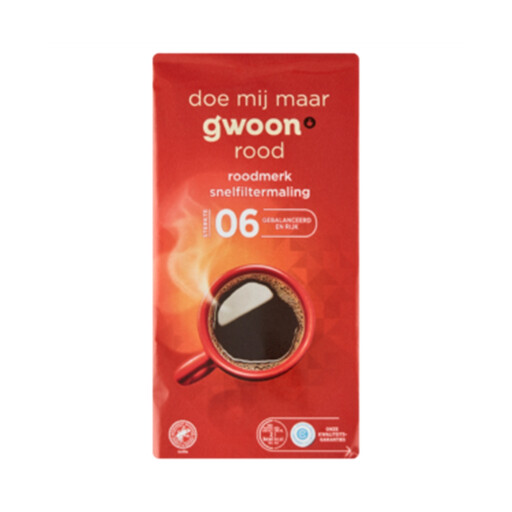
Why this fits the profile: A trusted bag of ground coffee for a filter machine or manual brewing. The product information mentions a blend of Arabica and Robusta beans.
The preparation method and quantity are clear: 500g of ground coffee for daily use, with no creamer or added sugar according to the product information.
500g content; suitable for filter machines and manual filter brewing; packaging with Rainforest Alliance mention.
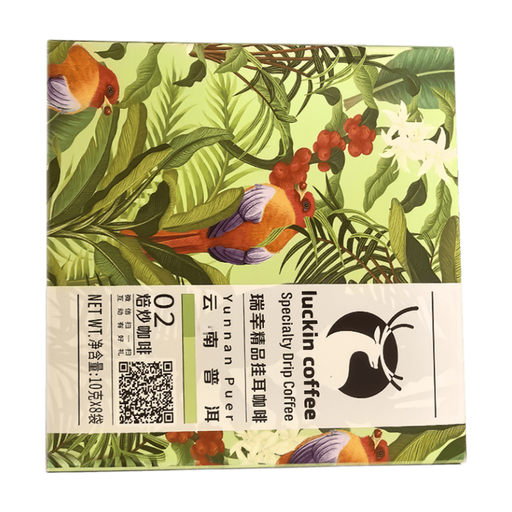
Why this fits the profile: For those who want to brew fresh cup by cup and care about origin. The product description mentions 100% Arabica beans from Pu'er, Yunnan, with chocolate and nutty flavour notes.
The portions are individually packed and the instructions recommend around 150 ml of hot water. This means you don’t have to open a whole bag of coffee for just one cup.
8 portions of 10g; 100% Arabica according to the product information; no coffee machine required.
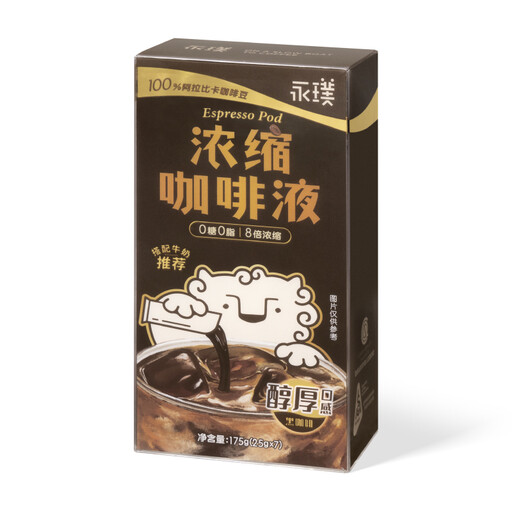
Why this fits the profile: For home workers, offices and fans of hot or cold coffee recipes. According to the usage instructions, the liquid portions can be mixed with water, milk or ice.
The pack contains 7 individual 25g portions. You dose per cup and don’t need to grind coffee beans or use filter paper.
175g total; according to the product information, 100% Arabica with no added sugar or fat; suitable for hot and cold recipes.
We’ve put together a full, up-to-date list of products that fully meet these strict selection criteria and comply with current European safety regulations.
For an office, instant coffee, drip coffee or coffee concentrate are practical choices. Individual portions reduce waste and make it easy for each person to choose a different strength or preparation method. For large groups, filter coffee is often more convenient because you can brew several cups at once.
That depends on the packaging and storage instructions. Store ground coffee and instant coffee tightly sealed, in a dry place away from direct sunlight. Individual sticks and drip bags remain protected until opened. Always check the best-before date on the packaging and use an opened product promptly.
You calculate the price per cup by dividing the product price by the number of portions. For filter coffee, you need to take into account the total weight and the amount used per carafe. With portion packs, the calculation is simpler: divide the price by the number of sachets. With coffee concentrate, don’t forget to check how many cups you get from one pack according to the recommended dilution.
