
Vandaag of morgen in huis

Kwaliteit gegarandeerd

Welkomstaanbiedingen ontgrendelen: GRATIS bezorging | Tot 80% korting | Gratis 30 dagen JoyPlus-proefperiode
Download de app
Buying the right coffee beans seems simple until you are faced with a shelf or online selection containing dozens of varieties. A dark roast does not automatically mean the coffee will taste stronger. A large pack is not always better value either if you use the beans too slowly and the aroma fades.
For espresso, cappuccino, latte, filter coffee and a bean-to-cup coffee machine, the blend, roast, packaging and brewing method are particularly important. Below, you’ll find practical advice on what to look for, along with examples of coffee beans suited to different needs.
An intensity rating or terms such as “forte” and “intenso” usually describe the flavour impression, roast and body. They do not indicate a fixed caffeine content. A dark roast can taste powerful and bitter, while a medium roast may reveal more fruity or floral notes.
If you are looking for strong coffee beans, it is therefore worth checking:
Coffee beans 1000 grams are convenient for a household, office or regular coffee drinker. For someone who only makes a few cups a week, coffee beans 500 grams may be more practical. A 250-gram pack is ideal for trying a flavour before committing to more.
Look for packaging that can be sealed securely and store opened beans somewhere cool and dry, away from direct sunlight. Product information generally recommends keeping the pack tightly closed and avoiding heat and moisture.
Marketing terms such as “barista”, “premium” or “authentic espresso” provide little technical information. Always check the ingredients and product specifications. If it says 100% Arabica coffee beans, the blend contains no Robusta. With Arabica Robusta coffee beans, you can generally expect a fuller profile and more support for crema, although the precise flavour also depends on the roast and grind.
Arabica coffee beans are often described as having refined, fruity or floral flavour notes. Robusta can provide a fuller mouthfeel and a distinctive espresso character. A blend of the two is popular for espresso, cappuccino and latte macchiato.
According to the product information, De'Longhi Selezione consists of 70% Arabica and 30% Robusta. The beans are medium roasted and described as having fruity, floral and subtly spicy notes. The product contains 250 grams and has a stated intensity of 4.
Medium roast coffee beans are often a good choice for anyone looking for balance and aroma. Dark roast coffee beans usually deliver a darker, more powerful flavour profile. That does not mean every dark roast tastes the same, so check the producer’s description.
For espresso, the roast and extraction work together to determine the result. A grind that is too fine can make the coffee bitter, while a grind that is too coarse produces a thin espresso. On a bean-to-cup machine, adjust the grind in small steps and do not change the dose and water volume at the same time.
Choose 250 grams if you like to switch between varieties or want to try a new bean. Coffee beans 500 grams are a practical mid-sized option for everyday use at home. Coffee beans 1000 grams are better suited to households with several coffee drinkers, offices or machines that make many cups each day.
Also check the seal, the best-before information on the packaging and the storage instructions. Beans will not taste exactly the same indefinitely once the pack has been opened.
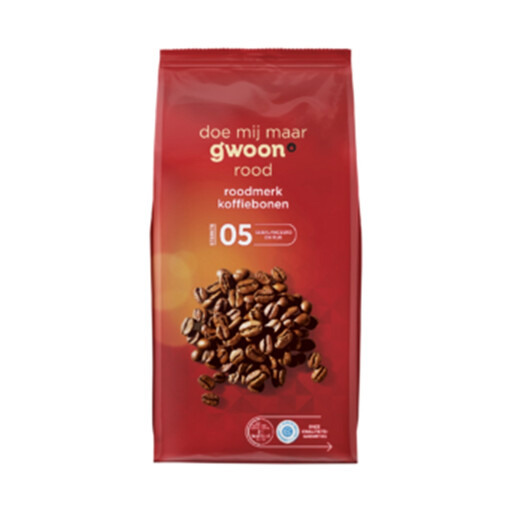
Why it suits this profile: The 500-gram pack is a manageable size for everyday use. According to the product information, the beans are medium roasted and suitable for espresso, filter and bean-to-cup systems.
The roast and quantity are clearly stated, so you do not have to rely solely on the front of the packaging.
100% coffee beans, medium roast, suitable for several brewing methods and resealable packaging according to the product description.
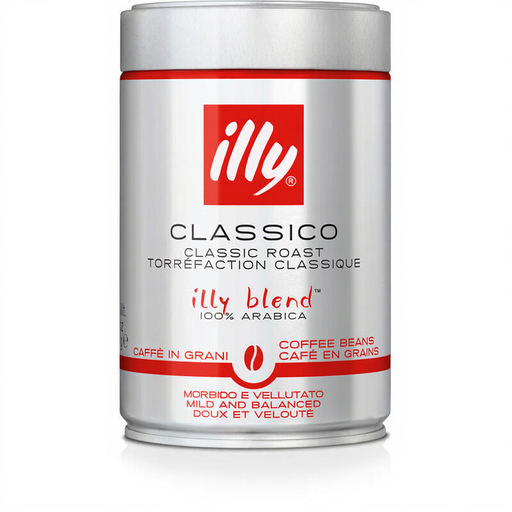
Why it suits this profile: According to the product information, this variety is made from 100% Arabica and is medium roasted. The 250-gram quantity allows you to grind fresh beans without building up a large stock.
The blend, roast and recommended storage conditions are clearly stated. This means you can base your choice on the product specifications rather than marketing language alone.
100% Arabica, medium roast, suitable for espresso, moka, filter and cold brew according to the product description.
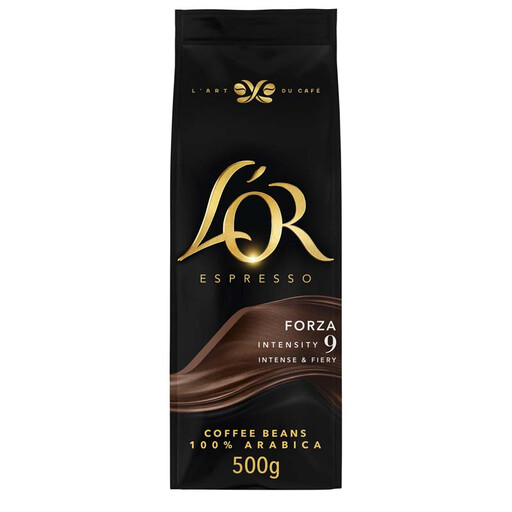
Why it suits this profile: According to the product information, this is a dark roast for espresso, with notes of oak, wine, spices and chocolate. The beans are described as suitable for fully automatic coffee machines.
The roast and intended use are clearly stated. This allows you to choose these beans specifically for a powerful espresso instead of opting for a random large pack.
Dark roast, Arabica-Robusta blend and a quantity of 500 grams according to the product information.
For coffee beans used in a bean-to-cup machine, a consistent grind and a setting suited to the bean are important. Start with the factory setting and adjust the grind gradually. Clean the brew group and bean hopper according to the machine’s instructions.
Coffee beans for an espresso machine can also be used with a separate coffee grinder. Grind the beans just before brewing. This gives you freshly ground coffee without needing to store a separate bag of ground coffee. Filter coffee and a French press require a coarser grind than espresso.
If you are looking for coffee beans that produce crema, this is often mentioned in product descriptions for espresso blends. However, the amount of crema also depends on freshness, grind, dose, water pressure and the machine. Treat “crema” as a product specification or brand description rather than a guaranteed result in every situation.
Store coffee beans in their original, tightly sealed packaging, in a dry and dark place. Some product information may recommend a fridge for opened packs, but the most important thing is to avoid moisture and temperature fluctuations.
Do not calculate the cost based only on the price per bag. Divide the price by the number of grams and take your dose per cup into account. A 1000-gram bag may be attractive for an office, while 250 or 500 grams may be more suitable for less frequent use. This helps prevent some of the coffee beans from staying open for too long.
We have put together a complete, up-to-date list of products that fully meet these strict selection criteria and the applicable European safety regulations.
Choose a bean with a roast and blend that suit your taste. Arabica Robusta coffee beans are often used for a full-bodied espresso. A medium roast can provide more fruity or floral notes, while a dark roast usually has a more powerful flavour profile.
The best-before date on the packaging remains the main guide. Once opened, air, light, heat and moisture all play a part. Seal the bag securely and do not buy a larger pack than you can use within a reasonable period.
That depends on the brand, pack size and how much you use. Coffee beans can offer good value when you use larger quantities and avoid waste. However, you will need a coffee grinder or a machine with a built-in grinder. You can also grind the beans just before brewing for freshly ground coffee.
