
Vandaag of morgen in huis

Kwaliteit gegarandeerd

Welkomstaanbiedingen ontgrendelen: GRATIS bezorging | Tot 80% korting | Gratis 30 dagen JoyPlus-proefperiode
Download de app
A litter tray that quickly starts to smell, spreads dusty granules or is difficult to clean can soon create extra work and unnecessary costs. Yet packaging terms such as “ultra-absorbent” or “virtually dust-free” do not always tell you enough. The difference often lies in the material, granule size, required depth and compatibility with your litter tray.
This guide helps you compare cat litter based on verifiable product information. That way, you can make a more informed choice between clumping cat litter, tofu cat litter, bentonite cat litter or a variant for an automatic self-cleaning litter tray.
Odour-absorbing cat litter can help reduce smells, but the result also depends on daily cleaning, ventilation and the number of cats. “Odour control” does not mean you can empty the tray less often. Some products, for example, use activated carbon, sodium bicarbonate or another odour-absorbing additive. Always check the ingredients and instructions for use.
A firm clump makes scooping easier, but fine granules may stick more readily to paws. A layer that is too thin can also cause litter to stick to the bottom. Many variants recommend a depth of 5 to 8 cm. Follow this guidance and remove urine clumps and faeces daily.
Not every type of cat litter works well in a mechanical cleaning system. An automatic litter tray may require a particular type of clump, granule size or fill level. Also check whether the manufacturer explicitly states that the litter is suitable for automatic litter trays. Do not flush used litter down the toilet unless the packaging expressly says that you can. Plant-based and biodegradable cat litter should not automatically be put down the drain either.
Bentonite cat litter is made from mineral clay and is known for forming clumps. The material is relatively heavy, while fine granules can result in more litter being tracked out of the tray. A combination of bentonite and plant-based ingredients aims to combine clumping with a lower weight.
Tofu cat litter and other plant-based cat litter are generally made from materials including soya, pea, cassava, maize or wheat fibres. These types are often lighter than mineral litter. However, check the exact ingredients and disposal instructions; “biodegradable” does not mean that the product is suitable for the sewer system.
Tapioca litter, such as Meowmagic Natural Tapioca, uses tapioca as its base. According to the product description, this litter is biodegradable and designed to control odours. The bag contains 2.5 kg, and the instructions recommend a layer of approximately 5 to 8 cm.
Pay attention to three practical points:
Product descriptions may promise strong clumping. Treat this as information provided by the brand, and also compare the granule structure, recommended fill level and maintenance instructions. A firm clump is particularly useful when you scoop daily and regularly top up the remaining litter.
“Low dust” is not a universal measurement. Instead, look at the specific description, such as a virtually dust-free composition or a low-dust formula. Also pay attention to the packaging when pouring the litter in: fine granules may feel comfortable for cats, but can sometimes be more easily carried outside the tray.
An unscented variant may be more practical for cats that avoid perfumed litter. A cat litter odour remover can be used as an additional measure, but it does not replace daily scooping and periodic deep cleaning.
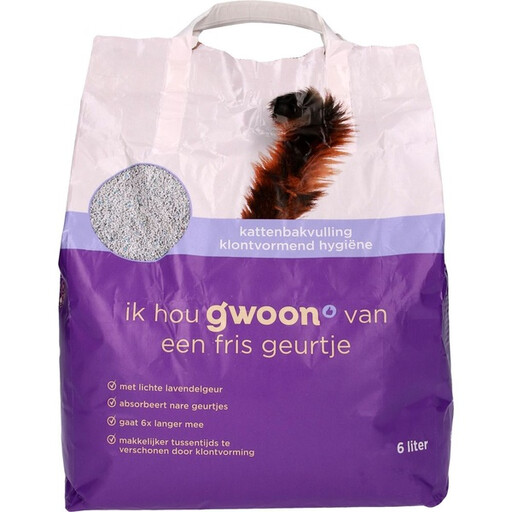
Why it suits this profile: A manageable 6-litre pack of clumping mineral litter is practical when you first want to try out which type your cat will accept.
The product description mentions clumping, odour control and low dust levels. When it arrives, still check the recommended fill depth and scoop daily.
6 litres; natural mineral clay; clumping formula according to the product information.
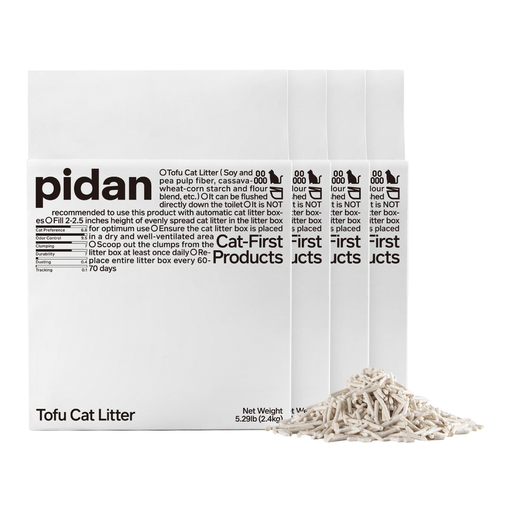
Why it suits this profile: The 9.6 kg multipack is suitable for households that want to keep a regular supply of plant-based cat litter in stock.
The description mentions a low-dust formula and use in automatic litter trays. Check beforehand that your model supports this clump structure.
4 bags of 2.4 kg; plant-based composition; clumping; suitable for automatic litter trays according to the product information.
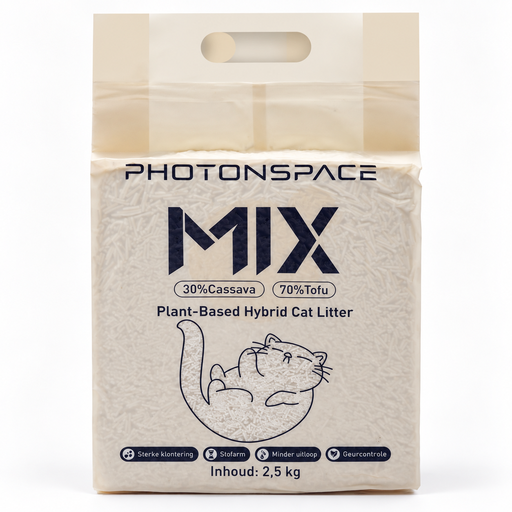
Why it suits this profile: According to the product information, its composition of 70% tofu and 30% cassava is designed for fast clumping, less sticking and use in traditional and compatible automatic litter trays.
The product information mentions low dust, less tracking and suitability for use in automatic litter trays. Only use it in a model that accepts this type of litter.
Plant-based; 2.5 kg per bag; clumping; biodegradable according to the description.
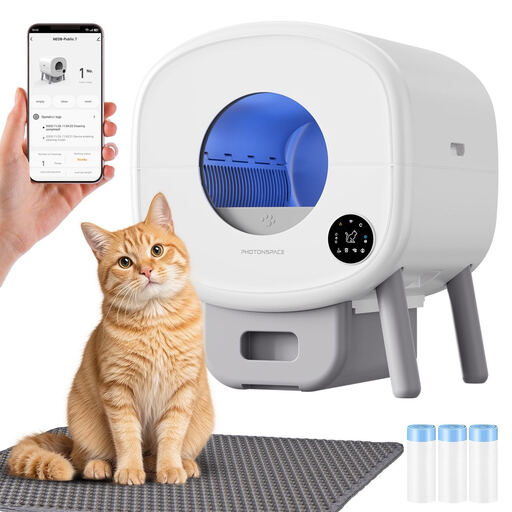
Why it suits this profile: This spacious tray has a capacity of 95 litres and a 15-litre waste bin. According to the product description, it supports clay, tofu and bentonite litter.
According to the product description, the built-in sensor only starts the cleaning cycle once the cat has left the tray. Position the unit securely and check the waste bin and mechanism regularly.
95-litre capacity; 15-litre waste bin; noise level of up to 35 dB according to the description; suitable for cats weighing from 1.5 to 10.5 kg.
We have put together a complete, up-to-date list of products that fully meet these strict selection criteria and the applicable European safety regulations.
If you want to buy cat litter, do not compare just the price per bag. Also consider the weight, weekly usage, required fill depth and the time needed for daily scooping. A larger pack is particularly practical if you have several cats and can store the litter somewhere dry.
This varies from model to model. A self-cleaning litter tray usually works with clumping litter that can be collected by the mechanism. Always check the manual and product page. According to the product description, the Photonspace XXL is offered as suitable for universal litter, including clay, tofu and bentonite. Other models may specifically require standard clumping cat litter.
This depends on the number of cats, their size, drinking habits, tray size and how often you scoop. As a guideline, Photonspace states that a 2.5 kg bag may last approximately one to two weeks for one cat. This is not a fixed usage period. Removing waste and topping up the litter daily has a significant impact on consumption.
Not automatically. Plant-based litter may be lighter and, according to the product description, weigh less per use, but the price per bag and clumping performance vary between products. Therefore, compare the price per kilogram, stated usage and the correct way to dispose of used litter. Always check the label and local regulations for the correct waste-disposal method.
