
Vandaag of morgen in huis

Kwaliteit gegarandeerd

Welkomstaanbiedingen ontgrendelen: GRATIS bezorging | Tot 80% korting | Gratis 30 dagen JoyPlus-proefperiode
Download de app
A body lotion might seem like a simple product, but the difference between formulas is huge. One lotion absorbs quickly, while another sits on the skin for longer. Some products contain fragrance, oils or plant extracts; others are fragrance-free and designed for dry or sensitive skin.
If you only focus on an appealing promise on the packaging, you could end up buying a product that doesn't suit your daily routine. With this practical guide, you can focus on what really matters: skin type, ingredients, texture, volume and how often you use it.
Claims like “48 hours” or “72 hours” sound clear, but they don't automatically tell you how pleasant the lotion feels on your skin. According to NIVEA's own research, certain formulas provide up to 72 hours of hydration; the product information mentions a clinical or instrumental test. That's no guarantee that every user can go that long without applying lotion.
So also look at the ingredients. Glycerin, oils and fatty substances can contribute to a comfortable skin feel, while silicones like dimethicone can make the texture smoother.
A fresh or warm scent can be pleasant, but fragrance isn't necessary to hydrate the skin. Check the ingredients list if you're looking for a fragrance-free body lotion. Also look out for fragrance allergens that may be listed separately on the label, such as limonene, linalool or geraniol.
Products with aloe vera, patchouli or vanilla can be interesting for their scent or formula, but choose them mainly if they suit your skin and preference. For sensitive skin, a short ingredients list without fragrance is often a practical starting point.
A 400 ml body lotion isn't automatically better value than a 200 ml or 250 ml pack. Compare the price per 100 ml, the number of bottles and how much you use daily. A multipack can be handy for a family, but less suitable if you want to try a formula first.
Also check whether you're buying a body lotion, body milk or body cream. The names aren't strictly standardised everywhere. Body milk is often a bit more liquid, while a body cream usually feels richer. So always look at the product description and texture.
For normal to dry skin, a fast-absorbing body lotion can be pleasant after showering or before getting dressed. For dry or very dry skin, richer formulas with glycerin, plant oils, shea butter, petrolatum or petroleum-based ingredients are worth comparing.
A hydrating body lotion for dry skin doesn't have to feel greasy. Products like NIVEA Express and Vaseline Aloe Soothe are described in their product information as fast-absorbing and non-greasy. Always check the label though, as formulations can change.
No single ingredient is suitable for everyone. If in doubt, first test a small amount on a limited area of skin and stop if irritation occurs. Use body lotion only externally and avoid contact with the eyes.
A 400 ml body lotion is practical for daily use and often suitable for several family members. A pump dispenser, like on NIVEA Express, can be handy when you want to apply it quickly after showering. Pay attention to the closure, how easy it is to dispense and how much space the bottle takes up.
Cosmetic products in the EU must provide information about, among other things, ingredients, the responsible manufacturer and the period after opening. Look on the packaging for the open-jar symbol, for example 12M, and check the batch and shelf-life information.
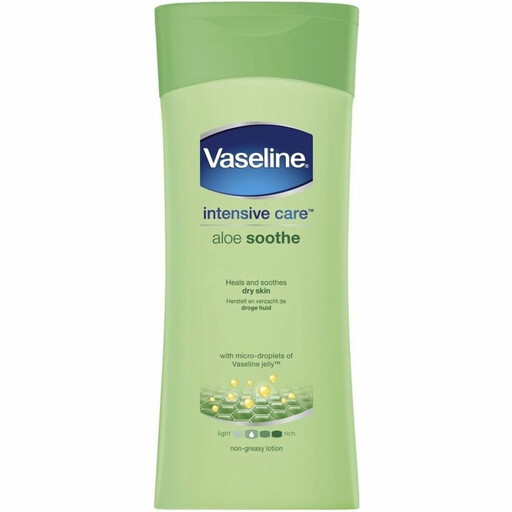
Why this fits the profile: The bottle contains 400 ml and the formula is described in the product description as light, non-greasy and fast-absorbing. That makes this an accessible choice for daily use on dry skin.
The product information clearly states both the volume and the texture. When buying, do check the current packaging and fragrance listing.
400 ml, aloe vera according to the product description and a fast-absorbing formula with a fresh scent.

Why this fits the profile: This body milk is aimed at those who value a nourishing texture and fast absorption. The product description mentions use in the morning and/or evening and a volume of 400 ml.
The description mentions a fast-absorbing formula, so the choice doesn't have to be based solely on a hydration duration claim.
400 ml, glycerin in the ingredients list and a body milk texture that, according to the product description, absorbs quickly.
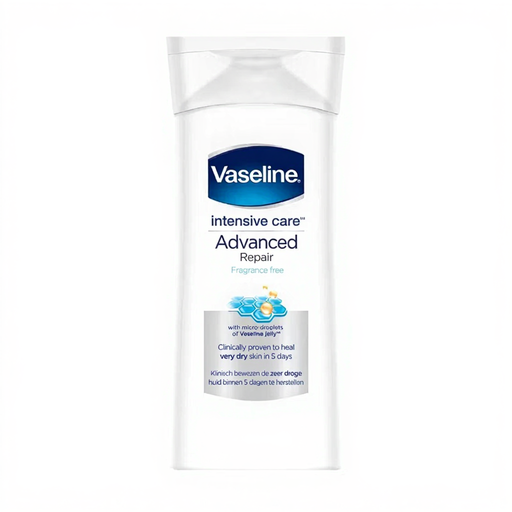
Why this fits the profile: According to the product details, this fragrance-free body lotion is designed for very dry skin. The 200 ml volume is practical when you're targeting dry areas or want to try a smaller pack first.
The formula is listed as fragrance-free. That means you don't have to accept a fragrance component when fragrance-free is an important selection criterion for you.
Fragrance-free according to the product details, 200 ml and with glycerin, petrolatum and dimethicone in the ingredients list.
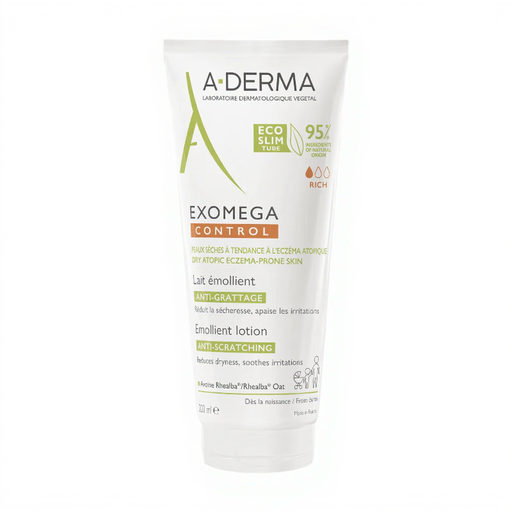
Why this fits the profile: The product information mentions a fragrance-free lotion for dry, sensitive skin and use on the face and body. The liquid, non-sticky texture is suitable for those who want to apply it quickly.
The description specifies fragrance-free, use by the whole family and a fast-absorbing texture. Check the age recommendation and current packaging before use.
Fragrance-free formula, 200 ml and Rhealba oat extract according to the product description.
We've put together a full, up-to-date list of products that fully meet these strict selection criteria and comply with current European safety regulations.
That depends on your skin and preference. Applying it daily after showering is a simple routine, because your skin is clean then. For dry skin, you can reapply when your skin feels tight. Always follow the usage instructions on the packaging.
Yes, body milk can be suitable for dry skin, depending on the formula. Compare the ingredients and texture rather than just the name. A body milk with glycerin, oils or hyaluronic acid can give a different skin feel than a light lotion.
Look for a fragrance-free body lotion with a clear ingredients list and avoid ingredients you've reacted to before. A product that says “dermatologically tested” isn't automatically suitable for everyone. For persistent skin problems, it's wise to seek advice from a doctor or pharmacist.
