
Vandaag of morgen in huis

Kwaliteit gegarandeerd

Welkomstaanbiedingen ontgrendelen: GRATIS bezorging | Tot 80% korting | Gratis 30 dagen JoyPlus-proefperiode
Download de app
Buying a body lotion sounds simple enough – until you have to choose between a light lotion, body milk, body cream or a self-tanning version. Marketing terms like “72-hour hydration”, “firming” and “natural glow” sound appealing, but they don’t always tell you enough about the formula or how easy it is to use.
The right choice really depends on your skin type, preferred texture, ingredients, fragrance and when you plan to use it. These checkpoints will help you avoid buying a product that feels too greasy, doesn’t moisturise enough, or isn’t suitable for sensitive skin.
A body lotion may promise long-lasting hydration on the product information, but that doesn’t automatically mean the texture will feel pleasant for everyone. Dry skin often benefits from ingredients like glycerin, hyaluronic acid, oils, shea butter or petrolatum. If you want to get dressed quickly, you’ll usually prefer a fast-absorbing body lotion with a lighter consistency.
A body milk is generally more liquid than a body cream. A body cream often contains richer, more emollient ingredients and can therefore be better suited to rough areas like knees, elbows and heels.
Terms like firming body lotion and radiant skin often refer to the appearance or how the skin feels. According to NIVEA’s own research, the Q10 formula improved elasticity from day seven in an instrumental test with 44 women. That’s a specific brand claim under certain test conditions, not a guarantee for every user.
Claims about a natural-looking complexion also vary from product to product. A self-tanning body lotion with dihydroxyacetone builds colour gradually, but the result depends on how evenly you apply it, your skin tone and how often you use it.
A product that seems suitable for dry skin can still contain perfume or fragrance allergens. Always check the ingredients list, especially if you’re looking for a body lotion for sensitive skin, fragrance-free body lotion or baby body lotion.
Look out for ingredients such as parfum, limonene, linalool and citronellol. These substances aren’t problematic for everyone, but they can be relevant if you have sensitive skin or a known allergy. If skin problems persist, it’s wise to consult a doctor or pharmacist.
A fast-absorbing body lotion is handy after a shower or when you want to get dressed straight away. A richer body cream may need more time to fully absorb, but it’s practical for dry patches.
Also consider the packaging. A 400 ml bottle is convenient for daily use all over the body. A 200 ml tube is easier to take with you or to use on targeted dry areas.
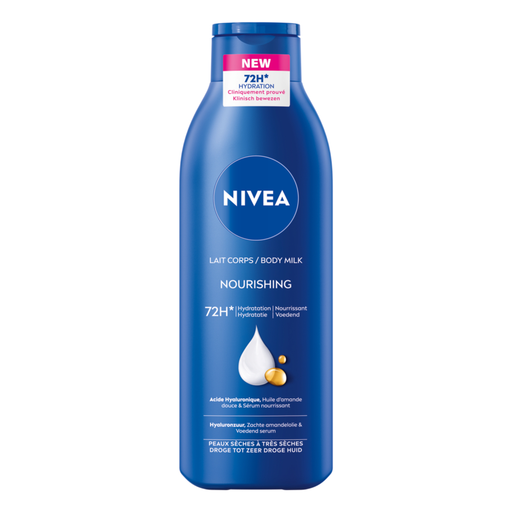
Why this fits the profile: An accessible body milk for anyone looking for a light, non-greasy formula for dry to very dry skin.
The product information mentions a fast-absorbing, non-greasy texture. Do check the listed fragrance ingredients if you’re sensitive to scent.
250 ml; with sodium hyaluronate, almond oil and nourishing serum; according to the manufacturer, up to 72 hours of hydration.

Why this fits the profile: Ideal for anyone who values a well-groomed routine, a larger bottle and a formula that, according to the product information, absorbs quickly.
The milky texture is designed for quick use after a shower, so you don’t have to wait as long before getting dressed.
400 ml; according to the product information, up to 48 hours of hydration; suitable for normal and dry skin.
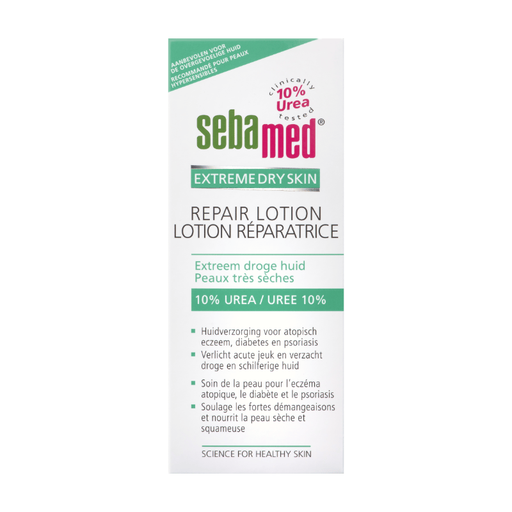
Why this fits the profile: Aimed at anyone looking for a body lotion for very dry skin who wants to care for specific dry areas.
The percentage of urea is clearly stated, so you’re not relying solely on a general claim like “intensively nourishing”.
10% urea; 200 ml; intended for dry and itchy areas of the body according to the product instructions.
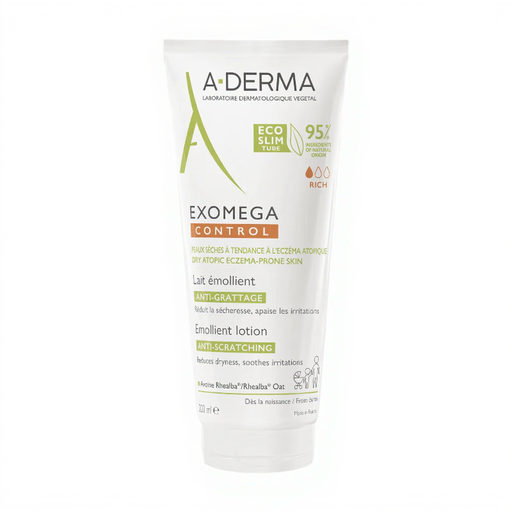
Why this fits the profile: A good option for families looking for a fragrance-free lotion for dry, sensitive skin and daily use.
The product description states a fragrance-free formula and a non-greasy texture. Check the label when you buy, as formulas can change.
200 ml; according to the product information, suitable from birth; with oat extract and fragrance-free.
We’ve put together a full, up-to-date list of products that fully meet these strict selection criteria and comply with current European safety regulations.
Apply body lotion to clean skin, ideally shortly after a shower. Pat your skin dry gently first, then smooth the lotion on evenly. With a self-tanning body lotion, it’s especially important not to apply too much to dry areas and knees. Wash your hands afterwards and wait until the formula has absorbed before getting dressed.
For a fragrance-free body lotion, check not just the front of the packaging but the full ingredients list too. And with a baby body lotion, always use it strictly according to the age and safety information on the label.
That depends on your skin and the product. Daily use after a shower is a practical routine for dry skin. For localised dryness, you can apply a richer body cream only to certain areas.
Body lotion is a general term for body care. Body milk is often thinner and absorbs more quickly. Body cream is usually richer and contains more emollient or occlusive ingredients. Look at the texture and ingredients, not just the product name.
No. A regular body lotion is intended for cosmetic care and does not replace treatment for eczema, allergies or persistent skin problems. For specific conditions, choose a product based on professional advice and follow the usage instructions on the packaging.
