
Vandaag of morgen in huis

Kwaliteit gegarandeerd

Welkomstaanbiedingen ontgrendelen: GRATIS bezorging | Tot 80% korting | Gratis 30 dagen JoyPlus-proefperiode
Download de app
A good body lotion should do more than just smell nice or absorb quickly. The formula needs to suit your skin type, your daily routine, and any areas that feel particularly dry. If you only go by eye-catching packaging or a promise like "72-hour hydration", you might end up with a product that's too heavy, too perfumed, or simply unsuitable for your skin.
This practical guide will help you focus on verifiable product information instead of marketing jargon. This way, you can compare a hydrating body lotion, body milk, and body cream in a way that makes sense for your daily use.
A fresh or warm scent can be appealing, but many products list perfume and fragrance allergens in their ingredients. This doesn't automatically make a scented lotion unsuitable, but if you're looking for a body lotion for sensitive skin, it's wise to be extra critical.
Look out for words like parfum, limonene, linalool, citronellol, and benzyl alcohol. If you react easily to fragrances, it's best to look for a fragrance-free body lotion and check the full INCI list on the packaging.
A fast-absorbing body lotion is convenient if you want to get dressed straight away. However, a very light emulsion might not be enough for shins, elbows, or heels that lose a lot of moisture. A body milk often sits somewhere between a lotion and a cream. A body cream is usually richer and can be more pleasant for very dry areas, but it may feel like it sits on the skin for longer.
So, don't just look for "non-greasy" claims; also check for ingredients like glycerine, oils, shea butter, petrolatum, dimethicone, or ceramides.
Brands may mention results from their own research or clinical assessments. According to NIVEA's own research, their Caring Body Milk hydrates the skin for up to 72 hours; according to Clarins' product information, their Body-Smoothing Moisture Milk can provide up to 48 hours of hydration. Such claims are not a guarantee for every skin type or situation.
How long it actually lasts depends on factors like showering, the season, the amount of lotion you use, and your skin's condition. Reapply the lotion whenever your skin feels tight, and always follow the directions on the label.
For normal or slightly dry skin, a thin lotion is often sufficient for daily use. For a body lotion for dry skin, you can look for a richer base with glycerine, oils, shea butter, or occlusive ingredients that help reduce moisture loss.
If you have very dry skin, a body lotion with urea could be a good option. However, be sure to check the percentage and the instructions for use. The Sebamed Extreme Dry Urea Repair Lotion states it contains 10% urea and is intended for dry and itchy areas of the body. The product information advises you to stop using it if irritation occurs.
A fragrance-free body lotion is a logical choice if you want to avoid fragrances. According to its product description, the MUJI Sensitive Skin Body Lotion 300 ml is free from fragrances, colourants, mineral oil, parabens, and alcohol. It also states that the product has undergone allergy testing; however, according to the packaging, individual reactions can still occur.
Always check the current packaging. Formulations can change, and a product that works well for one person might cause irritation for another.
Compare the volume with how often you apply it. For daily, all-over body use, 400 ml bottles are practical. A pump bottle can also be more convenient after a shower than a small tube.
Note the difference between body and face products. Not every lotion with "moisturizing" in its name is a body product. According to the product information, the Clinique Dramatically Different Moisturizing Lotion+ 125 ml and the Anua Heartleaf 70% Daily Lotion are intended for the face. Therefore, they shouldn't automatically be part of your selection for body care.

Why it fits this profile: The 400 ml volume is practical for daily use after showering. According to the product description, the lotion is light, non-greasy, and enriched with aloe vera.
The product information mentions fast absorption and a non-sticky feel, but also notes a fresh scent. Therefore, check the ingredients if you want to avoid fragrances.
400 ml; aloe vera according to the product description; fast-absorbing texture according to the product information.

Why it fits this profile: This body milk is aimed at dry and normal skin and, according to the product description, has a fast-absorbing formula for use in the morning or evening.
According to the product information, the texture is not heavy and absorbs quickly. However, the ingredients list does contain perfume, so it might not be the first choice for those looking to limit fragrances.
400 ml; body milk for the body; up to 48 hours of hydration and get dressed immediately after use, according to Clarins.
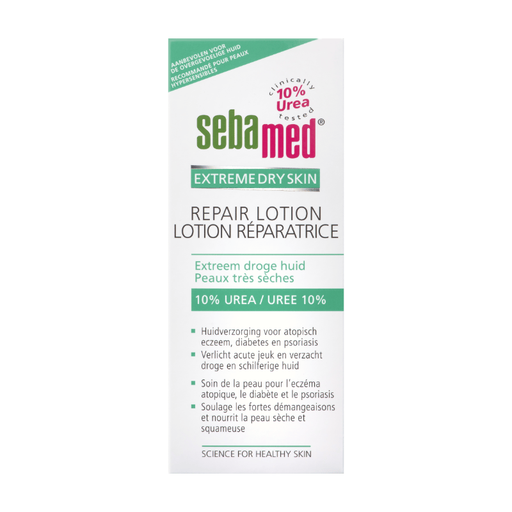
Why it fits this profile: The formula states it contains 10% urea and is designed to be applied as needed to dry and itchy areas of the body.
The urea percentage is clearly stated. The lotion also contains perfume, so read the INCI list and stop use if irritation occurs, as indicated in the safety information.
10% urea; 200 ml; targeted application on dry body areas according to the instructions for use.
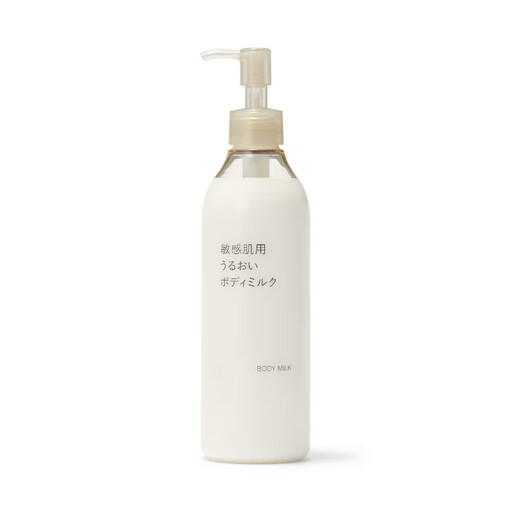
Why it fits this profile: According to the product description, this lotion was developed for sensitive skin, and the formula contains ceramide, amino acids, and three plant extracts as moisturising ingredients.
The product information states it is free from fragrances, colourants, mineral oil, parabens, and alcohol. Still, check the packaging and test it on a small patch of skin first.
300 ml; mild acidic formula according to the product description; fragrance-free according to the listed product specifications.
It's best to apply lotion after showering, when your skin is clean and still slightly damp. Start by applying a small amount and add more if needed. Pay extra attention to your shins, knees, elbows, and heels. A richer body cream might be more practical for these areas than a thin lotion.
If you have sensitive skin, a patch test is a good idea. Apply a small amount to a limited area of skin and wait to see how it reacts. Avoid contact with your eyes and follow the safety information on the packaging. If you experience persistent redness, swelling, or irritation, it's best to stop using the product and seek medical advice.
We've compiled a complete, up-to-date list of products that fully meet these strict selection criteria and comply with current European safety regulations.
That depends on your skin and the season. Once a day after showering is a practical starting point for many people. If you have dry skin, you may need to apply it more often, especially on your shins, hands, knees, and elbows.
Body lotion usually has a light to medium texture. Body milk is often thin and easy to spread over a large area of skin. Body cream is typically richer and suitable for areas that need more intensive care. The exact texture varies between formulas, so always check the ingredients and product description.
A body lotion with hyaluronic acid can be a great part of a hydrating routine. For example, NIVEA lists hyaluronic acid, almond oil, and a deep moisture serum in its Caring Body Milk. The effect and suitability will vary from person to person. Therefore, you should also consider the full formula, any fragrances, and how the product feels on your skin.
