
Vandaag of morgen in huis

Kwaliteit gegarandeerd

Welkomstaanbiedingen ontgrendelen: GRATIS bezorging | Tot 80% korting | Gratis 30 dagen JoyPlus-proefperiode
Download de app
Buying a new board game seems simple—until you discover that it does not suit the group, takes too long, or is only enjoyable with exactly four players. Marketing copy can also be misleading. A game may be described as “for the whole family”, even though younger children cannot yet follow the rules independently.
This buying guide helps you compare board games by age, number of players, playing time, game type and practical requirements. That way, you can find the right games for a family evening, holiday, party or gift.
A well-known brand or recognisable theme says little about the actual playing experience. A visually appealing game may still require extensive preparation, reading or a large playing surface. Always check the product details and the language of the instructions.
The recommended age is an important starting point. Many games contain small parts and are not intended for children below the specified age. Some children’s games also require assistance with reading, counting or understanding the rules.
Check the safety information as well. A CE marking indicates that, according to the manufacturer, the product has been assessed against relevant European requirements, but it does not replace supervision or careful use.
A stated playing time of 20 minutes may sound appealing, but the overall evening will take longer if you play several rounds or need to explain the rules first. With strategic board games, the first game may also take longer than subsequent rounds.
Look at the full player range. A game for 2–6 players is flexible for families, but that does not mean every group size delivers the same dynamic. For a large group of friends, party games for 8 or 10 players are often more practical. For two people, 2-player board games tend to be more direct and less dependent on negotiations between multiple participants.
Use the age recommendation as a practical minimum. For children aged around 6 and up, simple rules and short turns are often more important than an elaborate theme. Teenagers and adults may prefer strategic board games with longer playing times.
Also consider the language. An edition or rulebook in your preferred language makes the game more accessible for families with children. An English-language edition may be less convenient if players regularly need to look up the rules.
Measure the available table space in advance if you are considering a large game. Also consider the packaging size and weight. A compact card game is easy to take in the car or on holiday, while a game with lots of tiles or components requires dedicated storage space at home.
Batteries are not required for most board games, but some children’s games do use AA batteries. Check whether batteries are included. After playing, store cards, tokens and tiles in the original box and keep them dry.
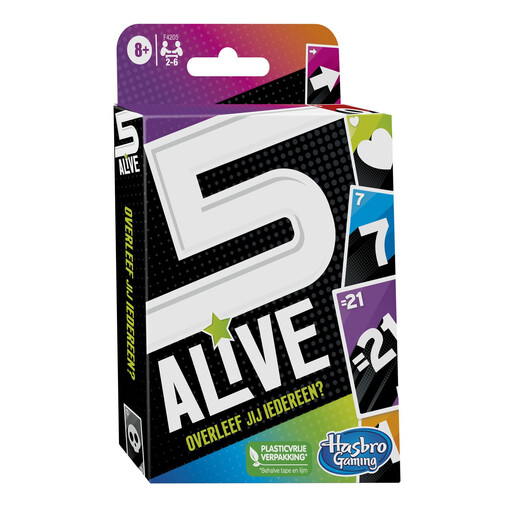
Why it suits this profile: This card game is designed for 2–6 players aged 8 and over, with a stated playing time of 20 minutes. The English-language edition is convenient for families who want to get started quickly.
The player range and playing time are clearly stated. No assembly is required, and the compact format is ideal for taking on the go.
2–6 players, approximately 20 minutes, English-language edition and no batteries required.
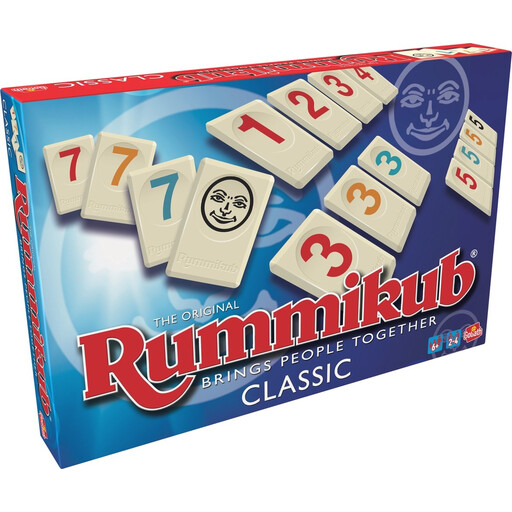
Why it suits this profile: With 106 tiles, four racks and English-language rules, this game provides plenty of replay value for regular game nights with 2–4 players.
The contents of the box are specified in detail. This tells you exactly how many tiles and player racks are included before you buy.
2–4 players, approximately 60 minutes, 106 plastic tiles and no batteries required.
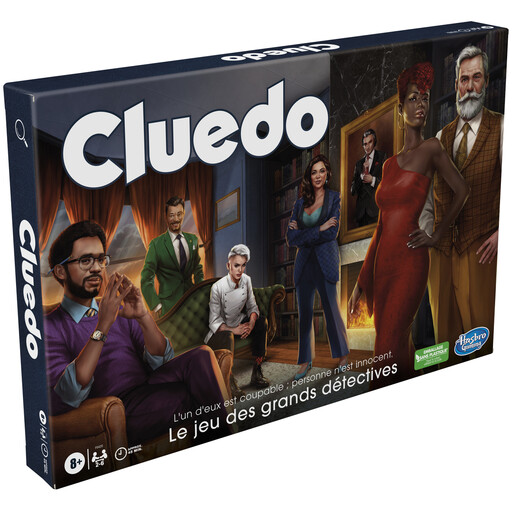
Why it suits this profile: Ideal for players aged 8 and over who enjoy piecing together clues. The game supports 2–6 players and includes characters, weapons, cards and detective sheets.
The game type and required components are clear from the outset. The note sheets help players keep track of clues during the game.
2–6 players, six characters, six possible weapons and detective cards.

Why it suits this profile: This music game is designed for 2–10 players aged 16 and over. Cards are scanned using a smartphone and the Hitster app, keeping preparation to a minimum.
The technical requirements are clearly stated: a smartphone, internet connection and Spotify account are required. This helps you avoid unexpected limitations.
2–10 players, 308 music cards, 37 tokens and competitive, cooperative and solo play options.
We have compiled a complete, up-to-date list of products that fully meet these strict selection criteria and the applicable European safety requirements.
Consider the recommended age, number of players and playing time. For families, games rated for ages 6 or 8 and up are often practical, provided the rules are easy to understand and small parts are kept out of reach of younger children. A 20-minute card game will usually fit more easily into a busy evening than a 90-minute game.
Lifespan depends primarily on the materials, usage and storage conditions. Cards and cardboard components stay in good condition for longer when stored in a dry place and handled without folding. Plastic tiles and tokens can generally be cleaned easily with a dry cloth. After playing, check that all components are present before putting the box away.
Not always. Some games are designed for a fixed number of players, such as dedicated 2-player games. Others offer variants for more participants. Always check the product specifications rather than relying solely on the title. For larger groups, games designed for at least 6 players or party games with simultaneous actions are often more suitable.
