
Vandaag of morgen in huis

Kwaliteit gegarandeerd

Welkomstaanbiedingen ontgrendelen: GRATIS bezorging | Tot 80% korting | Gratis 30 dagen JoyPlus-proefperiode
Download de app
Choosing a new shampoo might seem straightforward – until you have to decide between an anti-dandruff shampoo, a product for an oily scalp, a gentle daily shampoo, or a formula for damaged hair. Marketing copy can sometimes make it harder: a long list of ingredients doesn’t automatically mean a product is right for your scalp.
Instead, focus on the intended use, the ingredients, the volume, and the warnings on the label. That way, you can avoid buying a large bottle you barely use, or picking a deeply cleansing formula when your scalp actually feels dry or sensitive.
A 1000 ml bottle of shampoo might look good value per millilitre, but it’s only practical if the formula suits your daily routine. If you have a dry scalp, a strong cleansing shampoo can feel uncomfortable. With an oily scalp, a too-rich formula can actually weigh your hair down more quickly.
Words like “restorative”, “anti-hair loss” or “clinically proven” should always be read in the right context. According to a brand’s own research, a formula may help with a particular cosmetic goal, but that’s no guarantee for every user. For persistent hair loss, severe itching, or an irritated scalp, it’s wiser to seek advice from a doctor or pharmacist rather than simply switching shampoos.
A lot of lather doesn’t automatically mean better cleansing. Check the ingredients list for cleansers, fragrance ingredients, silicones, conditioners, and active ingredients. If you’re sensitive, it’s a good idea to try a product sparingly at first and stop immediately if irritation occurs.
First, choose based on your scalp and hair:
Ingredients are listed in descending order of quantity. A product with a long list of botanical extracts isn’t automatically gentler. Also pay attention to:
Always check the label before use, especially if you have allergies. Avoid contact with the eyes, keep shampoo out of reach of young children, and stop if irritation occurs.
A travel size shampoo of 75 or 95 ml is handy for holidays, a weekend away, or a gym bag. For a household with multiple users, a shampoo value pack can be more economical, but pay attention to the total volume and shelf life after opening. A 400 ml bottle is often a practical middle size. An 800 or 1000 ml pack is mainly suitable if you already know the formula and use it regularly.
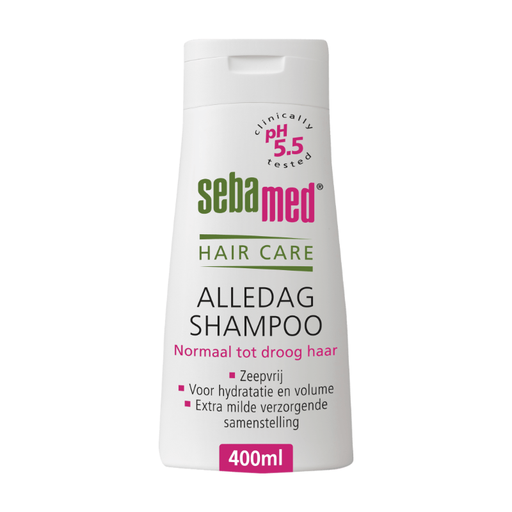
Why this fits the profile: A manageable volume for anyone looking for a daily shampoo without committing to a large value pack straight away. The product description mentions decyl glucoside and other cleansing ingredients.
The 400 ml volume reduces the risk of buying a large bottle before you know how your hair and scalp will react.
400 ml volume; intended for regular use; ingredients and warnings are clearly stated.
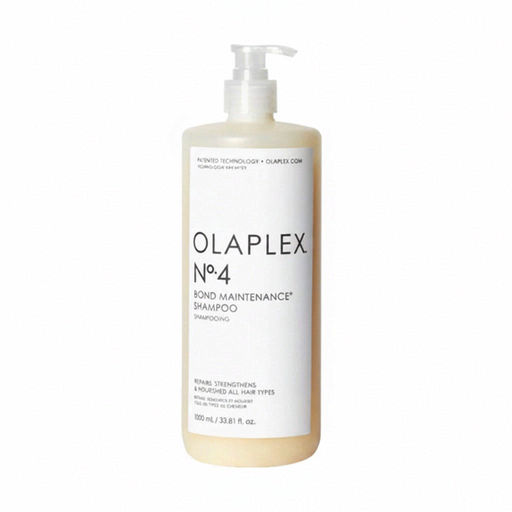
Why this fits the profile: Aimed at users who want a generous pack for coloured, treated, or damaged hair. According to the product description, the formula is sulphate-free and suitable for coloured hair.
The product information explicitly states the intended use and the sulphate-free composition, so you’re not relying on a general claim alone.
1000 ml volume; sulphate-free formula according to the product description; stated as suitable for coloured hair.
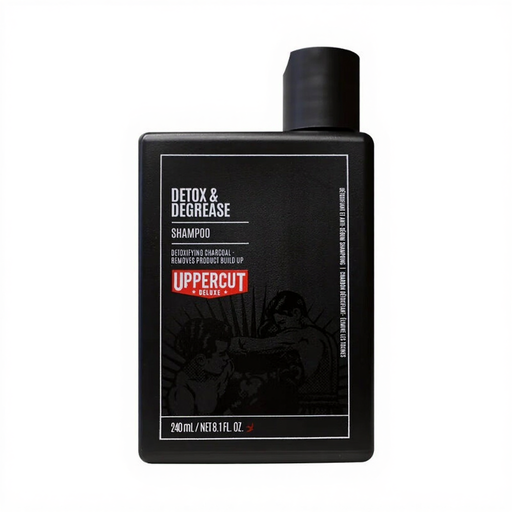
Why this fits the profile: A targeted choice for anyone who regularly uses pomade, wax, or gel and wants to remove product residue and excess oil.
The application is specifically described as a detox and degrease shampoo, so you won’t confuse it with a nourishing daily shampoo.
240 ml volume; intended for styling residue, dirt, and excess oil; suitable for different hair types according to the product description.
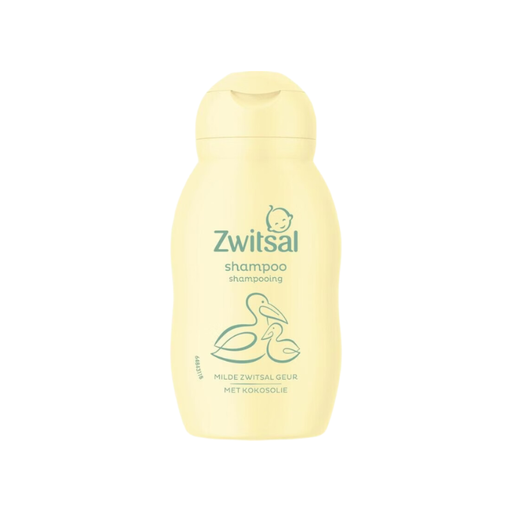
Why this fits the profile: The compact pack is designed for parents looking for a baby shampoo on the go, for example on holiday, for a sleepover, or in a changing bag.
The 75 ml volume means you don’t have to take a large bottle with you. Always check the ingredients and instructions for use, especially if you know of any allergies.
75 ml volume; glycerine and mild cleansing ingredients listed in the ingredients list; instructions for use on baby hair and scalp.
We’ve put together a full, up-to-date list of products that fully meet these strict selection criteria and comply with current European safety regulations.
That depends on your scalp, hair type, and use of styling products. An oily scalp may need more frequent washing than a dry scalp. Follow the instructions for use and use a small amount. A clarifying shampoo is generally intended for a deeper cleanse and doesn’t need to be used every time you wash.
Look for a formula with mild cleansers and check for fragrance, menthol, and fragrance allergens. A shampoo for a dry scalp may contain ingredients like glycerine or urea. If in doubt, try a small amount first and stop if you experience a burning sensation, itching, or swelling.
An anti-hair loss shampoo is a cosmetic care product. Brands may state, based on their own research or product information, that their formula helps with hair strength or hair loss, but this is not a medical treatment. For sudden or persistent hair loss, it’s best to consult a GP or other healthcare professional.
