
Vandaag of morgen in huis

Kwaliteit gegarandeerd

Welkomstaanbiedingen ontgrendelen: GRATIS bezorging | Tot 80% korting | Gratis 30 dagen JoyPlus-proefperiode
Download de app
Buying a new shampoo sounds simple enough – until you have to choose from dozens of different options. Dry hair, an oily scalp, frizzy lengths, damage or thinning hair don’t automatically call for the same formula. A high price, a large bottle or a well-known brand name doesn’t tell you much about whether it’s actually right for your hair.
So watch out for these three common pitfalls:
Start with the problem you actually want to tackle when you wash your hair. A shampoo mainly cleanses the scalp; conditioner and hair masks are often more important for the lengths and ends.
For dry, coarse or frizzy hair, choose a hydrating shampoo or nourishing shampoo instead. Ingredients like glycerine, oils, butters and certain conditioning polymers can make hair feel softer. A formula with avocado oil, shea butter or castor oil can suit dry lengths, but the effect and suitability vary depending on your hair type.
If your hair is damaged from colouring, heat or chemical treatments, look for a restorative shampoo containing ingredients like keratin, proteins or amino acids. These can make hair feel cosmetically smoother and easier to comb through. Claims like “repairs from within” or “reduces hair breakage” should be read as information from the brand, not as a guaranteed result.
A shampoo for oily hair or a formula for an oily scalp is designed to remove excess sebum and styling residue. A clarifying shampoo generally cleanses more deeply and can be useful when product build-up occurs. Don’t automatically use this type every time you wash: if your scalp feels tight or irritated, the formula may be too strong for your routine.
Extra caution is needed with a shampoo for hair loss. A product may be intended by the manufacturer for people who are worried about hair loss, but shampoo is not a medical treatment. Shiseido, for example, describes Adenovital as a formula that cleanses the scalp and is designed to be used alongside further care. If hair loss is persistent or sudden, it’s wiser to speak to a doctor rather than simply switching shampoos.
Don’t just compare the total price – also look at the volume:
A large bottle is only good value if the formula suits your hair and you’ll use it within the recommended period after opening.
Sulphates like sodium laureth sulphate cleanse effectively, but can feel less pleasant for some people with a dry or sensitive scalp. Sulphate-free doesn’t automatically mean better; look at the full composition and how often you wash.
Also pay attention to:
Ingredients lists can change, so always check the packaging of the product you receive.
A shampoo for all hair types is handy for a shared household, but it’s less targeted than a formula for oily, dry or damaged hair. Also check whether the product can be used daily and whether a conditioner is recommended. With a clarifying shampoo or an intensive scalp formula, less frequent use may make more sense.
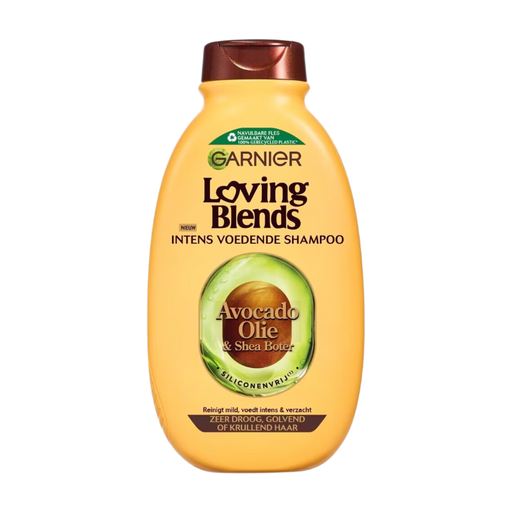
Why this suits the profile: The 300 ml size is manageable when you want to try a nourishing formula for dry hair without committing to a large bottle straight away.
The product information clearly states the volume and ingredients. Check the packaging if you want to avoid salicylic acid, perfume or fragrances.
300 ml; avocado oil and shea butter appear in the ingredients list; designed as the first step in your hair care routine.
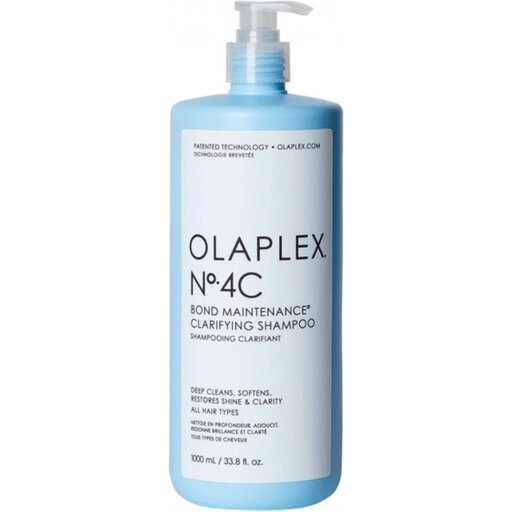
Why this suits the profile: A large bottle and a deep-cleansing formula suit users who regularly want to remove styling product residue or mineral deposits.
Its purpose is clearly defined: clarifying and removing product build-up. Don’t automatically use it as a daily shampoo if your scalp reacts with dryness.
1000 ml; designed for deep cleansing; the product information states it is suitable for all hair types and chemically treated hair.
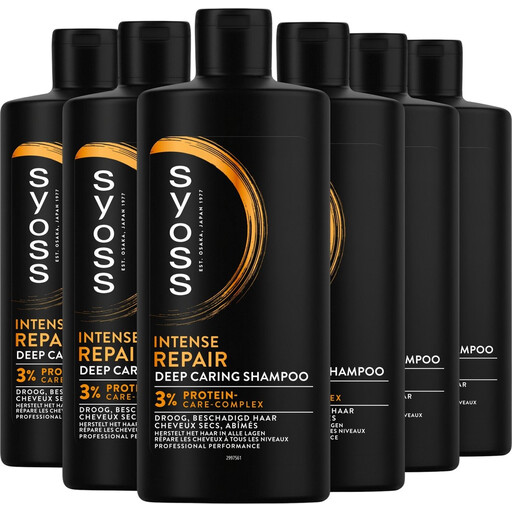
Why this suits the profile: The multipack of six bottles is ideal for families, shared use or a regular routine for dry hair.
The total volume is clear: 2640 ml split across six 440 ml bottles. According to Syoss, the claim about reduced hair breakage applies when used with the matching conditioner.
Six bottles; pH-neutral according to the product data; paraben-free; designed for dry hair.
We’ve put together a full, up-to-date list of products that meet these strict selection criteria and comply with current European safety regulations.
That depends on your scalp, hair type and daily activities. An oily scalp may need more frequent washing, while dry or curly hair is often washed less often. Massage the shampoo mainly into your scalp and let the foam run through the lengths.
Follow the symbol and the time period on the packaging, for example 6M or 12M. Keep the bottle closed, dry and out of direct sunlight. With a multipack, it’s wise not to open all the bottles at once.
Not always. Work out the price per 100 ml and check whether you’ll use the shampoo within the recommended period after opening. A large bottle is mainly practical for families, salons or people who already know the formula.
