
Vandaag of morgen in huis

Kwaliteit gegarandeerd

Welkomstaanbiedingen ontgrendelen: GRATIS bezorging | Tot 80% korting | Gratis 30 dagen JoyPlus-proefperiode
Download de app
Buying a shampoo seems simple, until you have to choose between hydrating, nourishing, sulphate-free, silicone-free, professional or colour-safe options. Marketing copy often promises shine, repair and stronger hair, but not every formula is right for your scalp or hair length.
The most common mistakes come from three pitfalls:
So start by looking at your hair type, the condition of your scalp and the ingredients list. Also check the current packaging: brands can change their formulas.
Dry, frizzy or damaged hair often benefits from a nourishing shampoo with conditioning ingredients such as oils, glycerine or proteins. A shampoo for damaged hair won't permanently fix split ends, but it can leave your hair feeling cleaner, softer and more manageable.
Be careful with heavy formulas if you have fine hair. A rich shampoo with oils or silicones can feel nice on coarse hair, but on thin hair it can quickly feel heavy.
With an oily scalp, it's important to massage the shampoo mainly into the scalp and roots. The lengths usually don't need vigorous scrubbing. A shampoo for oily hair can remove excess sebum and styling residue, but a strong degreasing formula can also leave a tight, uncomfortable feeling.
Wash your hair as needed and pay attention to signals such as itching, redness or irritation. Stop if you experience any problems and consult a doctor if necessary.
With long hair, the vulnerable parts are usually in the lengths and ends. A shampoo for long hair, such as a formula with amino acids or conditioning polymers, often focuses on smoothness and less friction when combing. Follow up with a conditioner on the lengths to reduce tangles.
A shampoo for coloured hair is designed to cleanse the hair gently and support your colour-care routine. The L’Oréal Professionnel Vitamino Color Shampoo is described as being for colour retention and shine; always check whether the current ingredients list matches your preferences.
Silver shampoo typically contains violet pigments that, according to the L’Oréal Professionnel product description, can visually neutralise unwanted yellow or warm tones in grey, white or light blonde hair. Don't automatically use this type of shampoo for every hair type: using it too often can alter the colour effect. Follow the leave-in time on the packaging.
A shampoo for hair loss is not a substitute for a medical assessment. Product descriptions may mention strengthening or a cared-for scalp, but that doesn't mean hair loss is treated for every user. If you experience sudden, severe or persistent hair loss, it's wise to consult your GP.
Sulphates such as sodium laureth sulphate or ammonium lauryl sulphate cleanse effectively, but can feel less comfortable for some people. A sulphate-free shampoo uses other cleansing agents, such as betaine or glutamate compounds. Sulphate-free doesn't automatically mean milder for everyone; fragrance and other ingredients can also play a role.
A silicone-free shampoo contains no silicones that can make hair feel smoother. That can suit a light haircare routine or people who prefer to avoid silicones. A formula with silicones isn't necessarily unsuitable: it can actually help reduce friction and tangles.
So look at the result on your hair, not just at one label on the front.
The products in this range vary from around 200 to 1,500 ml. A large salon-size bottle looks appealing per millilitre, but is less practical when several people have different hair types. A smaller bottle is handier to try out first.
Apply shampoo mainly to wet scalp, massage gently and rinse thoroughly. Conditioner usually belongs on the lengths, not the scalp. Avoid contact with the eyes and follow the safety information on the packaging.
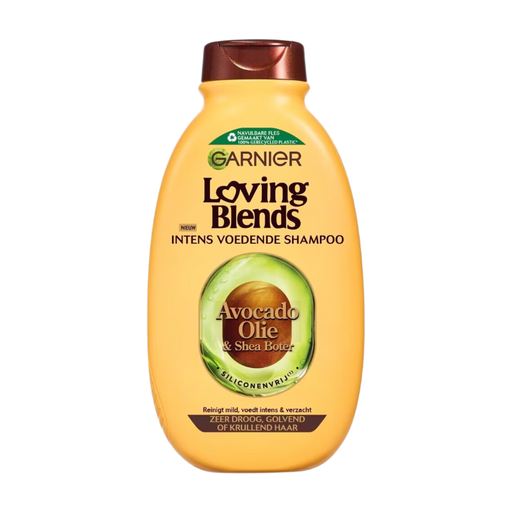
Why this suits the profile: The 300 ml bottle is a practical starting point if you're looking for a nourishing shampoo for dry or coarse hair without committing to a large pack.
The ingredients list includes avocado oil, shea butter and glycerine. Do check for the presence of sulphates and fragrance if you want to avoid them.
300 ml content; avocado oil and shea butter in the stated formula; designed as a first step in a matching routine.
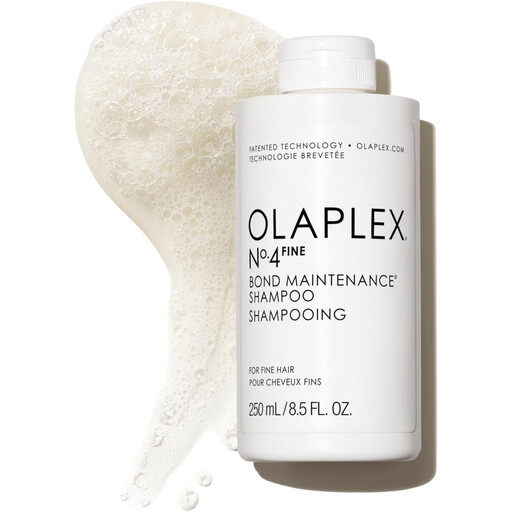
Why this suits the profile: The product description mentions fine hair, coloured or chemically treated hair and a vegan formula as areas of use.
The product information specifies that the shampoo cleanses gently and is suitable for coloured and chemically treated hair. Compare the current ingredients on the packaging.
250 ml content; according to the product description, vegan and dermatologically tested; designed for fine hair.
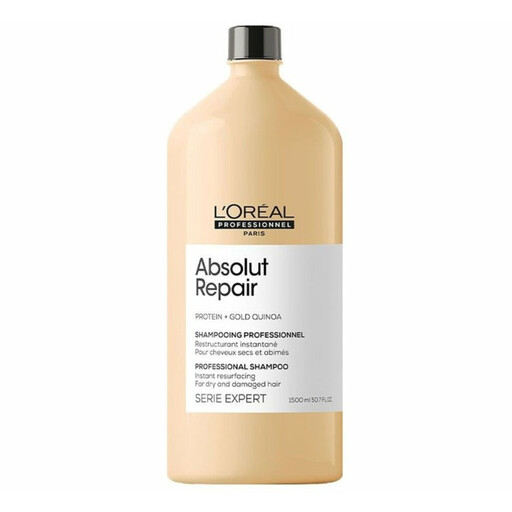
Why this suits the profile: The salon-size 1,500 ml bottle suits households or users who wash frequently and are looking for a shampoo for damaged hair.
The product information explicitly states that the formula is not sulphate-free and not silicone-free. This allows you to tailor your choice to your own preference rather than the product name.
1,500 ml content; golden quinoa and proteins according to the ingredients information; designed for damaged hair.
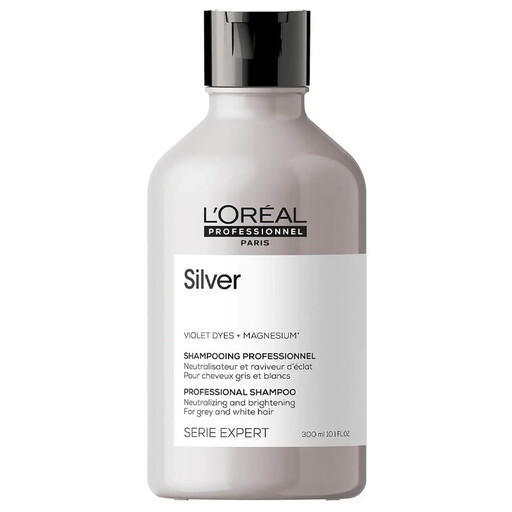
Why this suits the profile: According to the product description, this silver shampoo is aimed at grey, white and light blonde hair with unwanted warm tones.
The application is clearly defined. Therefore, don't use this shampoo as a general daily shampoo and stick to the recommended leave-in time.
300 ml content; violet pigments according to the product description; paraben-free according to the stated specifications.
We've put together a full, up-to-date list of products that fully meet these strict selection criteria and comply with current European safety regulations.
That depends on your scalp, hair length, exercise habits and styling product use. An oily scalp may need washing more often than dry or curly hair. Massage shampoo onto the scalp and use a small amount; more product doesn't automatically mean a better clean.
Check the expiry information and the symbol on the packaging. After opening, a period is often stated, for example 12 months. Store shampoo closed, out of direct sunlight and according to the manufacturer's instructions.
Not automatically. A sulphate-free shampoo can suit those who prefer a different type of cleansing, while silicones can provide smoothness. Compare the full ingredients list with your hair type and personal preferences.
