
Same-day & Next-day Delivery

Quality Guaranteed

Unlock Your Welcome Offers: FREE Delivery | Up to 80% OFF | Free 30-day JoyPlus trial
Download the APP
Buying a new shampoo sounds simple enough – until you’re faced with a shelf or an online search result packed with dozens of formulas. One product might be aimed at dry hair, shine, volume, repair or an oily scalp, but that label doesn’t always tell you what your hair actually needs.
So, pay attention to the ingredients list, the intended use and the size. That way, you won’t end up paying for a marketing promise that doesn’t match your daily hair care routine.
Words like “restorative”, “anti-hair loss” or “professional” sound convincing, but they don’t automatically tell you how a formula will work on your hair. According to a brand’s own research, a product might claim a certain percentage reduction in hair breakage. That claim only applies under the conditions the brand describes – for example, when used with a conditioner.
So, also look at the objective details:
A clarifying shampoo is designed to remove product residue, excess oil and other build-up more thoroughly. That doesn’t automatically make it suitable for daily use. If you have dry, coloured or treated hair, an intensive cleanse can feel less comfortable.
What’s more, a shampoo for oily hair can be too drying if your scalp doesn’t produce much sebum. So, choose the cleansing strength based on your scalp and washing frequency, not just on the scent or packaging.
A 1-litre bottle might seem like good value, but it’s really only practical if you wash your hair often, share it with several people, or run a salon. For occasional use or travel, shampoo 250 ml is more convenient. A 400 ml size often strikes a useful balance between having enough stock and ease of use.
With large bottles, also check the dosage and packaging. A pump can be more practical for daily use than a big bottle without a dispensing system.
Sodium Laureth Sulfate and similar cleansers are found in many regular shampoos. They help remove oil and dirt, but can feel less comfortable for some people with a dry or sensitive scalp. A sulphate-free shampoo uses different cleansing agents, such as glucosides, glutamates or isethionates.
“Sulphate-free” doesn’t automatically mean a product is suitable for everyone. Also look at fragrance, essential oils, silicones and preservatives if you know you’re sensitive to them. The ingredients list on the packaging is the final word, because formulas can be changed.
A 250 ml shampoo is good for trying out a new formula. With 400 to 440 ml, you have more stock for regular use. For families, hairdressers and heavy users, sizes of 1 litre or 1,500 ml are practical, but store the bottle according to the instructions and check the expiry date on the packaging.
Use shampoo on wet hair, massage mainly the scalp and rinse thoroughly. The lengths are usually cleansed enough by the foam that runs over them. A conditioner can then help with detangling and caring for the lengths.
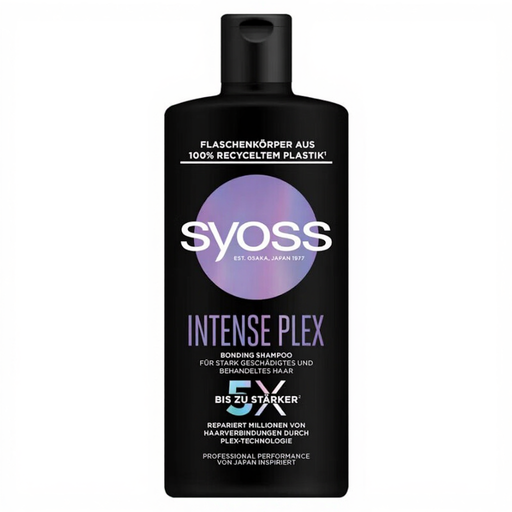
Why this fits the profile: A regular shampoo in a 440 ml bottle for anyone looking for an everyday formula without buying a large salon size straight away.
The product information clearly states that this is a regular shampoo for all hair types. The ingredients list contains sodium laureth sulfate, so this is not a sulphate-free formula.
440 ml content; hydrolysed keratin is listed in the ingredients; suitable for all hair types according to the product data.
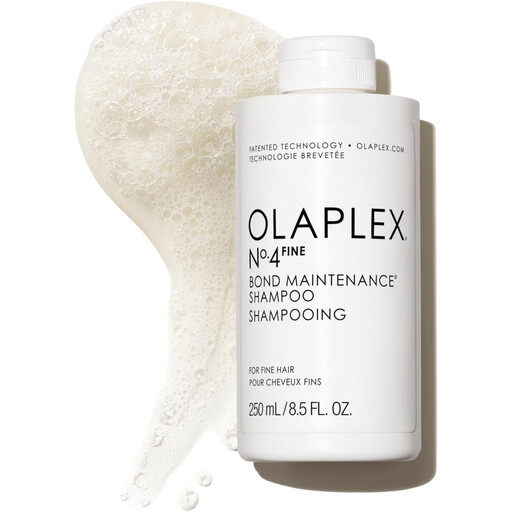
Why this fits the profile: Targeted at fine hair and users who want a smaller pack size combined with a formula for treated or coloured hair.
The product description explicitly mentions fine hair, colour-safe use and chemically treated hair. The claims about volume and softness come from the brand’s product information.
250 ml content; according to the product data, vegan and dermatologically tested; suitable for coloured and chemically treated hair.
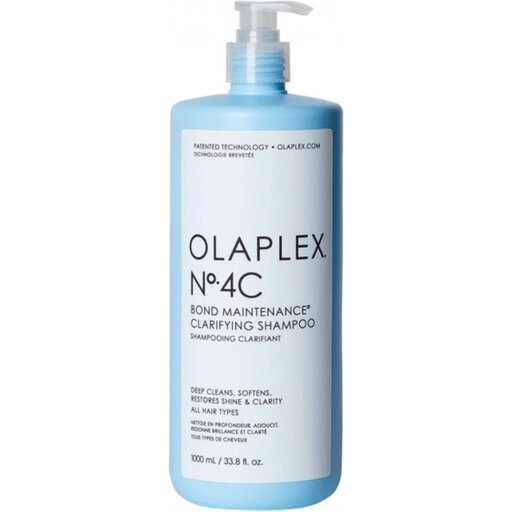
Why this fits the profile: A large size for households, hairdressers or users who regularly want to wash styling products and build-up out of their hair.
The product description mentions deep cleansing and the removal of product residue and minerals. Don’t automatically use a clarifying shampoo with every wash if your hair feels dry.
1,000 ml content; sulphate-free formula according to the product data; suitable for all hair types, including chemically treated hair.
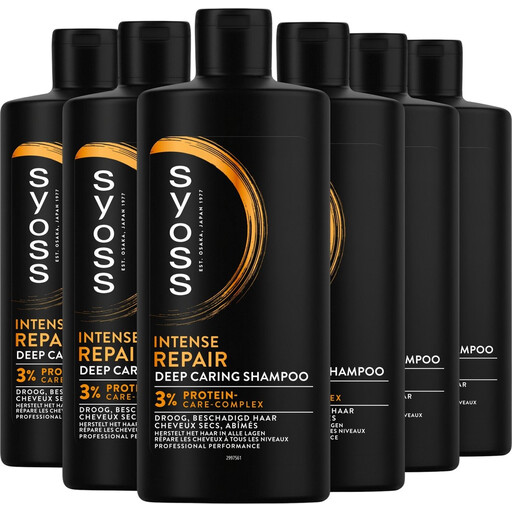
Why this fits the profile: A value pack for families or users who regularly use a nourishing and restorative shampoo for dry hair.
The product data lists dry hair as the intended use and states that the formula is not sulphate-free and not silicone-free. This allows you to tailor your choice to your own preferences.
Six bottles of 440 ml; according to Syoss, up to 90% less hair breakage when used with the conditioner; vegan according to the product description.
We’ve put together a full, up-to-date list of products that fully meet these strict selection criteria and comply with current European safety regulations.
That depends on your scalp, hair length, exercise habits and styling products. An oily scalp may need washing more often, while dry or curly hair is sometimes washed less frequently. Use a small amount and adjust the frequency based on how your hair and scalp feel.
Not automatically. A sulphate-free shampoo uses different cleansers, but the overall formula determines how the product feels. So, check the full ingredients list and also look out for fragrance, menthol and essential oils.
A 250 ml bottle can last several weeks with short hair and limited use. A 400 or 440 ml bottle is more practical for regular use. A shampoo 1 litre or larger is mainly sensible for families, hairdressers or heavy users. The actual length of use depends on the amount per wash and your hair length.
First, check what the product actually claims and who made that claim. A shampoo for hair loss is cosmetic hair care and not a substitute for medical advice. If you experience sudden or persistent hair loss, it’s wise to consult a GP or other healthcare professional.
