
Vandaag of morgen in huis

Kwaliteit gegarandeerd

Welkomstaanbiedingen ontgrendelen: GRATIS bezorging | Tot 80% korting | Gratis 30 dagen JoyPlus-proefperiode
Download de app
Buying a new shampoo might seem straightforward, but the sheer range on offer makes comparing them tricky. Whether you're looking for a repairing shampoo, a formula for dry hair, or one for a greasier scalp, you'll quickly come across terms like "bond repair", "professional" and "up to 100% stronger". Such words only mean something when you also look at the ingredients, how often you'll use it, and the packaging.
The following points will help you separate marketing claims from verifiable product specifications.
Brands often describe their shampoo with terms like "repairs", "strengthens" or "stimulates growth". This may be based on the brand's own research, a user panel, or a specific testing method. So don't take it as a guaranteed result for everyone.
Extra caution is needed with a shampoo for hair loss. According to the product description from some brands, ingredients such as caffeine, peptides or plant extracts are intended to care for the scalp and hair. That is not the same as a medical treatment. If hair loss or irritation persists, it's wiser to seek advice from a doctor or dermatologist.
A sulphate-free shampoo uses different cleansing ingredients than a formula containing, for example, sodium laureth sulphate or sodium lauryl sulphate. Some people prefer a gentler cleanse, while others want a richer lather and a fresher feeling.
Also pay attention to other ingredients. Fragrance, preservatives, silicones, oils and proteins can be relevant if your scalp or hair reacts sensitively to them. Always check the current ingredients list on the packaging; brands note that formulations can be changed.
Don't just compare the price of the bottle, but also the volume in millilitres. A 1,000 ml or 1,500 ml bottle can be practical for a family, a salon, or frequent use, but it takes up more space and is less convenient for travel. A smaller pack is a good way to try out a formula first.
The shampoo mainly comes into contact with your scalp. The lengths usually get enough cleansing just from rinsing. If you have a greasier scalp, look for a formula designed for excess sebum or product build-up. A clarifying shampoo can be suitable for this, but don't automatically use a strong cleansing formula with every wash.
For dry or damaged hair, nourishing ingredients such as glycerine, oils, keratin, proteins or panthenol are often listed in the product information. That doesn't make a shampoo a repair treatment, but it can help give a softer, smoother feel.
If you're looking for a shampoo for damaged hair, you can look out for:
For a shampoo for shiny hair, it's wise not to just look at the word "shine". A smoother hair surface, fewer tangles, and a suitable conditioner can all affect visible shine.
A shampoo is often the first step in a routine. For dry hair, a conditioner or mask can be more important for the lengths than using an extra-large amount of shampoo. Apply the shampoo mainly to your scalp, massage gently, and rinse thoroughly. Always follow the usage instructions and safety information for each product.
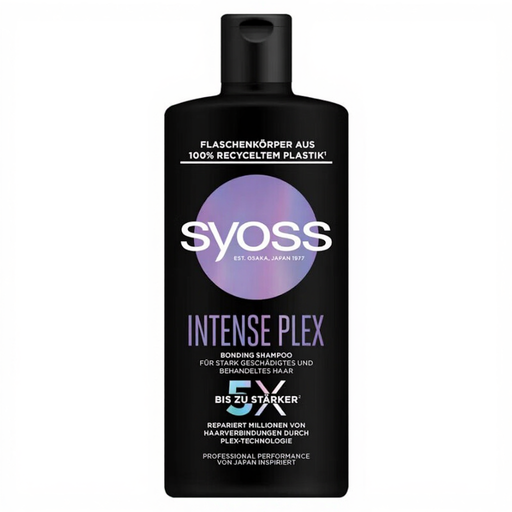
Why this fits the profile: A standard shampoo for all hair types in a 440 ml pack. A practical choice if you're looking for an everyday formula without a specific hair concern.
The product information doesn't mention specific hair problems. So you're not paying for a benefit you may not need.
440 ml volume; suitable for all hair types according to the product details; contains hydrolysed keratin.
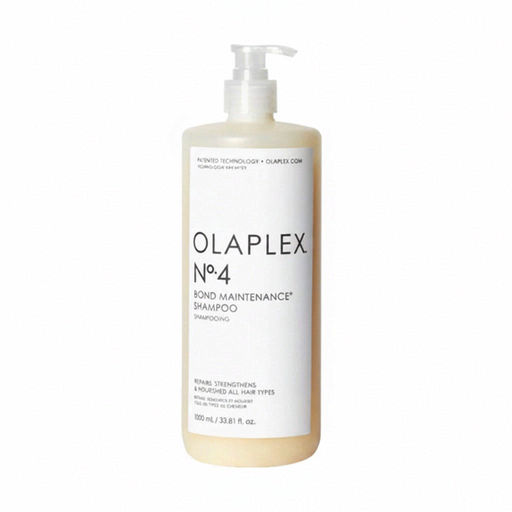
Why this fits the profile: Ideal for anyone looking for a professional shampoo for coloured, treated or fragile hair, and who wants a large pack size.
The product details mention a sulphate-free formula and colour-safe use. Check the current packaging if these points are decisive for you.
1,000 ml volume; sulphate-free according to the product description; designed for various hair types and coloured hair.
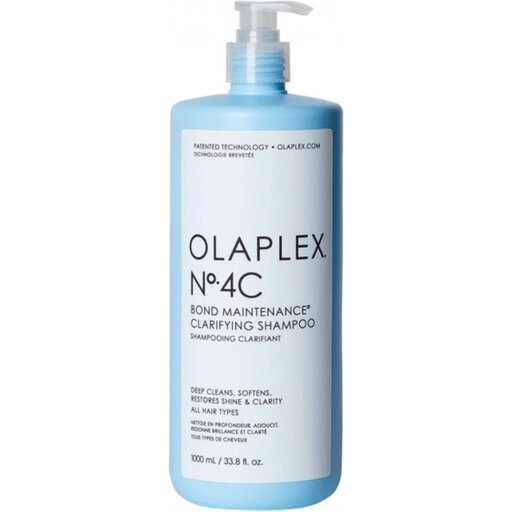
Why this fits the profile: Suits users who regularly want to wash out styling products, oil or other build-up from their hair.
It's clearly positioned as a clarifying shampoo. So use it purposefully and not automatically as a daily shampoo if your hair feels dry quickly.
1,000 ml volume; designed for deep cleansing; sulphate- and paraben-free according to the product description.
We've put together a full, up-to-date list of products that fully meet these strict selection criteria and comply with current European safety regulations.
Look for a shampoo for dry hair with nourishing ingredients such as glycerine, oils, panthenol, keratin or proteins. Also use conditioner on the lengths. A repairing shampoo can make hair feel smoother, but split ends won't be permanently glued back together.
That depends on your hair, scalp and styling routine. Use a clarifying shampoo when there is product build-up or a heavy feeling, and follow the instructions on the packaging. For dry, coloured or sensitive hair, washing too often can feel uncomfortable.
Check the expiry date and the symbol for the period after opening, for example "12M". Store the bottle closed and avoid prolonged heat or direct sunlight. If the smell, colour or texture clearly changes, stop using the product.
