
Vandaag of morgen in huis

Kwaliteit gegarandeerd

Welkomstaanbiedingen ontgrendelen: GRATIS bezorging | Tot 80% korting | Gratis 30 dagen JoyPlus-proefperiode
Download de app
Choosing a multivitamin might seem straightforward: you pick a pot with lots of vitamins and take a tablet every day. In reality, products vary widely in composition, dosage, target audience and ease of use. A high dosage isn’t automatically right for you, and a long ingredients list tells you little if you don’t know how much you’re actually getting.
As a Joybuy Product Recommendation Officer, I filter product information by verifiable points. Here’s how to compare a daily multivitamin in a level-headed way, whether you’re looking for multivitamins for men, multivitamins for women, vitamin gummies or a formula for children.
Some supplements list dozens of vitamins, minerals, plant extracts and amino acids. That sounds comprehensive, but always check the amount per daily dose. A product may contain many ingredients, yet some minerals may only be present in limited quantities.
Also pay attention to the recommended dosage. A pot of 180 tablets might last 60 days if you need three tablets a day. So don’t just look at the number of pieces, but also at the cost per day.
A high dosage can be unnecessary for some users. What’s more, several supplements may contain the same nutrients – for example, a multivitamin combined with vitamin C with D3, zinc or a menopause supplement.
Check your total daily intake and don’t exceed the recommended dosage on the label. If you’re taking medication, are pregnant, breastfeeding or have a medical condition, it’s wise to speak to a doctor or pharmacist.
A multivitamin for men, a formula for women, a multivitamin 50+ and pregnancy vitamins are not interchangeable. They can differ in iron, folic acid, vitamin D, calcium and vitamin K, among others.
For children, age limits are especially important. Gummies and chewable multivitamins may be appealing, but they must be kept out of reach of young children. A sweet taste is no reason to give more than the recommended amount.
For each nutrient, check the amount and the percentage RI, the European reference intake. Pay particular attention to vitamin A, D, B6, B12, folic acid, iron, iodine, calcium, magnesium and zinc.
For pregnant women, a specialised product is often more sensible than a general daily multivitamin. Look at the form and amount of vitamin A and folic acid, and follow the advice of your midwife, GP or pharmacist.
Compare products based on the actual daily dosage:
Also check whether a supplement needs to be taken with a meal and whether the product must be used within a certain period after opening.
Tablets, capsules, gummies, effervescent tablets and chewable tablets each have practical pros and cons. Effervescent tablets are handy if you’d rather not swallow a pill. Gummies are easy to take, but often contain sweeteners. If you have an allergy, always check the current packaging, even if the product information says it contains none of the 14 main EU allergens.
Also look out for claims such as vegan, vegetarian, gluten-free or lactose-free. These properties apply only to the specific product and can vary between variants.
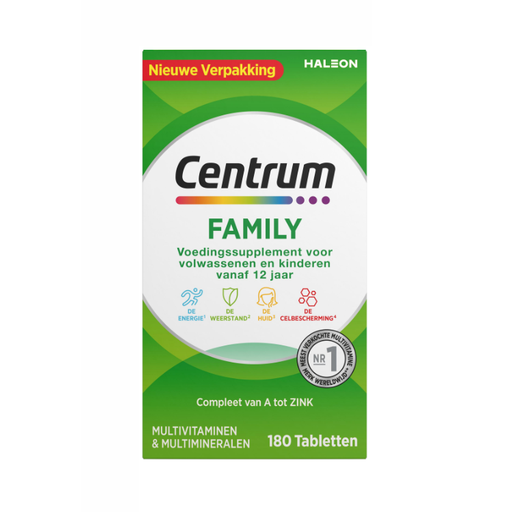
Why this fits the profile: A straightforward tablet for adults and children aged 12 and over, with 180 pieces in one pack and a recommended use of one tablet per day.
The nutritional information lists the amounts per tablet, so you don’t have to calculate with an unclear serving size.
180 tablets, one tablet per day and, according to the product information, gluten-free and lactose-free.
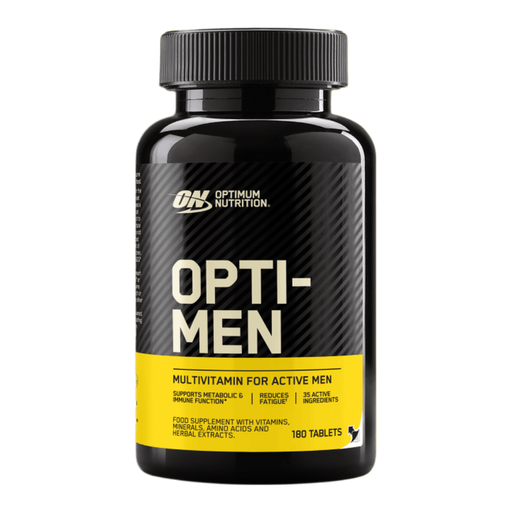
Why this fits the profile: Designed for adult men with an active lifestyle who want a formula with vitamins, minerals, amino acids and plant extracts.
The daily dosage is clearly stated as three tablets. This allows you to assess the contents and duration of use more realistically.
180 capsules and more than 30 listed active ingredients, including B vitamins, minerals and an amino acid blend.
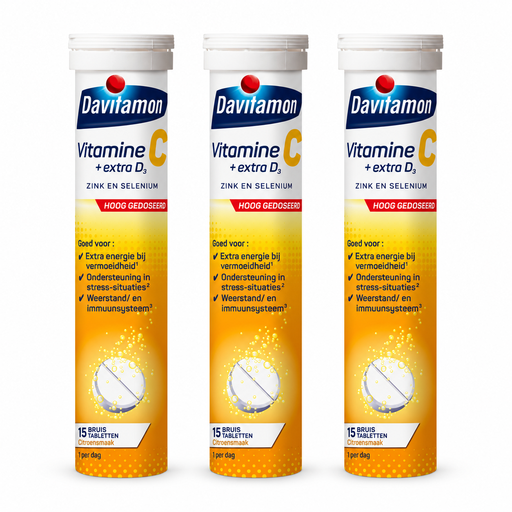
Why this fits the profile: Suitable for adults who want to combine vitamin C with D3, zinc and selenium in an effervescent tablet.
The composition is compact and the recommended dosage is one effervescent tablet per day. The high amount of vitamin C is stated separately.
600 mg vitamin C per daily dose, plus vitamin D3, zinc and selenium; according to the product information, sugar-free and without lactose.
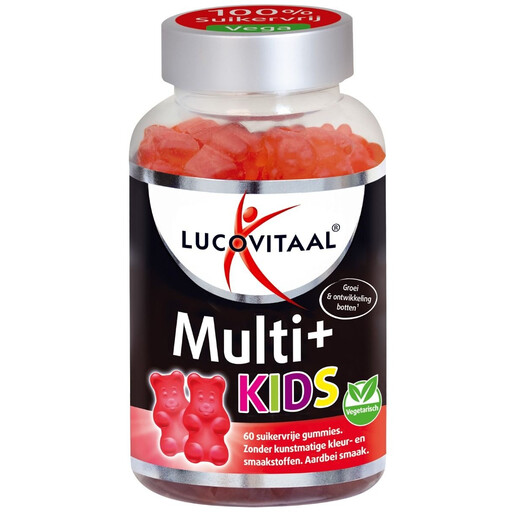
Why this fits the profile: A gummy for children aged 5 and over who struggle with tablets and enjoy a strawberry flavour.
The age limit from 5 years and the dosage of one gummy per day are clearly described. Taking more may have a laxative effect.
60 gummies, natural strawberry flavour and vitamin C, D3, B12, E, K and biotin according to the product information.
We’ve put together a full, up-to-date list of products that fully meet these strict selection criteria and comply with current European safety regulations.
A multivitamin is intended as a supplement and does not replace a varied diet or a healthy lifestyle. Your needs vary depending on your age, eating habits and personal circumstances. So first check whether you need a general formula or a product for men, women, over-50s, children or the period around pregnancy.
The duration of use depends on the composition, recommended dosage and your personal situation. Always follow the label and storage instructions. Don’t simply combine several supplements containing the same vitamins and minerals. For long-term use or if you’re on medication, it’s wise to consult a healthcare professional.
They can be, but only when the age limit and dosage are appropriate for the child. Check sweeteners, allergens, iron and iodine on the label. Store gummies and chewable tablets sealed and out of reach of children: their shape and flavour can resemble sweets.
