
Vandaag of morgen in huis

Kwaliteit gegarandeerd

Welkomstaanbiedingen ontgrendelen: GRATIS bezorging | Tot 80% korting | Gratis 30 dagen JoyPlus-proefperiode
Download de app
A mop might seem like a simple household item, but the differences in attachment, water absorption and maintenance can make or break your cleaning experience. Choose the wrong one, and you could end up with streaks on tiles, too much water on laminate, or a mop head that comes loose mid-clean.
For British households, these three pitfalls are particularly relevant:
A microfibre mop is made of fine fibres that can pick up dust, grease and moisture. According to the product description of the 50 × 60 cm microfibre mop, the material can absorb up to seven times its own weight in water. Treat this as a product specification rather than a guarantee of cleaning results: the outcome also depends on your floor type, the amount of dirt and your technique.
For daily maintenance of tiles, vinyl, laminate and sealed wood, a flat mop with washable microfibre is often the most practical choice. A soft texture helps to minimise the risk of scratches. Do not use fabric softener on microfibre; according to the product information, this can reduce the performance and lifespan of the fibres.
A mop that comes loose while you are cleaning wastes time and spreads dirt back onto the floor. Velcro or hook-and-loop fastening generally holds a cloth in place better than a loose, tucked-in cloth. Also check the dimensions. A pad measuring 49 × 12 cm, for example, will not automatically fit a 32 cm frame.
A larger mop surface can be handy for open-plan living rooms or commercial spaces. A more compact mop manoeuvres more easily around toilets, kitchen units and chairs. Also consider the height of the frame if you need to clean under sofas or beds.
A standard mop is light, quiet and relatively affordable. A mop with a bucket that has separate compartments for clean and dirty water reduces contact with dirty water and makes wringing out easier.
An electric mop or a vacuum and mop in one combines dry dirt removal with wet cleaning. When looking at such appliances, consider:
A robot vacuum with a mopping function is primarily designed for regular maintenance. Check whether the appliance recognises carpet, which no-go zones you can set, and how often the mop pads need to be washed or replaced. The robot does not always replace a manual mop for dried-on stains or edges.
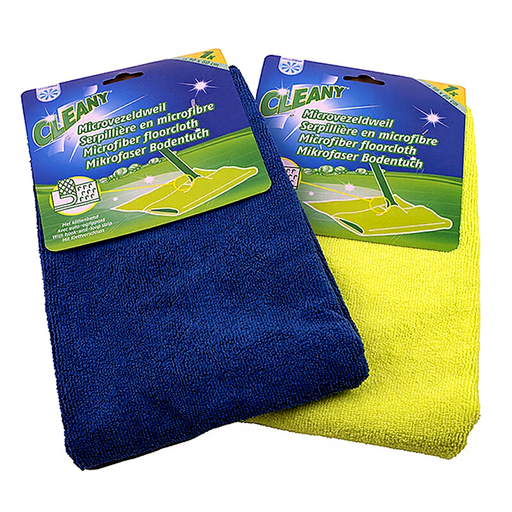
Why it fits this profile: This set includes three microfibre mops measuring 50 × 60 cm. That is handy for households that want a spare while one cloth is in the wash.
The hook-and-loop fastening is designed to keep the mop in place. The cloth is washable at 60 °C; according to the description, do not use fabric softener.
Set of three, microfibre material and suitable for smooth surfaces such as tiles and wooden floors according to the product description.

Why it fits this profile: This is a cordless floor cleaner for users who want to combine vacuuming and wet cleaning in one appliance.
The product information mentions three modes, separate water capacities and an automatic cleaning cycle. However, check whether 25 minutes of combined use suits your living space.
AquaSpin brush, 450 ml clean water tank, 420 ml dirty water tank and a HEPA filter according to the product data.
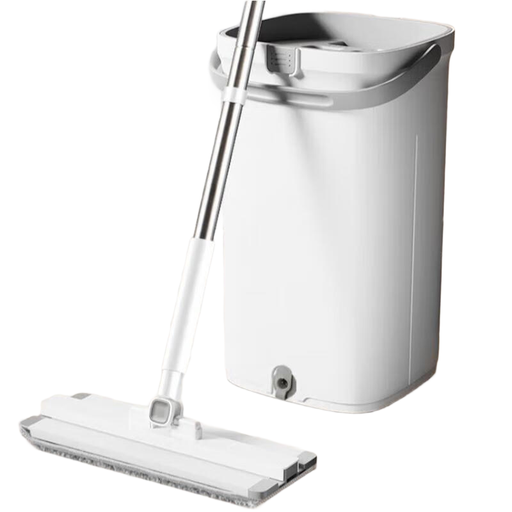
Why it fits this profile: A practical choice for families, pet owners and commercial users who regularly mop larger areas.
The bucket has separate zones for washing and wringing. This allows you to control the moisture level more effectively, which is important for floors that should not get too wet.
32 cm wide microfibre head, hands-free wringing function and separation between clean and dirty water according to the product description.

Why it fits this profile: The robot is designed for scheduled maintenance of hard floors and can be set up room by room via an app.
The product information mentions carpet recognition, no-go zones and dual rotating mops. Remove cables and loose objects before starting a cleaning cycle.
LDS laser navigation, app control, an automatic emptying station with 3 litre capacity and a stated battery life of up to 200 minutes.
We have put together a full, up-to-date list of products that fully meet these strict selection criteria and comply with current European safety regulations.
Wash reusable mop pads according to the label and let them dry completely. Replace a pad when it frays, absorbs poorly or continues to spread dirt. For an electric appliance, normal maintenance also includes emptying the dirty water tank, cleaning filters and checking brushes.
That depends on usage, wash cycle and wear. A microfibre pad that keeps its shape and still absorbs well can last longer than a pad that frays or becomes stiff. Some product descriptions mention hundreds of wash cycles, but treat this as a product specification from the supplier rather than a fixed lifespan.
A standard floor mop has no battery, charging station or filters, so it is generally cheaper to use. An electric mop can save time by combining vacuuming and mopping. Therefore, compare not only the purchase price, but also replacement brushes, filters, mop pads and electricity consumption.
Choose a soft microfibre mop that can be wrung out well. A flat mop or a mop with a bucket that has moisture control is practical. Avoid leaving surfaces wet for long periods and always check the maintenance instructions from your laminate manufacturer.
