
Vandaag of morgen in huis

Kwaliteit gegarandeerd

Welkomstaanbiedingen ontgrendelen: GRATIS bezorging | Tot 80% korting | Gratis 30 dagen JoyPlus-proefperiode
Download de app
A mop might seem simple, but the wrong model can quickly become frustrating. A mop that’s too wet leaves streaks, a weak Velcro fastening lets the cloth come loose, and an electric floor cleaner can require more maintenance than you’d expect. For households, families, pet owners and professional cleaners, the choice isn’t just about price.
As a Joybuy Product Recommendation Officer, I filter product information based on practical points: material, surface type, maintenance and verifiable specifications. That way, you can see which mop suits tiles, wood, laminate, vinyl or a busy home.
Wooden floors and some types of laminate are sensitive to prolonged moisture. A mop with a bucket where you can’t wring the mop head properly makes it difficult to control the dampness. For tiles, a bit more water is usually fine, but even there, a wet floor can cause streaks or slipping.
So look for a wringing system, an absorbent microfibre cloth or a water absorption setting on an electric mop.
Terms like “for all floors” don’t tell you much when it isn’t explained whether the product is suitable for untreated wood, carpet or natural stone. A steam mop, for example, can be unsuitable for surfaces that are sensitive to heat or moisture. The product information for the LUBLUELU JJ-SC-053A explicitly states that it should not be used on untreated wood and other delicate surfaces.
Always check:
A cheap floor mop might be tempting, but a non-washable head or a difficult-to-clean reservoir increases the cost of use. With a spray mop, you may have to pay for refill liquid; with a robot mop, you need to factor in filters, rollers, cleaning solution and replacement parts.
A reusable mop that can be washed at 60 °C can be more practical for daily use. When washing microfibre, don’t use fabric softener: according to the product information, this can reduce the performance and lifespan of the fibres.
Microfibre is popular because the fine fibres can pick up dust, grease and dirt. Pay attention to the dimensions of the cloth. A mop measuring 50 × 60 cm or 50 × 70 cm has a large contact surface, but can be trickier to manoeuvre in small bathrooms.
A microfibre mop is particularly suitable for smooth surfaces such as:
A foam rubber squeegee is especially useful for pulling water towards a drain, for example in the bathroom. It works differently from a mop that absorbs dirt.
A cloth with Velcro must be securely attached, even when you apply pressure to dried-on dirt. A 360° swivel head helps with skirting boards, chair legs and the space under furniture. A flat head is useful for low cupboards and sofas.
Also check the handle. A telescopic handle of around 85 to 130 cm is suitable for different heights. With a separate microfibre floor cleaner, you also need to check whether the handle is included; the 50 cm coconut fibre dust mop, for example, is supplied without a handle.
A manual mop is light, quiet and ready to use straight away. A mop with a bucket is handy when you’re cleaning several rooms in a row. A spray mop saves space, but usually has a smaller reservoir.
An electric mop or wet-dry vacuum combines vacuuming and mopping. Pay attention to battery life, charging time, tank capacity, weight and maintenance. According to the product data, the Philips XW7110/01 has a maximum runtime of 25 minutes, a clean water tank of 0.67 litres and a charging time of around 4 hours. That can be suitable for targeted cleaning, but less convenient for a large home without recharging in between.
A robot mop is particularly interesting if you want to set a fixed cleaning schedule. Do check whether the robot can handle your floor type, thresholds and carpets.
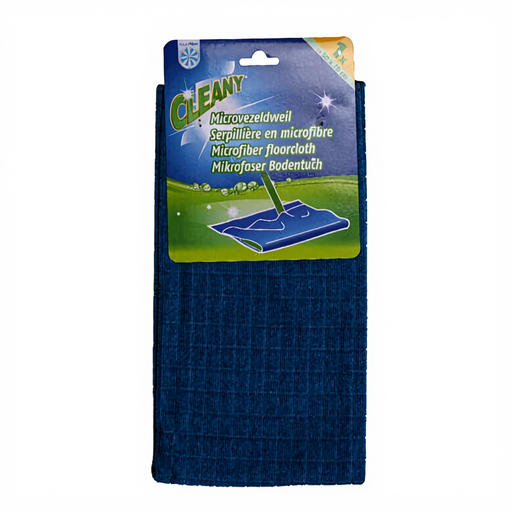
Why this fits the profile: A simple microfibre mop for anyone who wants to clean smooth floors without complicated operation.
According to the product description, the cloth is washable and suitable for smooth surfaces. The Velcro fastening is designed to reduce the risk of it coming loose during use.
Size of 50 × 70 cm, microfibre material and washable at 60 °C according to the product information.
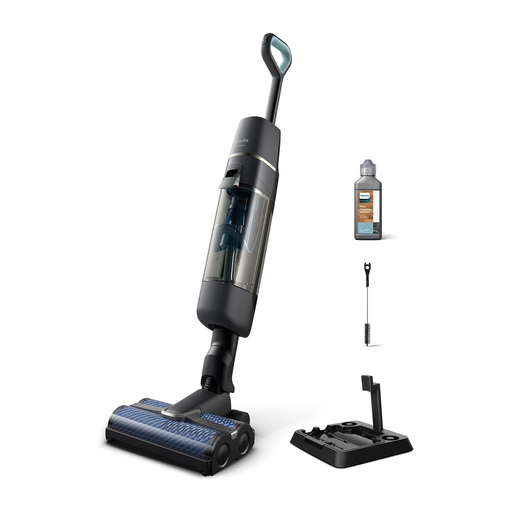
Why this fits the profile: For households that want to combine vacuuming and mopping in one motion.
The dirty water tank and automatic brush cleaning make the maintenance steps clear. The stated runtime prevents false expectations about large areas.
Cordless system, three cleaning modes, 0.67 litre clean water tank and automatic brush cleaning according to the product data.
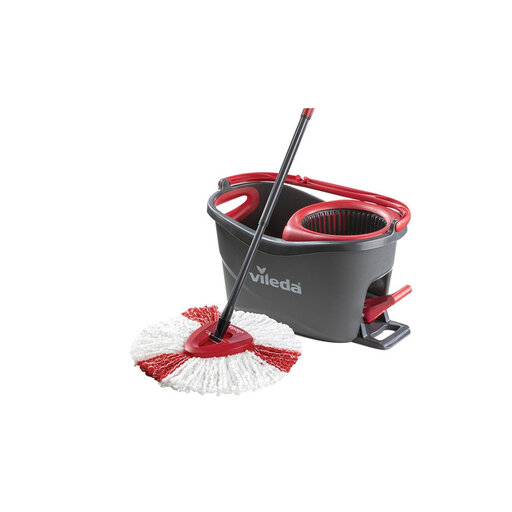
Why this fits the profile: A mop with bucket for families, pet owners and users who clean multiple rooms in a row.
The pedal-operated spinner gives you more control over the amount of water. According to the product description, the microfibre head is washable and reusable.
Telescopic handle, rotating triangular mop head and bucket with pedal according to the product description.
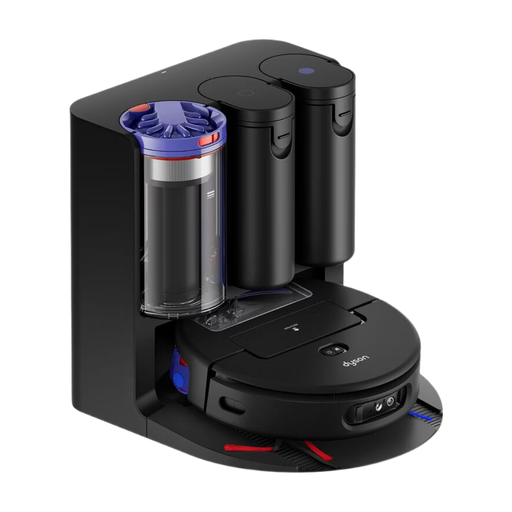
Why this fits the profile: For users who value scheduled cleaning and automatic features, for example with pets or a busy household.
The product information mentions automatic roller cleaning, drying and water management. Do check beforehand whether your floor is water-resistant and whether the maintenance routines suit you.
According to the product data, it features app control, a maximum runtime of 200 minutes and an automatic dock with dust and water functions.
We’ve put together a full, up-to-date list of products that fully meet these strict selection criteria and comply with current European safety regulations.
Rinse a mop after every use and let the cloth or mop head dry completely. Washable microfibre pads can be washed at 60 °C according to their label; do not use fabric softener. With an electric floor cleaner, the clean and dirty water tanks must be emptied and rinsed after use. Check filters, rollers and charging contacts according to the manual.
A steam mop and electric mop should not be left unattended while switched on or charging. Keep hot steam away from children, pets and electrical components. All products come with a statutory warranty of at least two years in accordance with applicable EU consumer rules; additional rights may depend on national legislation.
Choose a slightly damp microfibre mop and wring it out well. Only use an electric mop or steam mop if the manufacturer allows it for your specific type of wooden floor. Untreated or non-water-resistant wood requires extra caution.
That depends on the material, how often it’s washed and how intensively it’s used. Replace a cloth when it permanently smells, frays, absorbs poorly or spreads dirt. For robot mops, the product information for some replacement pads mentions a period of around two to three months, but always check the model and frequency of use.
A manual mop with bucket usually has lower purchase and maintenance costs. An electric floor cleaner can save time by combining vacuuming and mopping, but requires electricity, maintenance and sometimes cleaning solution. So don’t just compare the purchase price, but also parts, consumables and the size of the area to be cleaned.
