
Vandaag of morgen in huis

Kwaliteit gegarandeerd

Welkomstaanbiedingen ontgrendelen: GRATIS bezorging | Tot 80% korting | Gratis 30 dagen JoyPlus-proefperiode
Download de app
Choosing a moisturiser might seem straightforward, but the options vary enormously. A lightweight face gel serves a different purpose to a rich body cream. Terms like "natural", "intensive" and "soothing" don't always tell you how a product actually feels on the skin or which skin type it's designed for.
That's why savvy shoppers look beyond the promises on the front. The texture, ingredients, size and intended use matter just as much. Below, you'll discover which pitfalls to avoid and which popular choices suit different needs.
A body cream is often richer and comes in a larger tub. That can feel lovely on dry arms, legs or hands, but a heavy formula may feel too greasy on your face. Always check the intended use: face, body, hands or multiple areas.
A body lotion usually has a lighter, easier-to-spread texture. A nourishing cream, on the other hand, often contains more oils, butters or waxy ingredients. For dry skin, that can be wonderfully comforting, while oily or combination skin tends to prefer a gel-cream.
A natural cream or vegan skincare product can align well with your personal preferences, but natural fragrances and essential oils can be less agreeable for some people. Look at the full ingredients list and pay attention to perfume, essential oils and known allergens.
For sensitive skin, a simple formula is often more practical than a product packed with fragrance components. Always test a new product on a small area of skin first, and stop using it if you experience redness, itching or a burning sensation.
Hyaluronic acid, aloe vera, shea butter and vitamin E often feature prominently on packaging. However, a single ingredient doesn't determine the overall performance or how it feels on your skin. Also consider the complete formulation, the texture and how you'll be using the product.
A brand claim is not independent proof. If you attribute a particular effect to a product, look at the official product information and be cautious with your wording. According to a brand's product description, an ingredient may, for example, help retain moisture or make the skin feel more comfortable; that's different from a medical benefit.
For intensive hydration, several types of ingredients are relevant:
A moisturiser with glycerine and hyaluronic acid can feel light. A nourishing cream with oil or shea butter is often richer. If you want to support your skin barrier, you can combine both properties: humectants for hydration and an occlusive, emollient layer for comfort.
Choose your texture based on your daily routine:
A cream for dry skin doesn't have to be thick or sticky. Products like Weleda Skin Food Light combine, according to the product description, richer care with a lighter texture.
Don't just compare the price – compare the size too. A 50 ml pot for your face isn't directly comparable to a 200 ml or 250 ml body cream. Also check the shelf-life information on the packaging, including the period after opening if stated.
Apply a moisturiser to clean skin. For the body, it's practical to do this straight after showering. For the face, a small amount is usually enough; too much product can feel heavy or cause make-up to pill.
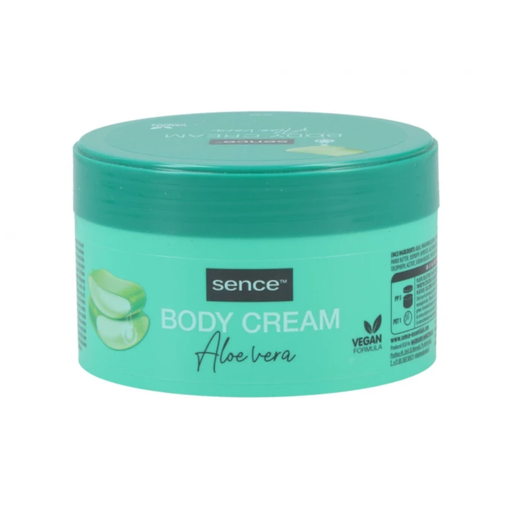
Why this fits the profile: This body cream has a sensible 200 ml size and is designed for daily use on the body. The aloe vera variant suits anyone looking for a simple, fresh body care product.
The product category and intended use are clear: it's a body cream, not a face cream. This helps you avoid buying the wrong product based on the name alone.
200 ml size; cream formula with aloe vera according to the product description; suitable for the body.
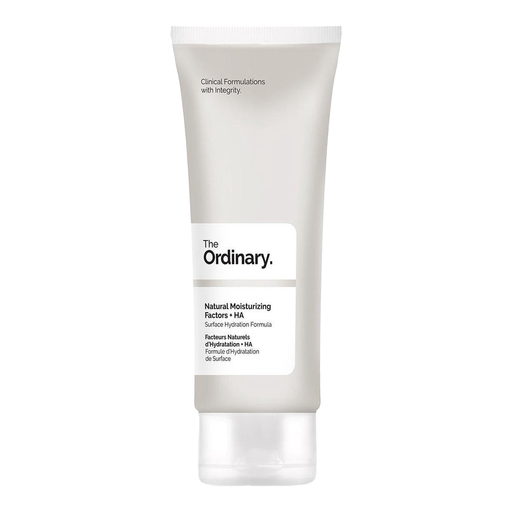
Why this fits the profile: The formula focuses on moisturising factors and contains, according to the product information, amino acids, fatty acids, glycerine and hyaluronic acid. The non-greasy texture works well for daily use on the face.
The ingredients and product features are clearly described. You don't have to rely solely on a general claim like "intensive hydration".
100 ml size; non-greasy formula; product information states no alcohol, oil, silicone or nuts.
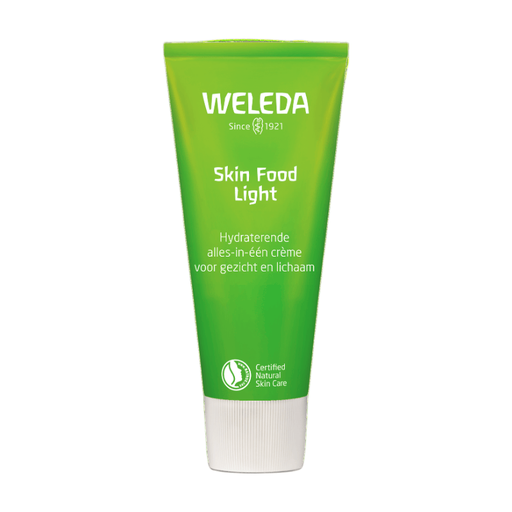
Why this fits the profile: According to the product description, this cream is designed for both face and body. That's handy if you want one product to include in a daily routine for dry patches.
The intended use is broader than a standard face cream, while the Light version is described as quick-absorbing. Do check whether the fragrance ingredients suit your skin's preferences.
75 ml; suitable for face and body; product description states 100% natural ingredients and a light texture.
We've put together a full, up-to-date list of products that fully meet these strict selection criteria and comply with current European safety regulations.
A moisturiser focuses mainly on binding moisture, for example with glycerine or hyaluronic acid. A nourishing cream often contains more oils, butters or emollient ingredients and therefore gives a richer feel on the skin. Some formulas combine both properties.
The exact shelf life is stated on the packaging. Check the expiry date and the symbol for the period after opening. Store the cream in a cool, dry place away from direct sunlight, unless the label gives different instructions.
Only if the product information states both uses. A face cream is usually formulated for a smaller area with a specific texture. A body cream can be richer and may feel less pleasant on the face. Always check the label and the ingredients list.
