
Vandaag of morgen in huis

Kwaliteit gegarandeerd

Welkomstaanbiedingen ontgrendelen: GRATIS bezorging | Tot 80% korting | Gratis 30 dagen JoyPlus-proefperiode
Download de app
Buying a new mixer seems simple until you get tangled in a web of marketing terms, sky-high wattages, and endless accessory kits. Many people end up with an expensive appliance that gathers dust in a cupboard or, worse, starts to fail after just a few months. As a Joybuy Product Recommendation Officer, I'm here to help you cut through the noise and make an informed decision. Let's expose the most common pitfalls so your investment pays off in delicious baked goods and smoothies, not frustration.
Before you pull out your wallet, it's crucial to know where things often go wrong. Manufacturers are masters at luring you in with specifications that sound impressive but add little practical value.
To avoid a bad purchase, it's better to focus on a few concrete specifications that truly matter. These determine the performance and lifespan of your appliance.
The required power depends entirely on what you plan to prepare. A motor that's too weak will burn out on heavy-duty tasks, while an overly powerful one is unnecessary for light jobs.
The durability of your mixer is largely determined by the materials used.
Think about the quantities you typically prepare.
To help you get started, we've selected a few products that suit different user profiles. These recommendations are based on their specifications and how they avoid the pitfalls mentioned earlier.
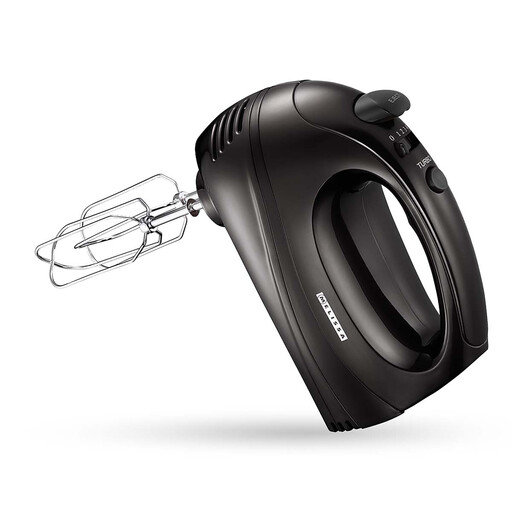
Why This Fits Their Persona: Ideal for those starting out with baking and looking for a simple, reliable appliance for cake batter, pancakes, and whipped cream. No unnecessary frills, just a solid foundation.
This model avoids the wattage trap. Its 300W motor is perfectly suited for light mixing tasks, so you're not paying for superfluous power. It's a pure hand mixer, not a vague "all-in-one".
Comes with the essential stainless steel beaters and dough hooks. The 5 speeds plus a turbo function provide ample control for various recipes.
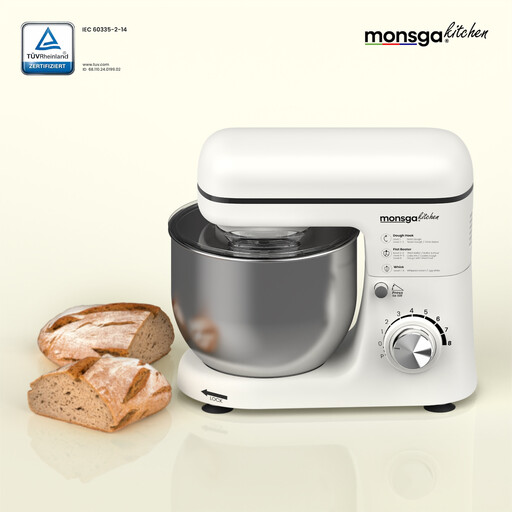
Why This Fits Their Persona: For the baker who regularly makes bread, pizza, or larger batches of cake. This stand mixer provides the power and capacity needed for heavier work and larger portions.
This is a specialised stand mixer, not a weak compromise. The 1000W motor is genuinely needed for kneading dough. The large, simple stainless steel bowl is practical and easy to clean.
Large 5.0L stainless steel bowl for family-sized portions. The planetary mixing action ensures all ingredients are mixed evenly. The accessories are dishwasher-safe.
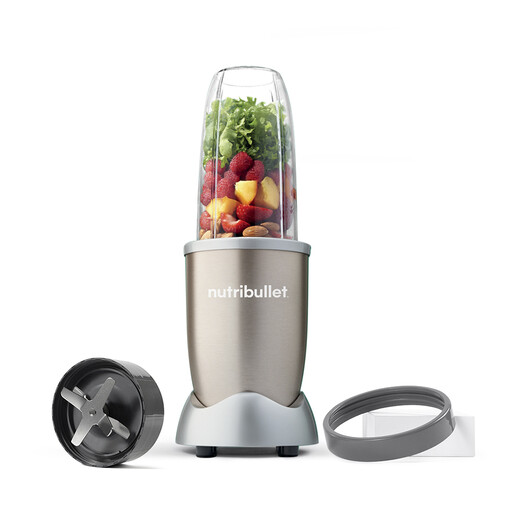
Why This Fits Their Persona: Perfect for anyone who wants to quickly and easily make healthy smoothies, shakes, or sauces. Its compact size and powerful motor are ideal for a busy lifestyle.
This blender focuses on one task: powerful blending. It doesn't pretend it can knead dough. The 900W motor is functional here, designed to pulverise ice and hard vegetables. The cup is dishwasher-safe, avoiding the pitfall of complex cleaning.
Powerful 900W motor effortlessly grinds frozen fruit and ice. The compact design is easy to store, and operation is very simple (no complicated buttons).
We have compiled a complete, up-to-date list of products that meet these selection criteria and local safety regulations.
This depends entirely on its use. For light mixing and whipping (cake batter, cream) with a hand mixer, 300-500W is sufficient. For puréeing soups with a stick blender, 500-800W is ideal. For crushing ice in a blender or kneading heavy dough in a stand mixer, a power of 800W to 1200W is recommended for good performance and a long lifespan.
It is generally not recommended. Most hand mixers, especially lower-wattage models, are not designed for the resistance of heavy dough. The motor can overheat and burn out. For those who bake bread regularly, a stand mixer with a powerful motor and a sturdy dough hook is a much better and more durable choice.
The terms are often used interchangeably, but there is a subtle functional difference. A traditional blender usually has a larger glass or plastic jug (1.2L to 2L) and is versatile enough for soups, sauces, and larger batches of smoothies. A smoothie maker is often more compact, with a cup that doubles as a drinking vessel. It is specifically designed for making personal portions of drinks to consume immediately or take on the go.
