
Vandaag of morgen in huis

Kwaliteit gegarandeerd

Welkomstaanbiedingen ontgrendelen: GRATIS bezorging | Tot 80% korting | Gratis 30 dagen JoyPlus-proefperiode
Download de app
In the UK, a jacket needs to stand up to changeable weather, but not every coat labelled “waterproof”, “warm”, or “outdoor” will be right for you. A thin jacket might be perfect for cycling but won't be enough during a walk in heavy rain. A thick winter coat will keep you warm, but it can be cumbersome on the train or when you're active.
This practical guide will help you compare jackets based on features you can actually check. You'll find tips for women's jackets, men's jackets, outdoor jackets, raincoats, and casual coats, plus a few product recommendations for different situations.
Water-repellent jackets can make light rain roll off the surface for a short time. However, this doesn't automatically mean they can withstand prolonged or heavy downpours. That's why you should check if the product description mentions a water column, a specific membrane, and taped or sealed seams.
For a jacket with a waterproof outer layer, the zips, cuffs, hood, and seams are just as important as the fabric itself. Without a proper seal, rain can still find its way inside.
A fleece lining or synthetic filling tells you something about warmth, but not about wind protection. A warm jacket with an open hem or thin cuffs can still feel cold in strong winds. Look for adjustable cuffs, a drawstring at the hem, and a well-fitting hood.
The opposite is also true: a waterproof jacket without an insulating layer will keep the rain out, but it isn't designed to be a winter coat. For cold days, a combination of a base layer, a fleece, and a shell can be more practical.
A jacket should have enough room for a jumper or fleece, but it shouldn't be so loose that wind can get in through the hem. Besides the standard size, check the chest circumference, shoulder width, sleeve length, and back length. For 3-in-1 jackets, it's important to check the size of both the outer and inner jackets.
"True to size" advice is based on the brand's product information. It's not a guarantee that the fit will feel the same on every body type.
The water column is expressed in millimetres of H₂O. A higher number indicates greater resistance to water pressure in a lab test, but it doesn't tell the whole story about everyday use. The quality of the seams, zips, and hood remains crucial.
According to its product description, the PELLIOT 3-in-1 jacket for women has a water column of 35,900 mm H₂O according to JIS. This figure is a technical product specification; the practical protection you get also depends on maintenance, how you fasten the jacket, and how you use it.
When you're walking, cycling, or running, your body generates heat and moisture on the inside. The MVTR rating indicates how much water vapour a material can let through under specific test conditions. The PELLIOT jacket states a breathability of 16,000 g/m²/24h according to JIS.
A breathable jacket doesn't automatically prevent sweating. A good base layer, appropriate clothing, and ventilation zips can also make a difference. For running and hiking jackets, weight, freedom of movement, and ventilation are often more important than a very thick lining.
For winter coats and parkas, check:
A puffer jacket with 100% polyester filling, like the Urban Classics model below, is constructed differently from a shell jacket. A shell primarily protects against rain and wind, whereas a puffer jacket focuses more on insulation. A 3-in-1 jacket combines multiple functions but can be heavier and bulkier.
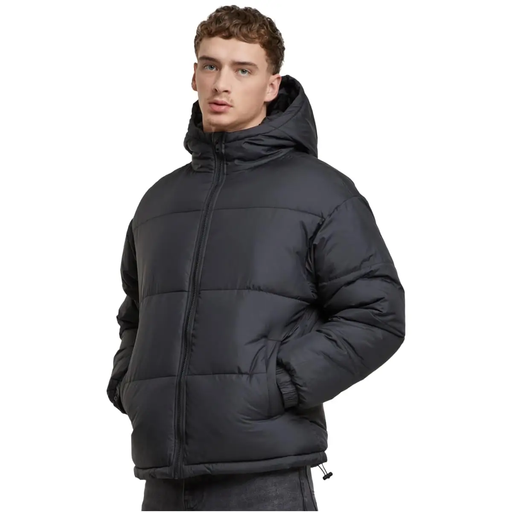
Why it fits the profile: This puffer jacket is designed for everyday use on cold days. The hood and synthetic filling make it a practical choice for commuting and casual outfits.
The product information clearly states the composition: a polyamide outer layer, a polyester filling, and a polyester lining. Be sure to check the label for specific care instructions.
100% polyester filling, hood, multiple sizes, and machine washable according to the provided instructions.

Why it fits the profile: The Triclimate 3-in-1 design is ideal for those who want a single system for changeable conditions while travelling, hiking, and for everyday outdoor use.
According to the product description, the outer shell and inner jacket can be worn separately or together. This means you don't have to buy a separate jacket for every type of weather.
GORE-TEX outer material according to the product information, 550-fill-power down in the inner layer, and an adjustable hood, hem, and cuffs.
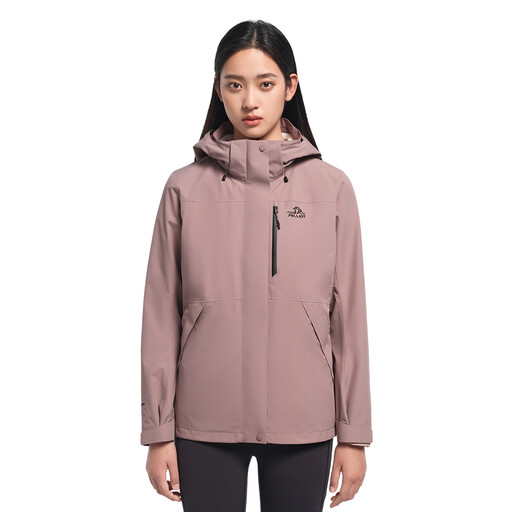
Why it fits the profile: This women's jacket is intended for camping, trekking, and commuting, where you need flexibility to handle warmth, wind, and rain.
The jacket consists of a shell and a removable fleece-lined inner layer. According to the product description, you can wear both layers separately or combined.
Stated water column of 35,900 mm H₂O, MVTR of 16,000 g/m²/24h, adjustable fit, and abrasion resistance of over 40,000 rub cycles according to the product information.
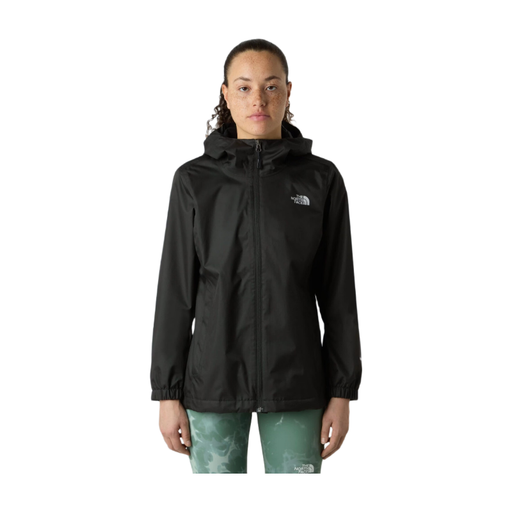
Why it fits the profile: This women's jacket is a shell for hiking and everyday use in changeable weather. The cut and adjustable features are designed to accommodate layers underneath.
The product description mentions fully sealed seams, DryVent fabric, an adjustable hood, and a drawstring hem. This means the key points for leaks and wind have been addressed in the design.
Waterproof, windproof, and breathable according to the brand's product description, with a mesh lining, zipped pockets, and a quick-drying polyester outer layer.
We've put together a complete, up-to-date list of products that fully meet these strict selection criteria and comply with current European safety regulations.
Measure your chest circumference while wearing a thin shirt and compare it to the specific product's size chart. For women's jackets, also check your waist and hip measurements if the jacket has a fitted cut. For men's jackets, shoulder width and sleeve length can be decisive, especially for a cycling or hiking jacket.
When it comes to care, pay attention to the following points:
A jacket will generally last longer if you don't wash it unnecessarily often and follow the care instructions for the specific fabric. You should also regularly check the seams, zips, and cuffs.
Look for a waterproof jacket with sealed seams, an adjustable hood, and secure cuffs. For intense activities, breathability is also important. A shell can be combined with a fleece or a warm mid-layer.
A 3-in-1 jacket consists of an outer layer and an inner layer that can be worn together or separately. This offers more versatility. A regular winter coat usually has a single, fixed insulating structure and is simpler to use.
Compare your body measurements with the size chart and consider the clothes you'll be wearing underneath. Also, check the stated fit, such as regular, relaxed, or oversized. For outdoor jackets, having enough room to move your shoulders and arms is important.
