
Vandaag of morgen in huis

Kwaliteit gegarandeerd

Welkomstaanbiedingen ontgrendelen: GRATIS bezorging | Tot 80% korting | Gratis 30 dagen JoyPlus-proefperiode
Download de app
Picking a bottle of cordial might seem straightforward. Yet products vary significantly in sugar content, dilution ratio, volume, ingredients and how you can use them. A flashy label doesn’t always tell you how many glasses you’ll actually get, or what flavour you’ll end up with in your glass.
Many British households come up against the same buying pitfalls:
If you want to cut down on sugar, look for sugar-free cordial or a cordial with no sugar. Pay attention to the difference between:
Also read the ingredients. Slimpie Raspberry lists sucralose and acesulfame-K among its ingredients. With a traditional fruit cordial, such as Karvan Cevitam Grenadine, the sugar content is clearly shown in the nutrition table.
The dilution ratio gives you a better idea of the cost per glass than the bottle price alone. Slimpie Raspberry and Slimpie Lemon use a ratio of 1 part cordial to 11 parts water. According to the product information, a 650 ml bottle yields around 8 litres of squash, which works out at roughly 39 glasses.
Karvan Cevitam Tropical and Grenadine recommend a ratio of 1 to 9. A 600 ml bottle yields up to 6 litres of drink according to the product information, or about 30 glasses of 200 ml.
Always follow the dosage on the label. Too little cordial gives a weak flavour; too much increases the sugar or sweetener content per glass.
For everyday drinking, a classic fruit cordial or sugar-free squash is practical. For parties and recipes, a flavour with more character can be more useful:
For vegan or halal use, always check the current ingredients list and any product information. A “vegan” claim is only meaningful when it appears on the specific product. The same applies to allergies: use the packaging as your guide, because recipes can change.
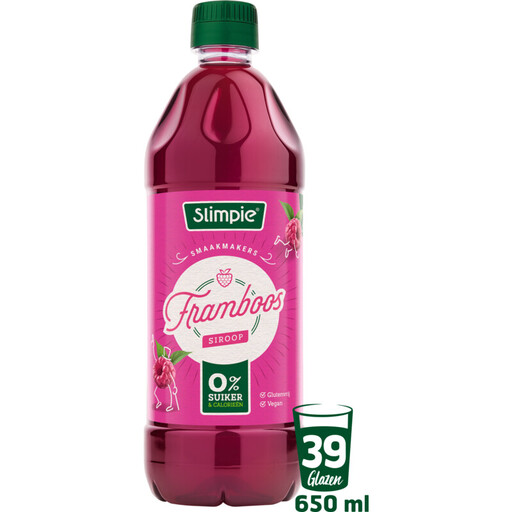
Why it fits the profile: A straightforward choice for families who want to make lots of glasses of squash while keeping the sugar content down. The raspberry flavour is familiar and the dosage is clearly stated.
The bottle states a 1+11 dilution ratio and a yield of around 39 glasses. According to the product information, the cordial contains 0 grams of sugar and is sweetened with sweeteners.
650 ml volume, 0 grams of sugar according to the table, vegan and gluten-free according to the product description.
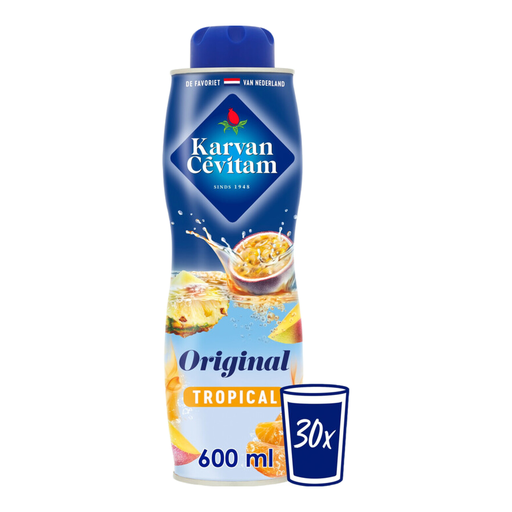
Why it fits the profile: Ideal for households that want a pronounced fruit profile for water, sparkling water and mocktails.
The product states a 1+9 dilution ratio and a yield of up to 6 litres. This means you can estimate the cost per glass more accurately upfront.
According to the product information, the cordial contains 75% fruit juice from concentrate, natural flavourings and added vitamin C.
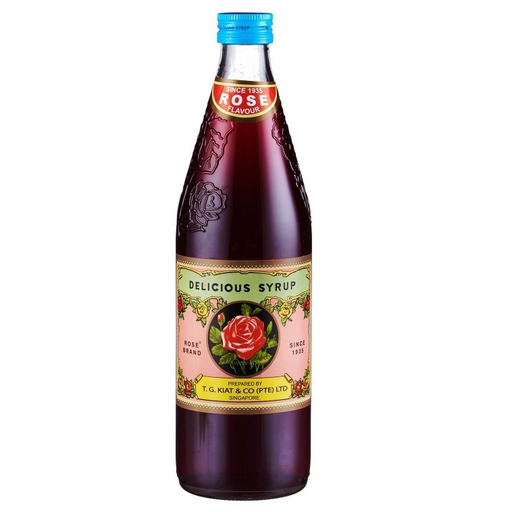
Why it fits the profile: A suitable option if you’re looking for a cordial for cocktails, desserts, milk drinks and festive serving occasions.
The product description mentions multiple uses. At the same time, the nutrition table shows 78 grams of sugar per 100 ml, so you can measure it out consciously.
750 ml volume, floral rose aroma and, according to the product information, suitable for drinks, desserts, cocktails and baking.
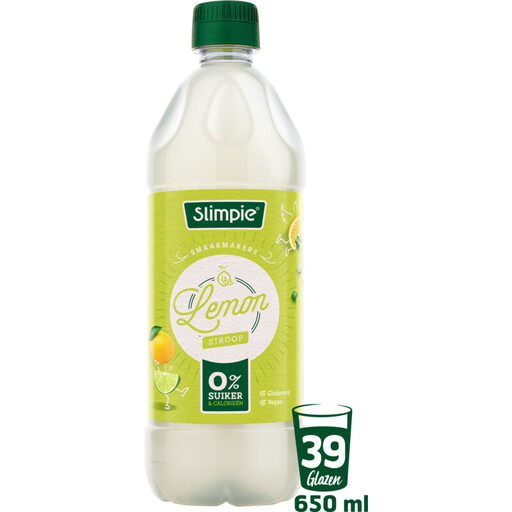
Why it fits the profile: Handy for everyday use when you want a zesty flavour without sugar, according to the stated nutritional values.
The product information states 0 grams of sugar and a 1+11 ratio. The ingredients list does mention sweeteners, so you know exactly what you’re buying.
650 ml volume, around 39 glasses according to the product description, vegan and gluten-free according to the stated product features.
We’ve put together a full, up-to-date list of products that fully meet these strict selection criteria and comply with current European safety regulations.
Look at the nutrition table and search for 0 grams of sugar per 100 ml. Slimpie Raspberry, Slimpie Lemon and Slimpie Forest Fruit state 0 grams of sugar according to the product information. These products do contain sweeteners. “Sugar-free” therefore doesn’t automatically mean the cordial contains no sweeteners.
That depends on the bottle size and the recommended ratio. Slimpie gives around 39 glasses for a 650 ml bottle with a 1+11 ratio. Karvan Cevitam uses 1+9 and states around 30 glasses per 600 ml bottle. For a fair price comparison, use the same glass size and follow the dosage on the label.
Most products need to be refrigerated after opening. Seal the bottle tightly and follow the use-by date on the packaging. Keep cordial out of direct sunlight and, before use, check the best-before information, ingredients and any warnings on the current label.
