
Vandaag of morgen in huis

Kwaliteit gegarandeerd

Welkomstaanbiedingen ontgrendelen: GRATIS bezorging | Tot 80% korting | Gratis 30 dagen JoyPlus-proefperiode
Download de app
A conditioner can make your hair easier to comb through, softer and smoother. Yet not every purchase ends up in your regular hair care routine. The reason is often not just the formula, but also a mismatch with your hair type or unclear product claims.
A repairing conditioner sounds appealing for dry or damaged hair. However, a name like that doesn't automatically tell you how many nourishing ingredients are present or how the product feels. So always look at the full product description, the ingredients list and the recommended hair type.
For example: a formula with oils, butters or silicones can help your hair feel smoother. That's different from permanently repairing hair fibres. According to a brand's own research, certain results can be claimed, but don't treat such claims as a universally proven effect.
A rich conditioner for dry hair can leave fine or quickly greasy hair feeling weighed down. A lightweight conditioner for daily use is often more practical. Apply the product mainly to the lengths and ends, not automatically to the scalp.
A silicone-free conditioner can be a good choice when you want a light or naturally feeling result. However, silicones aren't automatically unsuitable: they can make hair smoother and help with detangling. Also check for fragrance, preservatives and known allergens if you're sensitive to them. The current ingredients list on the packaging remains the most important reference, because formulas can change.
First, choose based on your main need:
Check whether the conditioner contains silicones, fragrance, oils or proteins. A product can be vegan and paraben-free, for example, but still contain fragrance allergens. Stop using it if irritation occurs and avoid contact with the eyes.
According to the product information, the Andrélon Mild & Soft conditioner is listed as silicone-free and contains aloe vera and coconut ingredients, among others. Andrélon Oil & Care contains argan oil, shea butter and silicones, among other things. These two variants therefore have a different formula choice, even though both are intended to make hair feel softer.
Don't just compare the price per bottle, but also the volume per millilitre and the number of units. A 440 ml pack can be more economical for daily use, while 200 or 250 ml is handier if you want to alternate between several variants.
Also pay attention to the recommended leave-in time. Many conditioners are rinsed out after one to three minutes. Don't automatically use more product: with fine hair, a small amount on the lengths is often enough.
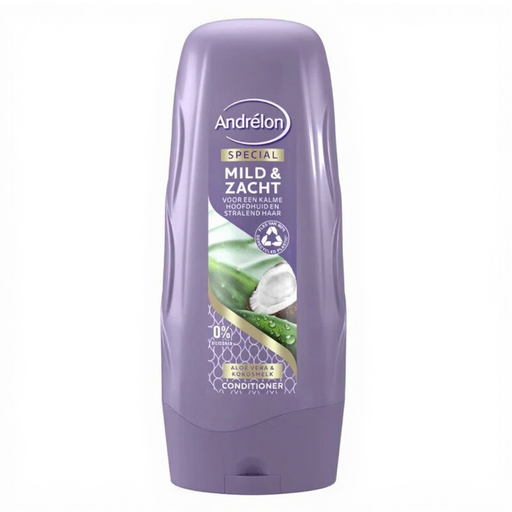
Why this fits the profile: According to the product specifications, this variant is suitable for all hair types and contains 300 ml, making it practical as a first hair conditioner for regular use.
The product information doesn't mention a specific heavy repair claim, but clearly states that the conditioner hydrates and leaves hair soft and supple.
300 ml volume, suitable for all hair types and, according to the product specifications, silicone-free.
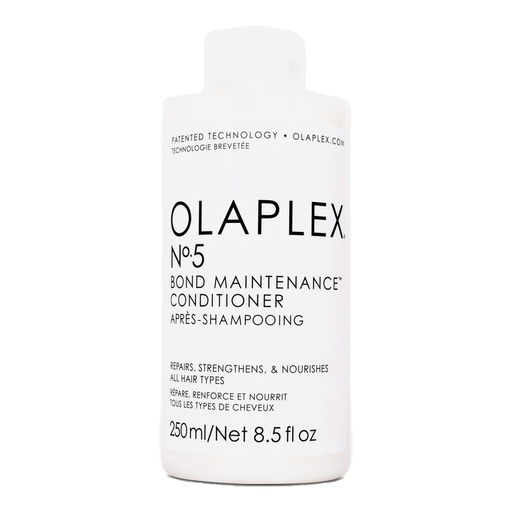
Why this fits the profile: According to the product information, this conditioner is intended for all hair types, including bleached and coloured hair, and fits into a comprehensive care routine.
The product page specifies use on lengths and ends and mentions a vegan, sulphate-free and colour-safe formula.
250 ml volume, suitable for coloured and bleached hair, and according to the product specifications, vegan and sulphate-free.
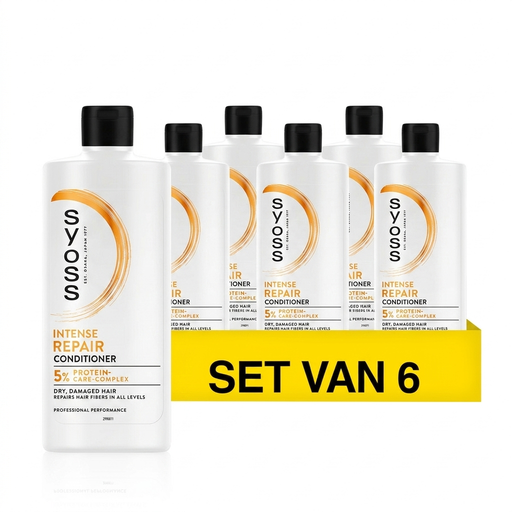
Why this fits the profile: The pack contains six 440 ml bottles, making it suitable for households or users who use conditioner frequently.
The specifications state that the variant is suitable for damaged hair and clearly mention that the formula is not silicone-free.
Six 440 ml bottles, suitable for all hair types and designed for damaged hair.
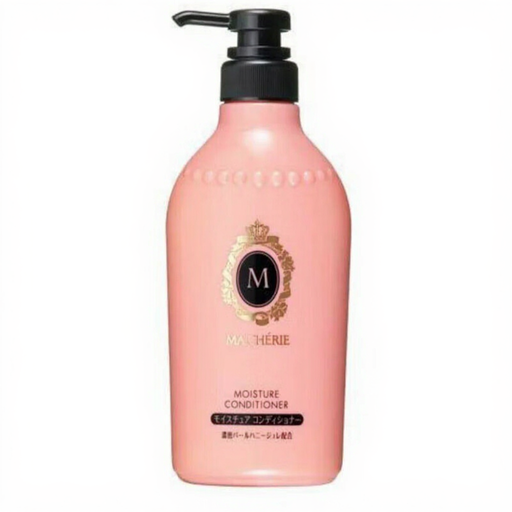
Why this fits the profile: The product information mentions a silicone-free formula, 450 ml volume and suitability for all hair types.
The formula choice is explicitly stated in the product specifications, so you don't have to rely on a general marketing term alone.
450 ml volume, silicone-free formula and designed for hydration and care.
We've put together a full, up-to-date list of products that fully meet these strict selection criteria and comply with current European safety regulations.
A conditioner is generally intended for the lengths. If you have a sensitive scalp, check the ingredients and don't use the product on irritated skin.
That depends on your hair type and washing routine. A lightweight conditioner for all hair types can be suitable for daily use or after every wash for many users. You could use a rich or intensely nourishing variant less often if your hair quickly feels limp.
Check the shelf life information and the symbol on the packaging. Many care products state a period after opening, for example 12M. Keep the bottle tightly closed, at room temperature and out of direct sunlight. Don't use the product if the smell, colour or consistency changes.
Not necessarily. Compare the price per 100 ml, the recommended amount and the number of applications. A concentrated formula can last longer, but only if you don't use more product than necessary. Also look at the packaging and choose a size that suits how often you use it.
