
Vandaag of morgen in huis

Kwaliteit gegarandeerd

Welkomstaanbiedingen ontgrendelen: GRATIS bezorging | Tot 80% korting | Gratis 30 dagen JoyPlus-proefperiode
Download de app
A conditioner can make dry hair feel softer, help with detangling, and complement your haircare routine for coloured or bleached hair. However, not every conditioner is suitable for every hair type. A rich formula can weigh fine hair down, while a lightweight conditioner may not provide enough nourishment for thick or damaged hair.
What’s more, the product name doesn’t always tell the full story. So before you buy, pay attention to the ingredients, the size, the instructions for use, and the purpose of the conditioner.
Terms like “restorative”, “strengthening” and “intensely hydrating” are often based on a brand’s positioning. They don’t automatically mean that every user will experience the same result. According to a brand’s own research, certain effects may have been observed under specific conditions, but that’s no guarantee for your hair.
Instead, look at verifiable details: which hair type is the conditioner designed for, how many millilitres do you get, and do you need to rinse it out or leave it in?
An anti-yellow conditioner or purple toner is intended for blonde, grey, bleached or highlighted hair. The purple pigments can visually neutralise warm yellow or coppery tones, as stated in the product description. However, the right frequency of use depends on your hair colour and the shade you want to achieve.
A daily conditioner for normal hair is very different from a toning conditioner. Always check the recommended leave-in time, and if you’re unsure, start by using it less frequently.
A sulphate-free conditioner, silicone-free conditioner or vegan conditioner can suit certain preferences well. But “free from” doesn’t tell you everything about how well it works or whether it’s suitable for you. A silicone-free formula can feel light, but it won’t provide the same smoothness for every dry or frizzy hair type.
Check the full ingredients list on the packaging. Also look out for fragrance ingredients if you have sensitivities. The current INCI list on the packaging is the most reliable guide, because formulations can change.
First, decide what you want the conditioner to achieve:
A traditional conditioner is applied to the lengths and ends after washing, left on for a short time, and then rinsed out. A leave-in conditioner stays in the hair. This difference affects your routine and how much product you use.
Generally, don’t apply conditioner liberally to your scalp, unless the instructions specifically say to. The lengths and ends usually need more care than the roots.
Don’t just compare the price of the bottle; also compare the size and the dosage. A 440 ml bottle can be good value for regular use, while a 100 ml or 200 ml pack is more convenient for travel or for trying out a formula first.
Check the period after opening, often shown with the open-jar symbol, such as 12M. Store the conditioner according to the instructions and close the packaging properly. Stop using it if irritation occurs and avoid contact with the eyes.
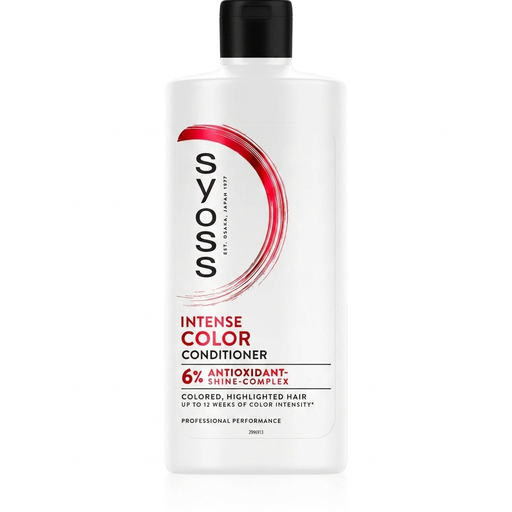
Why this fits the profile: The 440 ml size is practical for regular use, and the formula is designed for coloured hair, according to the product description.
The product variant and size are clearly stated, so you’re not relying on a vague colour promise alone.
440 ml; according to the ingredients list, it contains glycerine and hydrolysed keratin, among other ingredients.
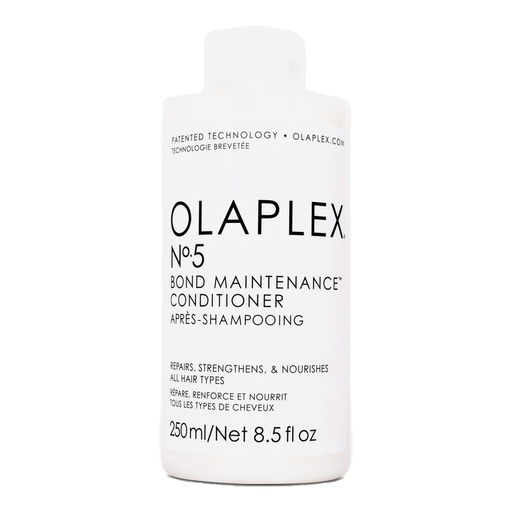
Why this fits the profile: According to the product information, this conditioner is suitable for all hair types, including coloured and bleached hair, and fits into a comprehensive haircare routine.
The product description states its purpose, size and application. Always check the current ingredients list on the packaging, though.
250 ml; according to the product specifications, it is vegan, paraben-free and sulphate-free.
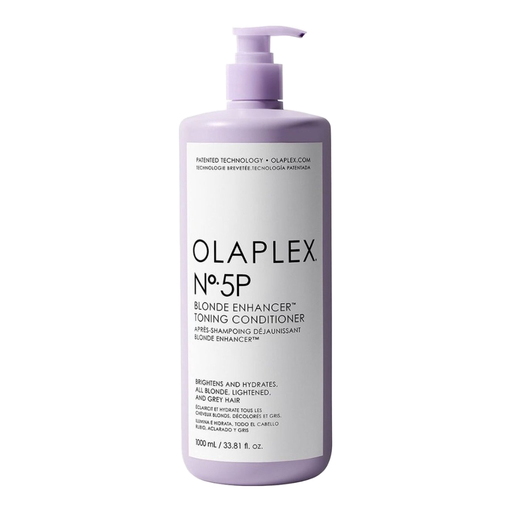
Why this fits the profile: According to the product information, the large size and purple pigments are suited to regular use on blonde and grey hair.
The instructions recommend a leave-in time of around three minutes and use weekly or as needed. This helps you avoid overusing the toning effect.
1000 ml; purple micro-pigments according to the product description; listed as vegan and free from sulphates, parabens and phosphates.
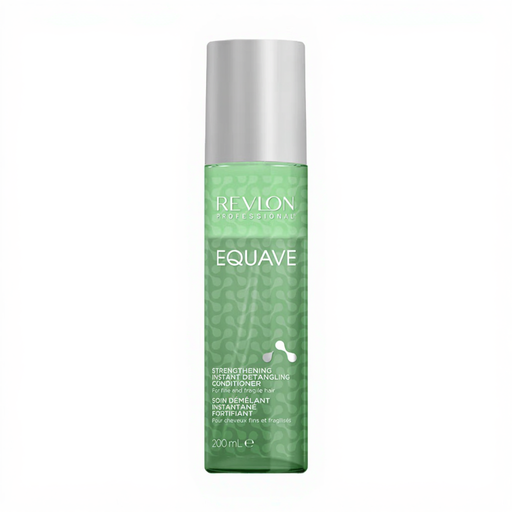
Why this fits the profile: According to the product description, this leave-in conditioner is suitable for all hair types, including fine hair, and doesn’t need to be rinsed out.
Because it’s a leave-in formula, you can apply a small amount directly to the lengths and ends without a long waiting time.
200 ml; leave-in formula; product information mentions detangling, hydrating and use for all hair colours.
We’ve put together a full, up-to-date list of products that fully meet these strict selection criteria and comply with current European safety regulations.
That depends on your hair type and the product. A regular conditioner can be used with most washes, especially on the lengths and ends. Use an anti-yellow conditioner according to the instructions on the packaging, and usually less often than a daily hair conditioner. Fine hair often benefits from using a smaller amount.
Check the open-jar symbol on the packaging, for example 12M. This usually means the product should be used within twelve months of opening. Store the bottle in a cool, dry place away from direct sunlight. The shelf life of an unopened product is stated on the packaging.
No. The right choice depends on your hair structure, your goal and the ingredients. An affordable conditioner in a large bottle can make sense for daily use, while a smaller formula may be better for a specific need, such as colour care, toning or leave-in detangling. Compare the size, frequency of use and ingredients before you decide.
