
Vandaag of morgen in huis

Kwaliteit gegarandeerd

Welkomstaanbiedingen ontgrendelen: GRATIS bezorging | Tot 80% korting | Gratis 30 dagen JoyPlus-proefperiode
Download de app
Need a new backpack? The options are overwhelming, and you're constantly bombarded with marketing jargon. The result is often ending up with a bag that's impractical, uncomfortable, or shows signs of wear after just a few months. Let's cut through the noise and focus on what really matters.
Before you make a choice, it's wise to know the most common pitfalls:
trekking backpack is cumbersome for your daily bike ride to the office. Conversely, a small, fashionable daypack won't offer the support or space you need for a serious hike. The right volume for the right activity is crucial.school bag or gym bag, they often just get in the way.Focus on a few core specifications to avoid a bad purchase. These determine whether a backpack is suitable for your needs.
A backpack's capacity is measured in litres. This number gives a direct indication of its utility.
daypack. Perfect for your laptop, lunch, a water bottle, and some small items. Ideal for the daily commute, a day in the city, or as a light gym bag.school bag that needs to hold books, a laptop, and a pencil case. Also suitable as a hiking backpack for day trips where you're carrying extra clothing or provisions.trekking backpack. Designed for multi-day trips where you need to carry camping gear, cooking equipment, and multiple sets of clothing.A backpack needs to be tough. The choice of material is decisive here.
black backpack made of sturdy polyester is a classic, durable choice.Comfort is not a luxury, but a necessity. A good carry system makes the difference between a pleasant experience and constant irritation.
women's backpack or men's backpack. These account for differences in body shape, such as shoulder width and hip form, for a better ergonomic fit.Below are a few models that align well with different user profiles, based on their specifications.
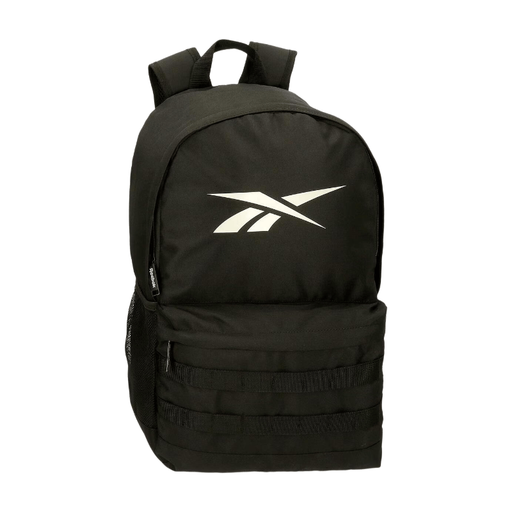
Why This Fits Their Persona: This Reebok backpack is a reliable choice for those who commute daily between school, work, and the gym. Its sporty, clean look fits in anywhere, and its size is practical for books, a laptop, and other essentials.
The design is functional without superfluous features. The focus is on a spacious main compartment and comfortable, adjustable shoulder straps for everyday carrying ease.
Durable construction for intensive daily use and a versatile design that suits both an athletic and a casual lifestyle.
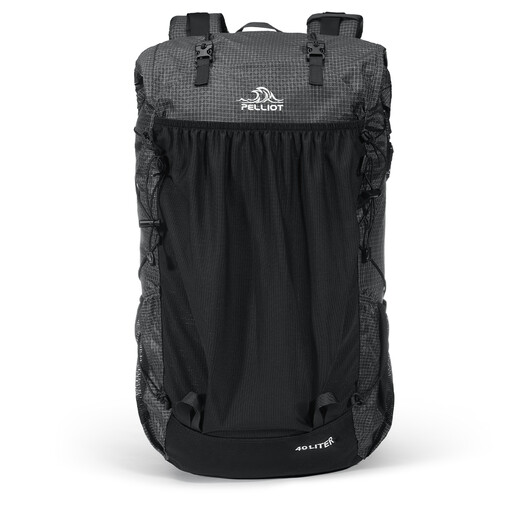
Why This Fits Their Persona: This bag is built for multi-day hiking and camping trips. The 40-litre capacity is spacious enough for necessary gear, while the technical carry system is designed for comfort over long distances with a heavy load.
This is no ordinary backpack. According to the manufacturer Pelliot, the built-in frame transfers weight to the hips and the carry system adapts to your movements, directly addressing the pitfall of poor carrying comfort.
Technical carry system with a lightweight alloy frame for optimal weight distribution. The 3D breathable back panel helps keep your back cool and dry.
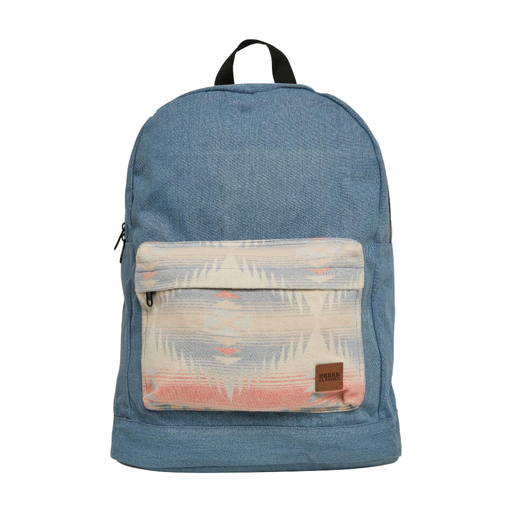
Why This Fits Their Persona: For those who see a backpack not just as a practical item, but as a fashion accessory. The washed denim look and the striking patterned outer pocket make this a unique addition to an urban outfit.
This bag doesn't try to be everything. It's a stylish daypack with a practical main and outer pocket, without the unnecessary bells and whistles that would disrupt the look.
Striking and trendy design. The combination of the denim look with the coloured pattern and faux-leather details gives the bag a distinctive character.
We've curated a complete, up-to-date list of products that meet these strict selection criteria and practical demands.
Q: How many litres of capacity does a good school bag need? A: For most school and university students, a backpack with a volume between 25 and 35 litres is a good choice. This provides enough space for a laptop, several books, a pencil case, and a lunch box, without becoming unnecessarily large and heavy.
Q: What is the difference between a hiking backpack and a regular daypack? A: The main difference lies in the carry system and features. A hiking backpack often has a more advanced carry system with a sturdy hip belt and chest strap to distribute weight, better ventilation on the back panel, and external loops for trekking poles. A daypack is simpler and primarily focused on carrying everyday items over shorter distances.
Q: How do I ensure my backpack lasts a long time? A: Do not consistently carry more weight than the backpack is designed for. Clean the bag regularly according to the manufacturer's washing instructions (usually with a damp cloth, not in the washing machine). Check zippers and buckles occasionally and store the bag in a dry place, out of direct sunlight.
