
Vandaag of morgen in huis

Kwaliteit gegarandeerd

Welkomstaanbiedingen ontgrendelen: GRATIS bezorging | Tot 80% korting | Gratis 30 dagen JoyPlus-proefperiode
Download de app
Choosing a backpack might seem straightforward – until you're stuck with a laptop compartment that's too small, an awkward layout, or shoulder straps that just don't fit properly. Marketing copy often focuses on looks, generous capacity or water-repellent materials. Yet those terms don't always tell you enough about everyday use.
If you're looking to buy a backpack, it's worth first considering how you'll use it and checking the specifications you can verify. A model for school won't need the same features as a business backpack, travel backpack or sports backpack. Below, we cover the most common pitfalls, the technical points to watch, and some popular choices for different user profiles.
A roomy backpack can hold plenty of things, but without separate compartments, books, clothes, chargers and keys quickly get jumbled together. So don't just check the litre capacity – also look for:
A capacity of 20 to 25 litres is enough for most daily users. For a weekend away or intensive outdoor use, 40 to 50 litres may be more practical.
The term water-repellent backpack usually describes a material or coating that can temporarily hold off light rain. That's quite different from a fully waterproof construction with sealed seams and waterproof zips.
So check the product description for:
In heavy rain, it's still wise to give your laptop, tablet or clothes extra protection with a sleeve or waterproof inner bag. Don't interpret a marketing claim about protection more broadly than the stated product specifications.
A laptop backpack for a 15.6-inch laptop shouldn't just support the screen size. The dimensions of the laptop itself and the thickness of its protective case also matter. So measure your laptop and compare it with the available compartment.
Also pay attention to:
A backpack for a 15.6-inch laptop isn't automatically suitable for every model of that size. The exact internal dimensions are what really count – if the seller provides them.
Look at both the volume in litres and the dimensions in centimetres. A 24-litre backpack, for example, may be taller or deeper than another model with the same capacity. That affects how easily it fits under a seat, in a locker or in an overhead luggage rack.
For school and commuting, models around 20 to 30 litres are often versatile. A 50-litre model offers noticeably more space, but can be unnecessarily large for daily use.
Check whether the shoulder straps are adjustable and padded. A padded back panel can improve how the backpack feels, but personal fit is still key. A chest strap and hip belt are especially useful when the bag is heavier or needs to stay put while walking.
Look at the following points:
Always follow the manufacturer's instructions and avoid overloading. A backpack is not a protective device and doesn't guarantee security against theft.
Polyester, coated canvas and coated Oxford fabric are common in this category. The product description may mention properties such as abrasion resistance, tear resistance or weather resistance. Treat these as product specifications from the seller, and also check the care instructions.
Some models mention a proportion of recycled materials. That's a concrete material detail, but it doesn't on its own tell you anything about the overall lifespan or performance of the backpack. Store the bag in a dry place, remove wet items promptly, and don't use harsh cleaning products if the manufacturer advises against them.
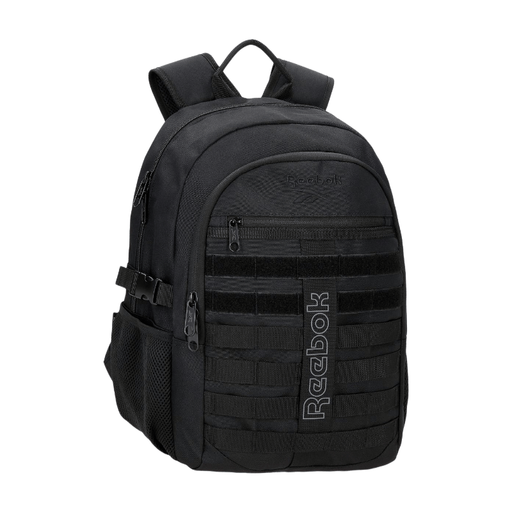
Why this fits the profile: The product description mentions a roomy main compartment, extra storage pockets and adjustable shoulder straps. That makes this a practical unisex backpack for school, daily use, the gym or a short trip.
The layout isn't just one large compartment: according to the product information, there are additional pockets for smaller items.
Sporty look, 45 cm height as per the product name, roomy main compartment and adjustable shoulder straps.
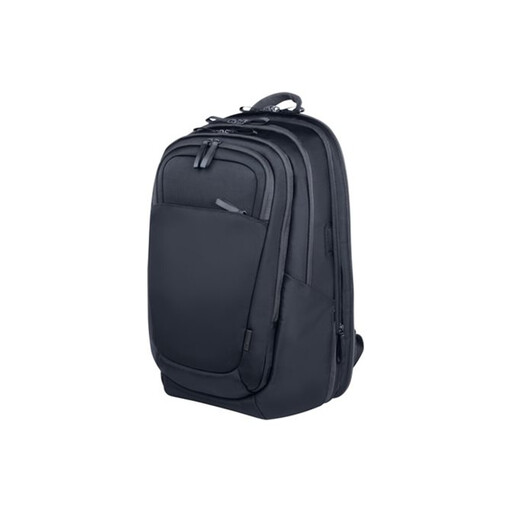
Why this fits the profile: This business backpack is designed for work, commuting and travel. The stated capacity is 25 litres, expandable to 30 litres, with room for a device up to 15.6 inches.
The description specifies a laptop compartment, multiple compartments and an expandable capacity. Still check the exact laptop dimensions before buying.
25 to 30 litre capacity, suitable for up to 15.6 inches according to the product information, chest straps, RFID-blocking compartment and lockable zips.
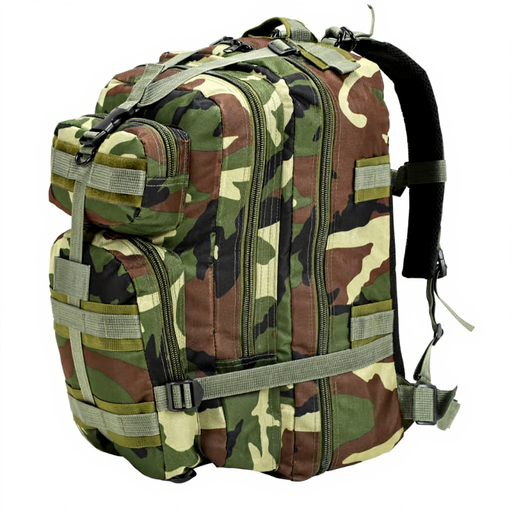
Why this fits the profile: For hikers, travellers and outdoor enthusiasts, the stated 50-litre capacity is relevant. The backpack also has a chest strap, hip belt and compression straps.
The capacity and dimensions are clearly stated. The coated Oxford fabric is described by the seller as tear-resistant and weather-resistant; that's not a guarantee of waterproofness.
50 litre capacity, four stated compartments, mesh back panel, adjustable chest strap and removable hip belt.
We've put together a full, up-to-date list of products that fully meet these strict selection criteria and comply with current European safety regulations.
For daily use, a capacity of around 20 to 30 litres is usually the sweet spot. That gives you room for a laptop, books, lunch and accessories without being as big as a travel backpack. Also check the external dimensions if the bag needs to fit in a locker, pannier or luggage rack.
The lifespan depends on the material, how much weight you carry, how you look after it and how often you use it. Zips, seams and shoulder straps take the most strain with heavy daily use. Distribute the weight, avoid overfilling the compartments and follow the cleaning instructions. A statutory warranty period is not the same as a guaranteed service life.
It can be, depending on the fit and layout. Adjustable shoulder straps, a chest strap and a stable back panel can be practical for commuting. For travel, lockable zips and multiple compartments are useful. With a water-repellent backpack, always check the exact level of rain protection, and consider using an extra sleeve for your electronics.
