
Vandaag of morgen in huis

Kwaliteit gegarandeerd

Welkomstaanbiedingen ontgrendelen: GRATIS bezorging | Tot 80% korting | Gratis 30 dagen JoyPlus-proefperiode
Download de app
Syrup might seem like a simple product, but the range varies enormously in flavour, ingredients, size and use. A fruit syrup for cordial won’t necessarily work well in coffee. A thick syrup for pancakes is quite different from a runny one for cocktails or marinades.
If you only look at the front of the bottle, you could end up paying too much or picking a product that doesn’t suit how you want to use it. Watch out for three common pitfalls: misleading flavour expectations, hidden differences in ingredients, and the wrong packaging for the job.
A bottle labelled “blueberry”, “peach” or “caramel” may not taste the same as the actual ingredient. Always check the ingredients list. That will tell you whether the product contains fruit juice, fruit purée, flavouring, colouring, or mostly sugar and sweeteners.
With fruit syrups, the fruit content can vary a lot. According to the product information, JENI Strawberry Syrup contains strawberry purée, but also fructose, sucrose, sweetener, flavouring, thickener, preservative and colourings. That makes it a good flavouring, but not the same as a pure fruit product.
Agave syrup, maple syrup, date syrup and carob syrup are often sold as natural sweeteners. Yet these products naturally contain plenty of carbohydrates and sugars. Melvita Agave Syrup Dark, for example, lists 71g of sugar per 100g. According to the product information, Citadelle Maple Syrup Gold contains 100% natural maple syrup and 87g of sugar per 100g.
So compare the nutritional information and use only a small amount. A product with a short ingredients list can still be intensely sweet.
A 600g bottle might look tempting if you often make cordial or cocktails. For coffee, though, a 250ml bottle can be more practical because you only need a tiny amount per cup. Think about how you’ll use it, how long it keeps once opened, and whether you can measure it out accurately.
A no-drip cap or narrow pouring spout is handy for pancake syrup and yoghurt. For cocktails and cordial, a bottle that seals well is the main thing.
Use this breakdown as a practical starting point:
Always read the full ingredients list, especially if you have dietary preferences or allergies. Almond syrup, such as Pueblo Siroop Orgeade, contains almonds. Hero Tova dessert sauce contains milk. Other products state they contain none of the 14 major EU allergens, but always check the current label before buying.
Also look out for terms like:
You’ll need to check each product individually for vegan or gluten-free options. According to the product information, Melvita Agave Syrup Dark is described as vegan and gluten-free. Douwe Egberts Coffee Syrup Caramel is listed as vegan.
Compare bottles by grams or millilitres, not just by price. A 250ml syrup can be better value for occasional use, while 600g might be more worthwhile for a household that often makes drinks or desserts.
Also look at the sugar per 100g, the serving size and the energy content. For daily use, dosing matters more than a large pack. After opening, store the product as the label advises – usually sealed tightly in a cool, dry place. According to the product information, maple syrup can be kept in the fridge after opening.
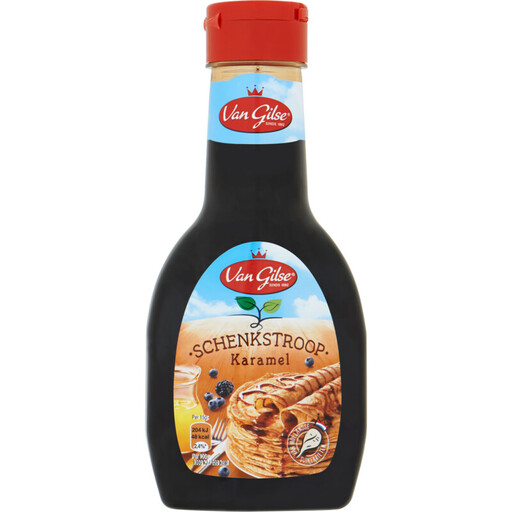
Why this fits the profile: The generous pack works for pancakes, yoghurt and porridge, without needing to buy several different types.
The product information clearly lists sugar, invert sugar syrup, glucose syrup, salt, caramel and flavouring. So you can check the ingredients beforehand.
600g size, caramel flavour and a no-drip cap according to the product information. Contains 80g of sugar per 100g.
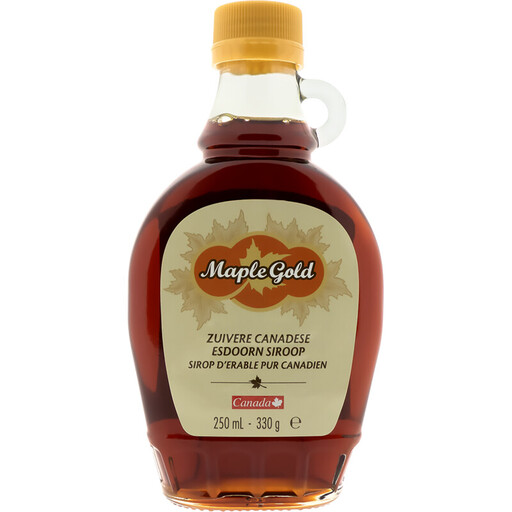
Why this fits the profile: Ideal for anyone who wants a short ingredients list and clear origin for breakfast or dessert.
The ingredients list states 100% natural maple syrup. No extra flavourings or colourings are mentioned.
100% maple syrup, 250ml size and suitable for pancakes or ice cream according to the product information.
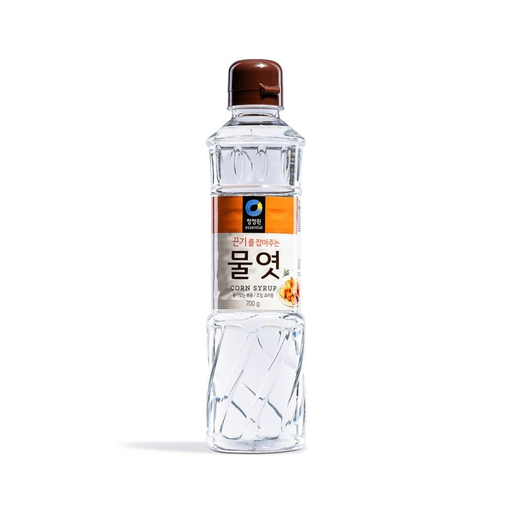
Why this fits the profile: A practical choice for home cooks making Korean marinades, glazes, stir-fries and snacks.
It isn’t presented as an ordinary cordial syrup. The product information clearly describes its use in savoury and sweet Korean dishes.
700g size, made from corn starch according to the product information and intended for shine and thickness.
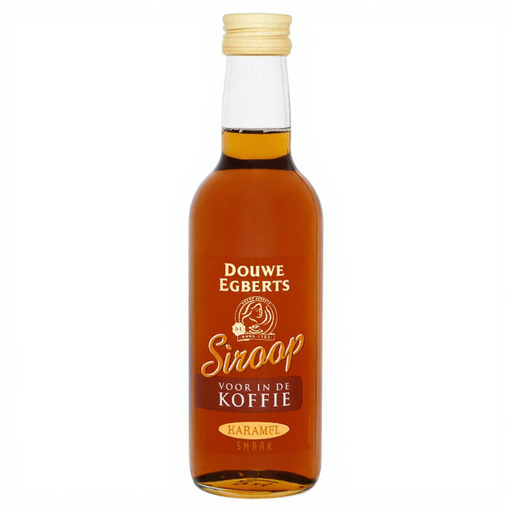
Why this fits the profile: The bottle is designed for small doses in black coffee, milky coffee, espresso or tea.
The instructions recommend starting with a teaspoon per small mug. That keeps dosing simple.
250ml size, caramel flavour and vegan according to the product information. Contains 80.4g of sugar per 100g.
We’ve put together a full, up-to-date list of products that fully meet these strict selection criteria and current European safety regulations.
Coffee syrup with caramel, vanilla or nut flavours is designed for this. According to the product information, Douwe Egberts Coffee Syrup Caramel recommends starting with a teaspoon per small mug. Then add more to taste.
Keep syrup sealed tightly, in a cool, dry place away from direct sunlight, unless the label says otherwise. Always check the best-before information on the packaging. According to the product information, maple syrup can be stored in the fridge after opening.
Choose a runny fruit syrup that the label says can be mixed with water or sparkling water. Blueberry, peach, mango and passion fruit syrup are practical options. Check the ingredients, the recommended dilution and whether the flavour works with the other cocktail ingredients before you buy.
