
Vandaag of morgen in huis

Kwaliteit gegarandeerd

Welkomstaanbiedingen ontgrendelen: GRATIS bezorging | Tot 80% korting | Gratis 30 dagen JoyPlus-proefperiode
Download de app
A bottle of soy sauce might seem simple to pick, but the difference between Chinese soy sauce, Japanese soy sauce and Thai soy sauce is immediately noticeable in your cooking. Some varieties are designed for dipping, while others are mainly used to add colour, sweetness or umami during cooking.
When buying, don't just look for words like "premium" or "traditional". Instead, check the ingredients, salt content, bottle size and intended use. This way, you'll avoid buying a large bottle that doesn't suit your everyday cooking style.
Light soy sauce is generally thinner and saltier in flavour. You use it for stir-fries, marinades, soups, dips and as an all-purpose seasoning. Dark soy sauce is usually richer in colour and can be sweeter. It's particularly suitable for braised dishes, noodles, marinades and recipes where you want a deep brown colour.
Dark soy sauce isn't automatically a substitute for light soy sauce. A splash too much can quickly make a dish too sweet or too dark.
Soy sauce for steamed fish is formulated for delicate ingredients. Lee Kum Kee's product description mentions a lighter colour and a balanced sweet-savoury taste, designed to complement fish and seafood. Such a sauce can also be used as a dip or light seasoning, but it isn't always the most practical choice for large wok dishes.
A 1.8 or 1.9 litre pack might seem good value, but it's really only handy if you cook frequently or run a professional kitchen. For occasional use, 250 to 500 ml is more practical. Also check the storage instructions. Some products don't need refrigeration before opening, while chilling after opening is recommended.
Most varieties contain soya and wheat. This applies to Kikkoman, Lee Kum Kee, Healthy Boy, Haday and various Chinese and Korean sauces in the range. Always check the label if you need to consider allergens.
Also look out for added ingredients such as sugar, glucose syrup, molasses, flavour enhancers, preservatives or sweeteners. A Thai black soy sauce, for example, can contain a lot of molasses and therefore be noticeably sweeter than a Japanese light soy sauce.
Soy sauce is concentrated. In the available product information, values vary, for example from around 12 to 22 grams of salt per 100 ml. So use small amounts and taste as you go. A sauce with a lower salt content isn't necessarily milder in flavour, because sugar, fermentation and flavour enhancers also have an effect.
The origin gives you an initial indication of the flavour profile:
Then look at the specific product description. A Japanese sauce isn't automatically only for sushi, and a Chinese light soy sauce can also work perfectly in a marinade.
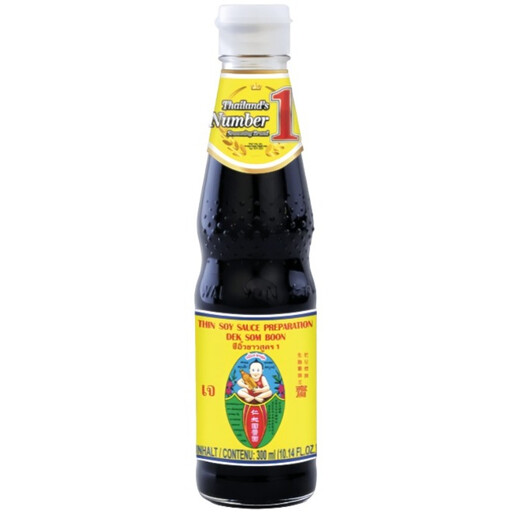
Why this fits the profile: The 300 ml size is manageable for anyone wanting to try Thai soy sauce for the first time without using large quantities.
The thinner variety is intended for stir-frying, soups, marinades and dips. Do check the label for sugar, flavour enhancers and allergens.
300 ml content; suitable for multiple everyday uses; origin and manufacturer are stated in the product information.
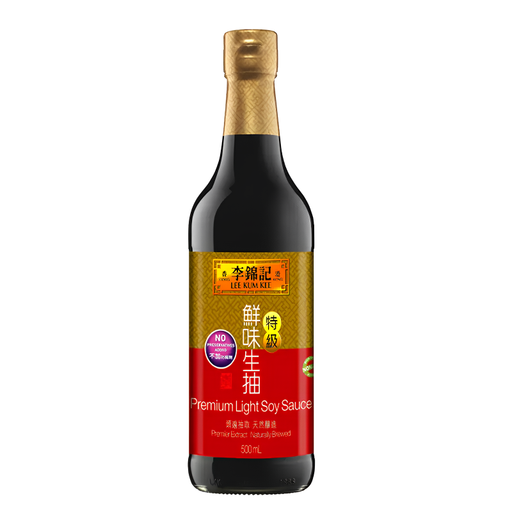
Why this fits the profile: According to the product description, this Chinese light soy sauce is intended for dipping, marinating and cooking, meaning one bottle can serve multiple functions in the kitchen.
The clear intended use prevents you from buying a dark sauce when you actually need an all-purpose seasoning. The salt content is stated as 18 grams per 100 ml.
500 ml content; ingredients include soya beans, wheat, salt, sugar and yeast extract; refrigeration recommended after opening.
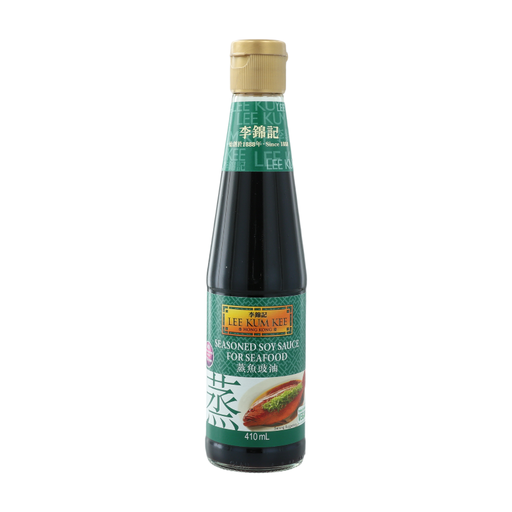
Why this fits the profile: This ready-to-use sauce is designed for steamed fish and seafood. You don't need to make a separate mix and can pour the sauce warm over your dish.
The use is specifically described, so you don't have to judge this sauce by general marketing terms. The product information states 12.75 grams of salt per 100 ml.
410 ml content; ready to use; suitable for fish, seafood and light preparations; originates from China.
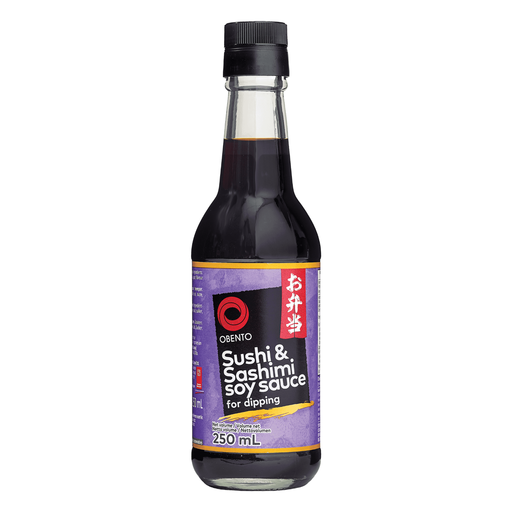
Why this fits the profile: According to the product description, this sauce is specially developed for sushi and sashimi. The small bottle is ideal for table use and smaller households.
You're choosing a table sauce rather than a large cooking bottle. The recommended way to use it is to pour a small amount into a separate dish for dipping sushi or sashimi.
250 ml content; intended for sushi and sashimi; nutritional information states 15 grams of salt per 100 grams.
We've put together a full, up-to-date list of products that fully meet these strict selection criteria and comply with current European safety regulations.
Light soy sauce is usually thinner and saltier, and is used for dipping, cooking, stir-frying and marinating. Dark soy sauce is often thicker, darker and sweeter. This variety mainly adds colour and extra depth to stews, noodles and marinades. Always check the ingredients, because recipes and compositions vary by brand.
Choose a product that clearly states it's intended for sushi and sashimi, such as Obento Sushi & Sashimi Soy Sauce. Serve the sauce in a small dish and use a limited amount. A regular Japanese soy sauce, such as Murasaki or Kikkoman, can also be used as a dip, but check the flavour profile and salt content.
Store an opened bottle according to the label. Keep the bottle in a cool, dry place away from direct sunlight and make sure it's tightly sealed. For some products, refrigeration after opening is recommended, especially if you want to keep the sauce for several months. Always check the best-before date and don't use a bottle if the packaging is damaged.
