
Vandaag of morgen in huis

Kwaliteit gegarandeerd

Welkomstaanbiedingen ontgrendelen: GRATIS bezorging | Tot 80% korting | Gratis 30 dagen JoyPlus-proefperiode
Download de app
Buying soft drinks might seem straightforward, but the range varies hugely in flavour, content, packaging and nutritional values. A striking fruit on the label doesn’t automatically mean there’s lots of fruit juice inside. Likewise, terms like “no added sugar” and “sugar-free” don’t mean the same thing.
If you’re planning to order soft drinks online, it’s worth checking three things first: the ingredients list, the nutritional information per 100 ml, and the size of the packaging. That way, you can avoid buying a large multipack that doesn’t suit how you drink, or choosing a fruit drink that tastes completely different from what you expected.
A tropical drink with mango, guava or passion fruit might mainly contain flavourings and sugar. So always check the percentage of fruit juice, purée or concentrate. For example, Maaza Guava Fruit Drink 330 ml states 16% guava juice from concentrate. I am Superjuice Pink Guava states 30% pink guava juice.
You’ll often notice this difference in taste, texture and price. A juice drink, a fruit drink and a fizzy soft drink are not automatically the same product.
Sugar-free soft drinks typically contain little to no sugar according to the nutritional table, but they may contain sweeteners. “No added sugar” does not mean the product contains no naturally occurring sugars.
For instance, Taksi Tropical Fruit Drink is labelled “no added sugar”, but according to the product information it contains sucralose and 2.4 grams of sugar per 100 ml. Wicky Mango Fruit Drink contains less than 0.1 grams of sugar per 100 ml and also uses sweeteners. So always check both the ingredients and the nutritional values.
A soft drink multipack often seems like good value, but work out the price per litre and check how many packs you actually need. A box of 24 soft drink cans of 330 ml is handy for parties or stocking up, but less suitable if you want to try different flavours.
For on-the-go, portions of 200 to 370 ml are more practical. For a family or office, a 1.5 litre pack can be more efficient, provided the bottle is kept chilled after opening.
Look at the first ingredients on the label. Water is often listed first, followed by fruit juice, purée, sugar, sweeteners or flavourings. For a fruit drink, the fruit percentage is a reliable starting point for your choice.
Also watch out for milk components. Taksi and g’woon Zappie combine fruit with dairy ingredients. Taksi states 40% milk components; g’woon Zappie Forest Fruits states 32% milk permeate. These products therefore won’t suit anyone deliberately looking for a dairy-free drink. If in doubt, always check the current packaging, as product recipes can change.
Compare nutritional values per 100 ml, not just per bottle or can. Fernandes Cherry Bouquet states 10.2 grams of sugar and 42 kcal per 100 ml. Jarritos Passion Fruit states 25 grams of sugar and 100 kcal per 100 ml. That difference is significant when you’re drinking several glasses.
With a sugar-free soft drink, also check which sweeteners are used. Sprite Zero Sugar lists acesulfame-K and aspartame and, according to the product information, contains 0 grams of sugar per 100 ml. The packaging also states that the product contains a source of phenylalanine.
Choose cans for fixed portions and easy storage. Glass bottles can work well for a meal or a special occasion, but they’re heavier and more fragile. 200 ml pouches are handy for school, on-the-go or a picnic.
Once opened, soft drinks or fruit drinks usually need to be kept chilled and used within the time stated on the product information. Store unopened products in a cool, dry place away from direct sunlight. Check the best-before information on the packaging, especially with larger multipacks.
The following selection is based on product type, content, nutritional values and packaging format. Brand claims about taste or origin are not independently verified; always check the label when you receive your order.
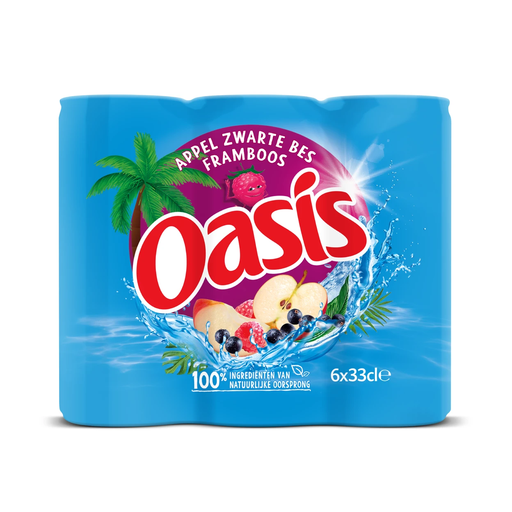
Why it fits this profile: A neat six-pack with 330 ml per bottle, ideal for trying a fruity drink first without committing to a large stock.
The product information states 12% fruit juice from concentrate and 7.4 grams of sugar per 100 ml. This lets you judge the flavour and composition more accurately than relying on the fruit image alone.
Blend of apple, blackcurrant and raspberry; six 330 ml portions.
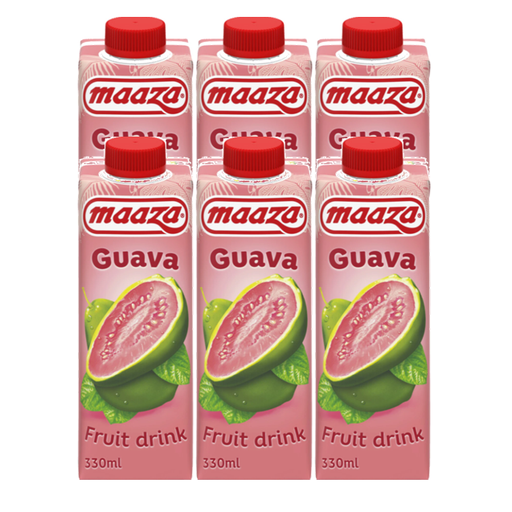
Why it fits this profile: For anyone after a distinctive exotic drink with guava purée and a recognisable, full fruit experience.
The label states 16% guava juice from concentrate, water and sugar. The composition is therefore clearer than a general claim like “tropical flavour”.
Six 330 ml bottles; 29 kcal and 6.9 grams of sugar per 100 ml according to the product information.
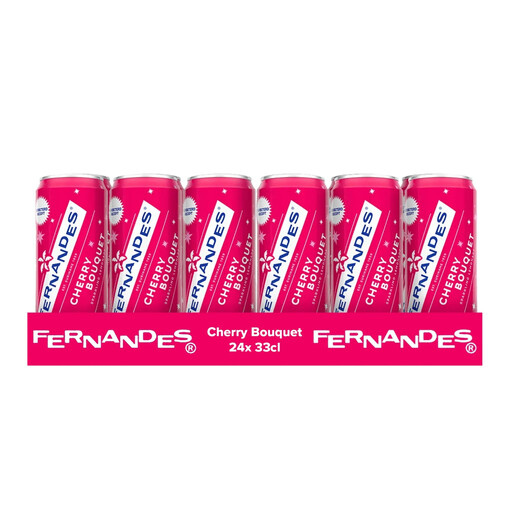
Why it fits this profile: A large stock of fizzy soft drinks for birthdays, clubs, the office or households where cans are regularly used.
The packaging and portion size are clear from the start: 24 cans of 330 ml. So you’re buying a fixed stock rather than individual packs with unclear contents.
24 slim cans; cherry flavour; 42 kcal and 10.2 grams of sugar per 100 ml according to the product information.
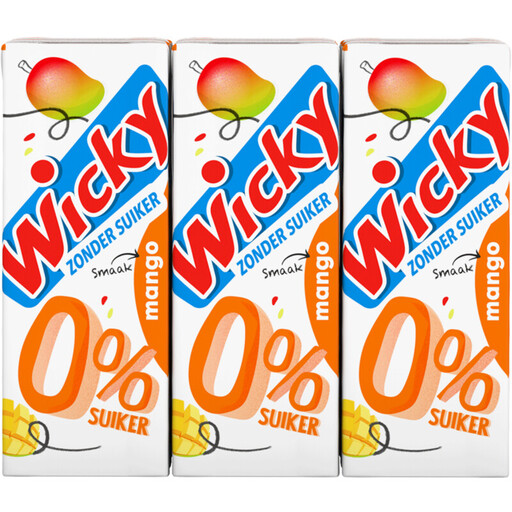
Why it fits this profile: Handy small portions for school, on-the-go or a lunchbox, when you don’t want to open a large bottle.
The product information states less than 0.1 grams of sugar and 1 kcal per 100 ml. The mango description sits alongside a concrete, small portion size.
Six 200 ml packs; contains vitamin C according to the label; uses sweeteners.
We’ve put together a full, up-to-date list of products that fully meet these strict selection criteria and comply with current European safety regulations.
Look for a small, resealable pack or a portion pouch. Sizes from 200 to 370 ml are usually easier to carry than a large bottle. After opening, check the storage instructions and keep a bottle or carton chilled if the label says so.
No. No added sugar means no sugar has been added to the recipe. The product may still contain naturally occurring sugars from fruit or milk. Sugar-free refers to the sugar content according to legal nutritional rules. So always check the table per 100 ml and the ingredients list.
That depends on the price per litre, the portion size and how much you actually use. A multipack with 24 soft drink cans can be practical for parties or stock management. For a household that likes to switch between flavours, smaller packs can be both financially and practically more sensible.
