
Vandaag of morgen in huis

Kwaliteit gegarandeerd

Welkomstaanbiedingen ontgrendelen: GRATIS bezorging | Tot 80% korting | Gratis 30 dagen JoyPlus-proefperiode
Download de app
Buying a new pair of headphones might seem straightforward, until you have to choose between wireless, wired, in-ear or over-ear. Marketing terms like “spatial audio”, “noise cancellation” and “long battery life” don’t always tell you what you actually need in practice. The right choice depends mainly on your daily use, comfort and the connections on your devices.
A wireless headphone may have a long stated playtime, but you also need to consider how it charges. A charging case is handy for earbuds, whereas an over-ear headphone is usually charged directly via USB-C. Also check whether the stated battery life applies with features like active noise cancellation turned on.
A headphone with noise cancellation can electronically reduce ambient noise, but the result varies depending on the design and fit. A poorly fitting in-ear headphone lets more sound in. With an over-ear model, the ear cushions, headband and seal all play an important role.
According to Apple, the AirPods Max with active noise cancellation can reduce background noise. That is a claim from Apple’s product information and not a guarantee that every sound will disappear completely. The transparency mode, on the other hand, is designed to keep ambient noise audible.
A USB-C headphone does not work automatically in the same way on every device. With wired models, support for audio via USB-C can vary between smartphones, tablets and laptops. Wireless models use Bluetooth, but check whether your device supports Bluetooth and whether features like multipoint are available.
A wireless headphone or Bluetooth headphone offers freedom of movement and is handy for travel, working from home and daily use. Pay attention to the Bluetooth version, the stated battery life and whether a charging case is included. Bluetooth 5.4, for example, is listed for the Anker P30i and Soundcore Liberty 4 Pro.
A wired headphone does not need an internal battery. That can be useful for long working days or when you don’t want to set up a connection. The Samsung EO-IC100 uses a USB Type-C connection and, according to the product specification, does not have Bluetooth.
Alongside weight, look at adjustability, the material of the ear cushions and whether the ear cups can swivel or fold. The Apple AirPods Max weighs 384.4 grams according to the product specification and is not foldable. That is relevant information if you often travel with a small bag.
For sports or cycling, an IP rating is more important than a general description like “suitable for on the go”. The Anker P30i has an IP54 rating, while the Soundcore Liberty 4 Pro is stated as IPX5 according to the product information. These ratings do not mean you can submerge the earbuds. Always check the usage limitations.
For a headset for calls and music, the number of microphones and their placement are useful points of comparison. The Anker P30i uses four microphones according to the product specification; the Soundcore Liberty 4 Pro has six. The final clarity also depends on wind, software and the environment.
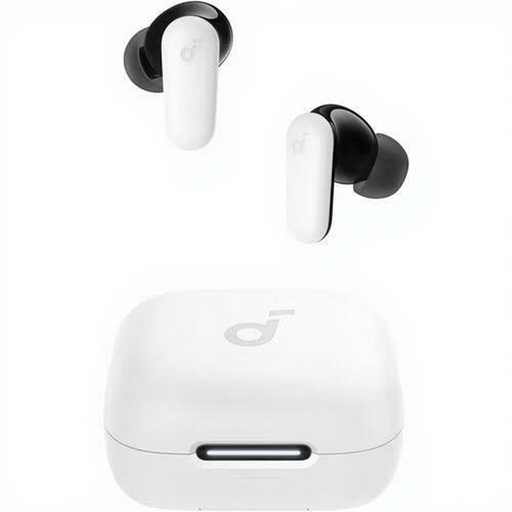
Why this fits the profile: This model combines wireless Bluetooth connectivity with a charging case and USB-C charging. It is suitable for daily calls, listening to music and commuting.
The product specification lists an IP54 rating, four microphones and up to 10 hours of playtime. Do check the fit and charging status before use.
Bluetooth 5.4, USB-C charging case, touch controls and four microphones.
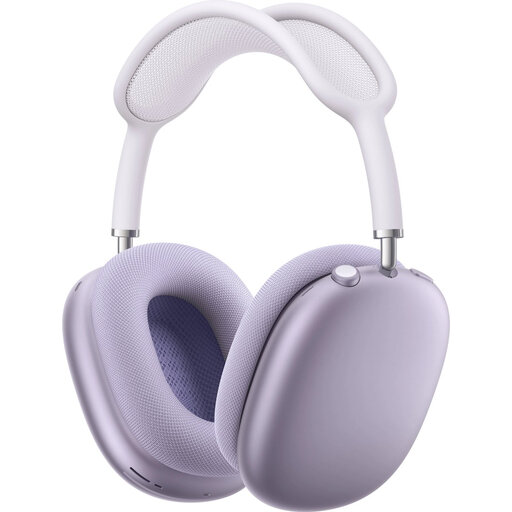
Why this fits the profile: This over-ear headphone is aimed at users who place great value on a closed design, Apple integration and active noise cancellation.
The specifications make it clear that the model is not water-resistant and is not foldable. That prevents a wrong choice for sports or compact travel.
Active noise cancellation, transparency mode, Bluetooth 5.0 and up to 20 hours of battery life according to the product information.
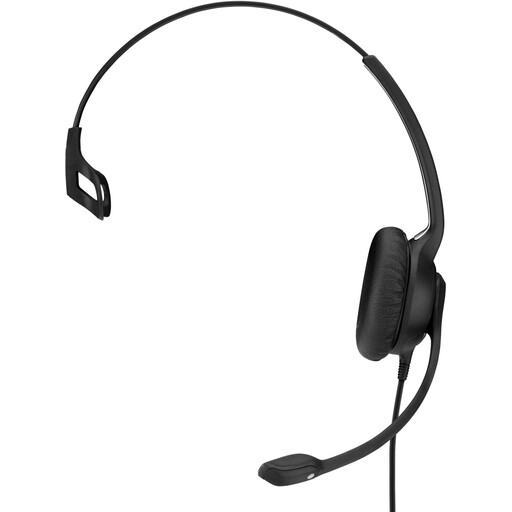
Why this fits the profile: This single-sided on-ear model is designed for office and contact centre use, with a long cable and call controls.
The USB 2.0 connection and 2.9-metre cable make charging unnecessary. However, the model is not intended for use in rain or during sports.
58 grams, flexible microphone arm, inline call control and extra ear cushions according to the product information.
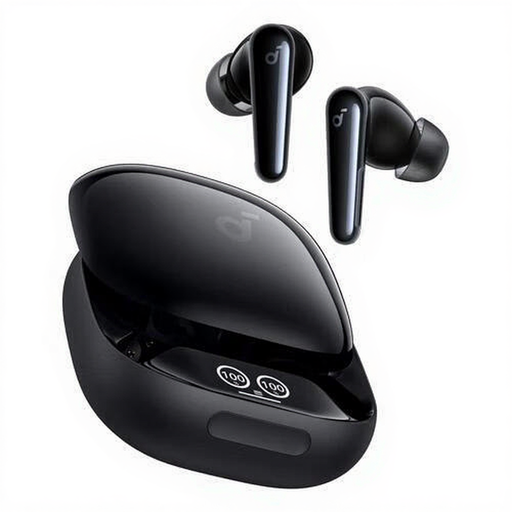
Why this fits the profile: These true wireless in-ear earbuds are designed for calls, music, sport and daily use. The charging case makes them easy to carry.
The IPX5 rating is more specific than a general sports claim. This means protection against water jets, not against submersion.
Bluetooth, six microphones, touch controls, extra ear tips and up to 10 hours of playtime according to the product specification.
We have put together a full, up-to-date list of products that fully meet these strict selection criteria and comply with current European safety regulations.
Yes, when the model has a suitable microphone and a stable Bluetooth connection. For long online meetings, a wired headset for calls and music can be more practical because you don’t need to charge a battery. Also check whether the headphone works with your laptop and meeting software.
The lifespan depends on use, storage and maintenance. With wireless models, the battery is an important component. Store earbuds in the charging case, keep connections clean and avoid exposure to water beyond the stated IP rating. A wired headphone has no battery, but the cable and connector can wear out over time.
A pair of wired earbuds does not need to be charged and does not use a separate charging case. This makes them practical as a backup or for a fixed workstation. Do check whether your smartphone or laptop has a USB-C connection with audio support. For a gaming headset, compatibility with PC, console and chat software is also important.
