
Livraison le jour même et le lendemain

Qualité garantie

Débloquez vos offres de bienvenue: Livraison GRATUITE | Jusqu'à -80 % | 30 jours d'essai gratuits à JoyPlus
Téléchargez l'application
Glass noodles are a handy staple to keep in your kitchen for hotpot, stir-fries, soups, salads and spring rolls. Yet the range on offer is often more complicated than it first appears. Under names such as vermicelli, mung bean vermicelli and glass noodles, you’ll find products made with different ingredients, textures and cooking methods.
So the right choice isn’t just about price. Pay close attention to the starch, the cooking time, the packaging and how you plan to use the noodles.
A see-through appearance doesn’t automatically mean it’s the same product. Mung bean vermicelli usually has a smooth, springy bite. Sweet potato noodles are typically thicker and firmer, making them suitable for Korean dishes and longer cooking.
Rice noodles can also be light and thin, but they have a different texture and soften more quickly. So always check the ingredients list rather than just the picture on the packet.
Many glass noodles made from mung bean, potato or sweet potato starch are marketed as gluten-free. But that doesn’t apply to every vermicelli. For example, Jing Xian Fang Glass Noodles contain 97% wheat starch and list wheat as an allergen. Bai Xiang Mung Bean Vermicelli contains wheat flour and mung bean flour.
If you’re following a gluten-free diet, always check the full packaging. The mention “may contain traces of” is also relevant. Product information can change; the label on delivery is what counts.
Thin Chinese glass noodles can turn limp if you leave them in hot water for too long. Thicker Korean glass noodles made from sweet potato starch usually hold their bite better, but they still need to be fully cooked.
Follow the cooking instructions and consider the dish. For a stir-fry, you can cook the noodles for slightly less time, as they’ll continue to absorb moisture and sauce in the pan. For soup or hotpot, a shorter preparation is often enough.
The base ingredient determines the texture and how you use it:
The nutritional values on the label are usually given per 100g of dry product. That’s not the same as the value per cooked portion, because the noodles absorb water during soaking.
Dried glass noodles have a long shelf life and take up little space. They’re practical for the store cupboard, but usually need soaking and cooking. Fresh vermicelli is quicker to prepare, but must be stored chilled or as directed on the packet.
Shirataki is often already packed in liquid. City Aroma Shirataki Fine Noodles state that the product can be used after rinsing and heating. So it’s not a direct swap for dried mung bean vermicelli.
For the occasional salad or spring rolls, 100g to 250g is practical. Families, hotpot enthusiasts and catering users are better off looking at 500g, 750g or 1kg. A large pack is only worthwhile if you store the noodles dry, cool and well sealed.
Also check the price per 100g. A small pack may look cheap, but a bulk pack can be more cost-effective if you use them regularly.
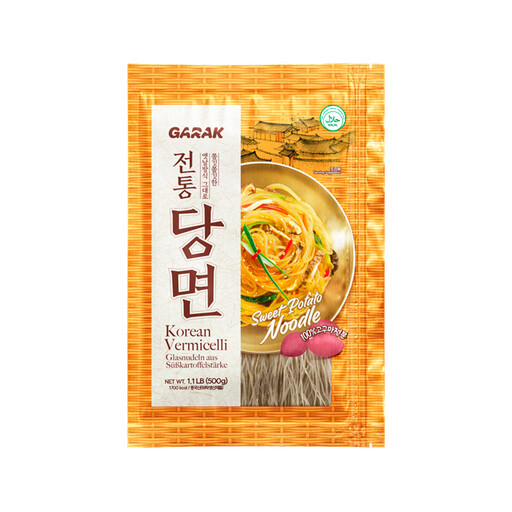
Why this fits the profile: A 500g pack gives you room to try out different dishes, from soup to salad and stir-fry.
The product information mentions specific uses and states that it contains none of the 14 main EU allergens. Check the label on delivery.
500g; suitable for stir-fries, soups and salads; store dry in a cool, dry place.
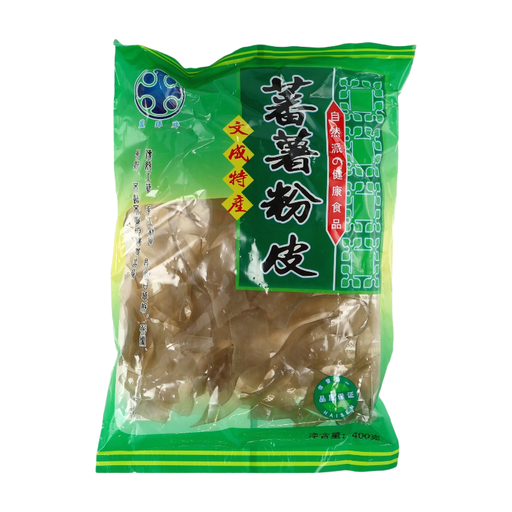
Why this fits the profile: The noodles are made from sweet potato starch and are intended for hotpot, sour and spicy noodles, and stir-fries.
The ingredients list is short: sweet potato starch and water. The preparation method calls for soaking or brief cooking, so you can control the bite more easily.
400g; sweet potato base; designed for dishes with broth, sauce or longer cooking.
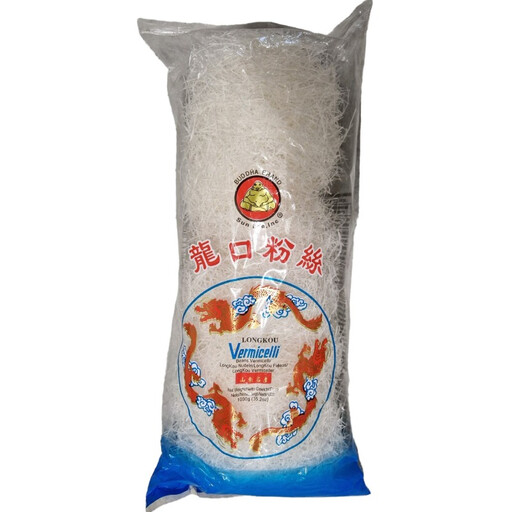
Why this fits the profile: The 1kg pack suits families, frequent home cooks and small catering kitchens that use glass noodles regularly for hotpot or stir-fries.
The packaging lists mung bean starch as the ingredient and gives clear uses. However, note the warning that traces of soya or gluten may be present.
1000g; mung bean starch; suitable for hotpot, soups, salads, spring rolls and stir-frying.
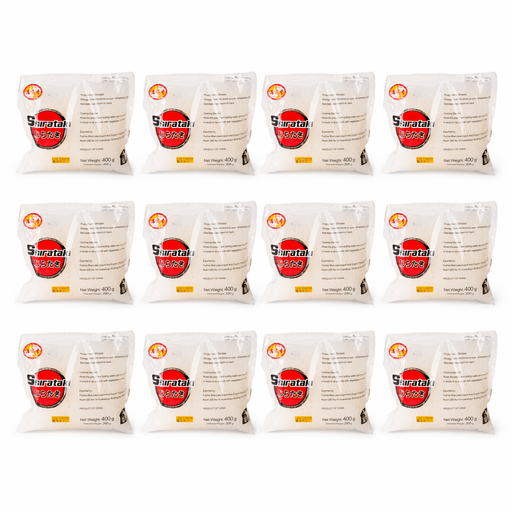
Why this fits the profile: These moist konjac noodles are quick to use in soup, salad or a stir-fry after rinsing and heating.
You don’t need to soak this product for a long time. The packaging states it’s ready after rinsing and heating; eating it raw is not recommended.
400g; made from konjac; according to the product information, 7 kcal per 100g and free from the 14 main EU allergens.
We’ve put together a full, up-to-date list of products that fully meet these strict selection criteria and comply with current European safety regulations.
Use a large bowl and plenty of water for dried glass noodles. Soak them according to the packet instructions and check the texture after a few minutes. For a salad or stir-fry, you can briefly rinse the noodles with cold water to stop them cooking further.
If the strands are very long, snip them with scissors before adding them to your dish. That makes them easier to toss. Add sauce gradually: glass noodles absorb a lot of liquid and can quickly make a dish dry.
Store unopened dried packs in a cool, dry place away from direct sunlight. Seal an opened pack tightly. Keep fresh or moist noodles as directed on the label and use them promptly after opening.
Not always. Glass noodles is a broad term for transparent noodles. Vermicelli can be made from mung beans, potato starch, sweet potato, rice or a blend. So check the ingredients and cooking method.
That depends on the type and thickness. Some dried products need around 15 to 20 minutes of soaking followed by a few minutes of cooking. Others need 20 to 30 minutes of soaking. Always follow the instructions on the packet and avoid letting the noodles go soft before they go into the pan.
Products based on mung bean, sweet potato or konjac starch can be gluten-free, but that’s not automatically true for every vermicelli. Wheat-based varieties also exist. Check the allergen information and the label, especially if you have coeliac disease or follow a strict gluten-free diet.
