
Vandaag of morgen in huis

Kwaliteit gegarandeerd

Welkomstaanbiedingen ontgrendelen: GRATIS bezorging | Tot 80% korting | Gratis 30 dagen JoyPlus-proefperiode
Download de app
A foundation can look perfect in the shop, only to turn out too yellow, too dry or too shiny once you get it home. So when you’re looking to buy foundation, it pays to look beyond a pretty shade name or a promise like “lasts all day”. The formula, finish, coverage and application method all work together to determine whether the product actually performs well for you.
In this buying guide, you’ll discover what to look for in a liquid foundation, cushion foundation, matte formula or hydrating foundation. We’ll also compare several popular choices based on verifiable product specifications.
A shade like Ivory, Porcelain or Sand can vary significantly from one brand to another. Don’t just focus on how light it is – pay attention to the undertone too:
These labels aren’t fully standardised. So always test a shade in daylight along your jawline, not just on your hand. A foundation for a light skin tone can still turn out too pink, yellow or grey.
A high-coverage foundation can do a better job of concealing redness and imperfections, but it often requires a thinner application and careful blending. For daily wear, light to medium, buildable coverage can look more natural and feel more comfortable.
According to the product description, the TIRTIR Mask Fit Red Cushion, for example, offers high, buildable coverage. That’s a brand claim, not a guarantee of the same result on every skin type. The final coverage also depends on how much product you use, the puff, the brush and your skin preparation.
A foundation with SPF can be an extra benefit, but the amount of make-up you apply is usually not the same as the amount of sun product used in SPF testing. So treat SPF in foundation as a top-up, and for sun protection always follow the instructions on a dedicated sun product.
A liquid foundation from a bottle or tube is handy when you want to build coverage precisely. A cushion foundation comes in a compact and is practical for quick touch-ups on the go. A cream foundation generally has a richer texture and can feel comfortable and nourishing.
For a foundation for oily skin, an oil-free formula and a matte finish might be features worth looking at. The Clinique Superbalanced Makeup Foundation CN62 Porcelain Beige is described in the product information as oil-free and suitable for combination and oily skin, among others. The Maybelline Fit Me Foundation 115 Ivory lists a matte finish, micro-powders and an oil-free formula.
A hydrating foundation sometimes contains ingredients like glycerine, niacinamide or hyaluronic acid. However, ingredients don’t tell you everything about how it feels to wear. Dry skin can benefit from a good moisturiser underneath, while oily skin may prefer fewer layers.
Choose your finish based on your daily preference:
Also look out for the terms light, medium, full or buildable. A buildable formula gives you more control than a product that leaves a heavy layer straight away.
Compare the volume in millilitres or grams. Many liquid foundations contain around 30 ml, while cushion products often come in at about 18 g. A cushion can be practical thanks to its packaging and puff, but how quickly you use it up varies from person to person.
Always check the ingredients list and any warnings. Fragrance or parfum may be relevant if you prefer to avoid scents. The packaging shows the shelf life, batch information and the period after opening. Stop using the product if irritation occurs and don’t apply foundation to broken skin.
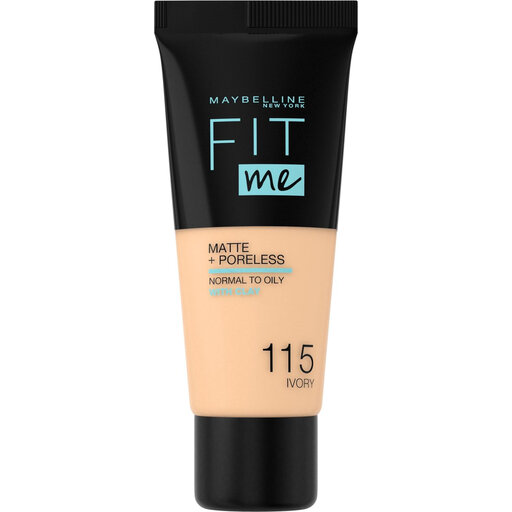
Why this suits the profile: The liquid formula offers light to medium coverage and, according to the product information, is designed for daily use. Shade 115 Ivory is aimed at a light complexion.
The light to medium coverage means you don’t have to apply a heavy layer for a simple everyday look. Just check whether 115 Ivory matches your undertone.
30 ml volume, liquid formula, matte finish and, according to the product specifications, oil-free and non-comedogenic.
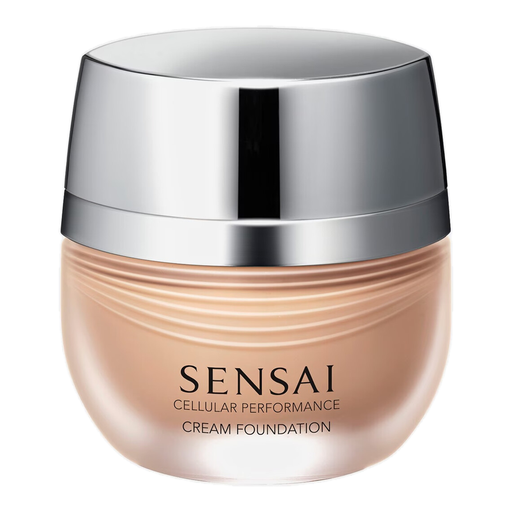
Why this suits the profile: According to the product specifications, this cream foundation has a moisture content of 50%, medium coverage, SPF 30 and a natural finish.
The shade, finish, coverage and SPF are all clearly stated. That means you don’t have to rely solely on general terms like radiant or nourishing.
30 ml, medium coverage, natural finish, SPF 30 and, according to the product specifications, vegan and fragrance-free.
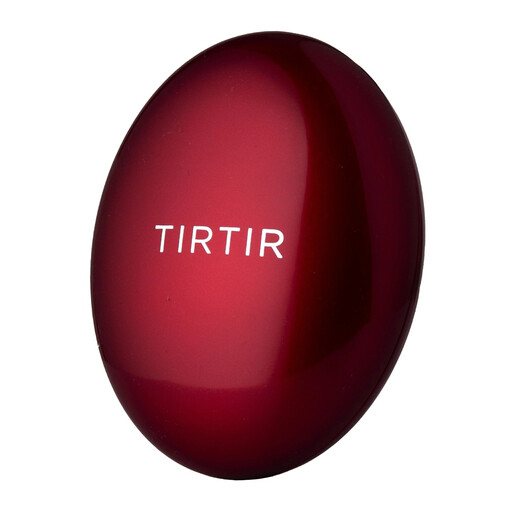
Why this suits the profile: The cushion packaging with puff is ideal for quick application and touch-ups. According to the product description, this version has SPF 40, a neutral 17N Vanilla shade and high coverage.
The puff makes it easy to control the amount: tap off any excess product first and build coverage in thin layers. This reduces the risk of applying too thick a layer.
Cushion format of 18 g, SPF 40, high coverage according to the product information and a supplied applicator.
We’ve put together a full, up-to-date list of products that fully meet these strict selection criteria and comply with current European safety regulations.
Look for the symbol on the packaging, such as 12M, and the manufacturer’s shelf-life information. Has the scent, colour, texture or performance changed? If so, stop using the product. Store foundation in a cool, dry place with the lid tightly closed.
A matte foundation with an oil-free formula can be a practical choice. Also consider the coverage you want: a thin layer of Maybelline Fit Me or a buildable formula may work better than several layers of heavy foundation. A good primer and a limited amount of powder can help you maintain a more natural result.
Not automatically. A cushion foundation is mainly convenient for quick application and touch-ups. The volume is given in grams and differs from the 30 ml that many liquid foundations contain. So compare the volume, how much you use each time, and whether you can buy a refill before judging the price.
