
Vandaag of morgen in huis

Kwaliteit gegarandeerd

Welkomstaanbiedingen ontgrendelen: GRATIS bezorging | Tot 80% korting | Gratis 30 dagen JoyPlus-proefperiode
Download de app
Crackers are perfect for breakfast, lunch, drinks and on the go. Yet packaging often looks more alike than the ingredients list would suggest. A product labelled “light”, “high in fibre” or “multigrain” isn’t automatically the right choice for your eating occasion. If you only look at the front of the pack, you could end up paying too much, picking the wrong flavour, or overlooking allergens.
This buying guide helps you compare crackers objectively based on ingredients, nutritional values, portion size and usage. That way, you’ll more easily find wholemeal crackers, rice crackers, seed crackers or other healthy snacks that suit your household.
The term “light” can refer to the weight, the thickness or an adjusted nutritional profile. Always check the nutritional information per 100g. According to the product details, Wasa Lightweight Crackers contain 338 kcal, 20% fibre and 60g carbohydrates per 100g. That’s a different composition than the name alone suggests.
Also look at the portion size. A thin cracker may feel light, but several pieces with toppings together make a complete snack or meal.
A multigrain product can contain several types of grain, but that in itself says nothing about the proportion of wholemeal flour. Check the ingredients list: is wholemeal flour listed first, or does the product mainly consist of refined flour and starch?
For the Wasa High-Fiber Crackers, the product description states 70g of whole grains per 100g and 26g of dietary fibre per 100g. These are verifiable facts that tell you more than a flashy claim on the front.
Rice crackers are crunchy and handy for on the go, but the flavour coating largely determines the nutritional value. According to the label, Dachixiong Rice Crackers contain 545 kcal, 31.2g fat and 11.9g sugars per 100g. WANT WANT Rice Crackers list 1.65g salt per 100g.
That doesn’t make these snacks unsuitable, but it does make them different from a neutral cracker for breakfast or lunch. So compare the flavour, portion packaging and nutritional value with the occasion you plan to eat them.
For people with an allergy or specific dietary preference, the ingredients list is decisive. Look out for:
Gluten-free snack alternatives aren’t automatically gluten-free just because they’re made from rice or maize. Always check the label and allergen information on the packaging.
For a fair comparison, use the values per 100g, not just the nutritional information per portion. Pay attention to:
According to the product information, TastyBasics Crackers Sunflower Seeds contain 35g protein and 10g fibre per 100g. The product also contains wheat and soya. So the combination of nutritional values and allergens determines whether this cracker is right for you.
A large pack is good value if you eat crackers regularly, but less practical if the contents go soft quickly. Look for:
The Dachixiong Rice Crackers are divided into four bags of 42g. According to the description, Lu Vitalu Multiseed Crackers contain 14 pieces in two resealable packs. That difference is noticeable in practice for families or if you don’t eat crackers every day.
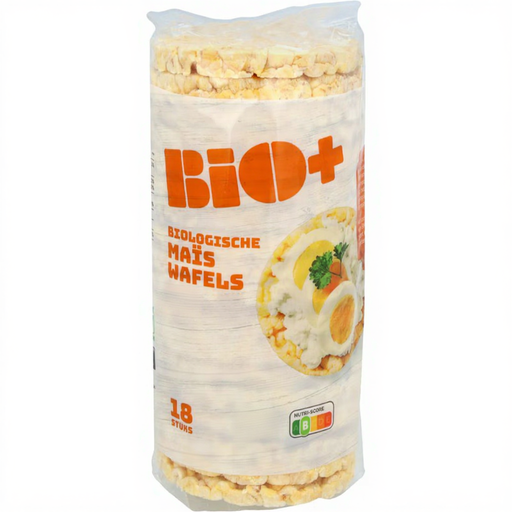
Why this fits the profile: A simple choice for anyone looking for light corn crackers with sea salt who wants multiple portions at home.
The ingredients list is short: maize and 0.3% sea salt; according to the description, the maize ingredients are organic. Check the actual packaging at the time of purchase.
18 pieces per pack, neutral base and suitable as a standalone snack or with toppings.

Why this fits the profile: For anyone looking for a sturdy wholemeal base for breakfast or lunch and who carefully compares nutritional values.
The product information states 70g of whole grains per 100g and 26g of fibre per 100g, so your choice is based on concrete figures.
Rye and wheat flour, oat flakes, 13g protein and 1.1g salt per 100g.
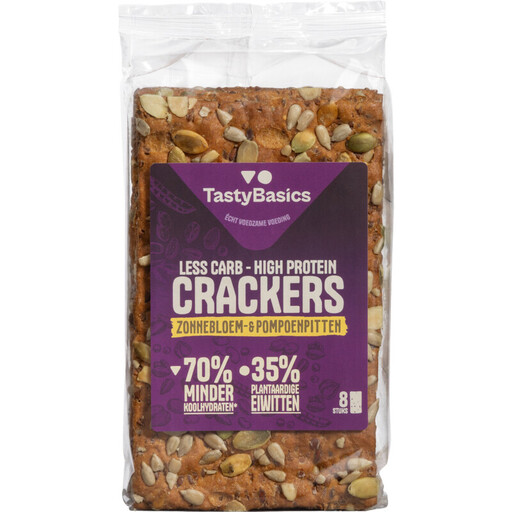
Why this fits the profile: Handy for active consumers or anyone looking for a compact, sturdy cracker with seeds and a high protein content.
The product information states per 100g: 35g protein, 10g fibre and 14g carbohydrates. At the same time, the product contains wheat, soya and possibly milk and sesame.
Eight crackers of 25g, with sunflower and pumpkin seeds, linseed and no added sugars according to the product description.
For a milder flavour, the Bolletje Light Whole Grain Crackers are worth considering: the product information states 100% wholemeal wheat flour and 15g fibre per 100g. If you’re looking for spelt crackers, you can compare the Bolletje Light Spelt Crackers; according to the label, these contain 11g fibre and 14g protein per 100g.
For drinks or a snack in between, Wasa Delicate Crackers Paprika and Wasa Delicate Crackers Sea Salt are practical savoury options. The paprika variety states 6g fibre and 2g salt per 100g; the sea salt variety has 5.4g fibre and 1.8g salt. If you prefer Asian flavours, you can choose rice crackers with seaweed or salted egg yolk, but check the salt, fat and allergens extra carefully.
We’ve put together a full, up-to-date list of products that fully meet these strict selection criteria and comply with current European safety regulations.
Wholemeal crackers, rye crackers and multigrain crackers provide a neutral base for savoury or sweet toppings. Compare fibre, salt and portion size in particular. For a complete lunch, the toppings and other foods also play a role.
Store crackers in a cool, dry place away from direct sunlight. Seal the packaging tightly after each use. Individual sachets or resealable packs help when you’re using the product slowly.
Not always. Rice crackers can contain soya sauce, wheat or other gluten-containing ingredients. So read the allergen information on the packaging and only choose a product where gluten-free is clearly stated if that’s essential for you.
