
Vandaag of morgen in huis

Kwaliteit gegarandeerd

Welkomstaanbiedingen ontgrendelen: GRATIS bezorging | Tot 80% korting | Gratis 30 dagen JoyPlus-proefperiode
Download de app
A conditioner can make your hair softer and easier to comb through, but not every product is right for every hair type. If you buy conditioner without comparing, you could end up paying for a formula that weighs your hair down, doesn't provide enough care, or isn't suitable for colour-treated hair. When making the right choice, you need to look beyond the promises on the front of the bottle and focus on hair type, ingredients, how to use it, and the amount you're getting.
Words like "restorative", "intensive" and "hydrating" sound appealing, but they don't always tell you which hair type the conditioner is designed for. Fine hair often benefits from a lightweight formula, while dry or frizzy hair can handle more nourishing ingredients. So check whether the product is intended for dry hair, damaged hair, colour-treated hair or all hair types.
A 450 ml bottle might seem like good value, but that advantage disappears if you need to use a lot of product or the formula doesn't work well with your hair. Compare the amount per pack and the recommended dosage. A value pack, such as six 440 ml bottles, is particularly practical if you use the product regularly and keep an eye on how long it lasts after opening.
A brand might claim that a conditioner makes hair stronger, reduces frizz or helps colour last longer. That's a brand claim, not a universal result. According to the brand's own research, such results may have been achieved under specific conditions. So also look at verifiable details, such as the ingredients list, the type of formula, the amount and the instructions for use.
First, choose your main goal:
A hydrating conditioner focuses on softness and moisture, while a restorative conditioner is usually chosen for dry, treated or damaged hair. The terms sometimes overlap; the ingredients list gives you extra information.
If you're looking for a silicone-free conditioner, you need to check the current ingredients list. Silicones such as dimethicone and amodimethicone can make hair feel smooth, but they don't suit everyone's personal hair care routine. Fragrances can also be relevant if you're sensitive to perfume.
A keratin conditioner often contains hydrolysed keratin or a keratin complex. That doesn't automatically mean damaged hair is permanently repaired. Think of it as a cosmetic care choice that can make hair feel temporarily softer, smoother or easier to comb through.
Also look out for product claims such as vegan, paraben-free or sulphate-free. Always check these features on the product page and packaging, because formulas can change.
A regular conditioner is rinsed out after a few minutes. A leave-in conditioner stays in the hair and is practical when you want to detangle quickly or need extra care. Apply both types mainly from the mid-lengths to the ends. The scalp usually needs less conditioner, especially with fine hair or a root area that gets greasy quickly.
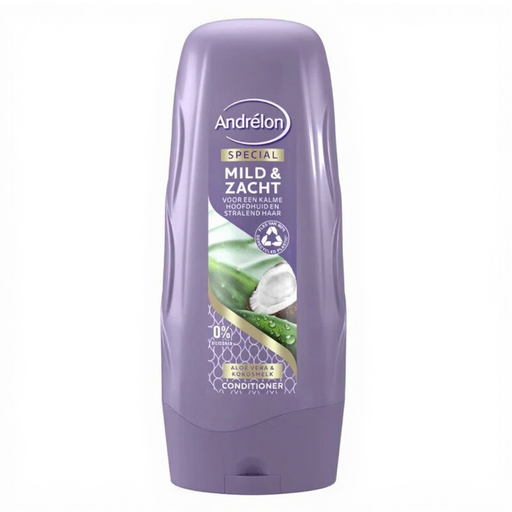
Why this fits the profile: A simple hair conditioner for daily use and for households where a product for all hair types is wanted.
The product details state a content of 300 ml, suitability for all hair types and a silicone-free formula. This allows you to compare purposefully rather than just looking at marketing words.
Stated as suitable for all hair types; 300 ml bottle; silicone-free according to the product information.
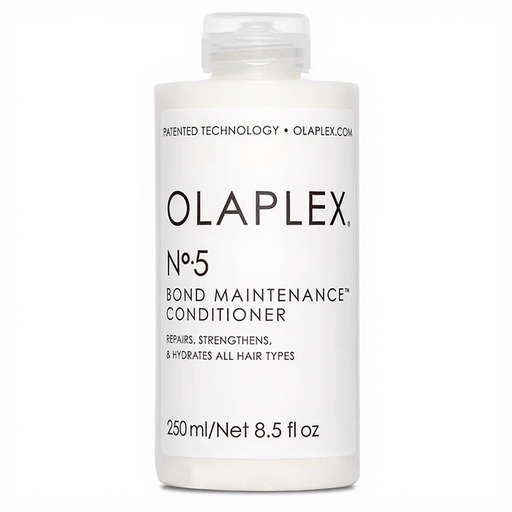
Why this fits the profile: Suitable for adults with different hair textures, including colour-treated or chemically treated hair, according to the product information.
The product description mentions a formula for hydration and care for all hair types. Do check the current packaging, because the product information provided lists different ingredients lists.
250 ml content; intended for all hair types; product line for colour-treated hair mentioned.
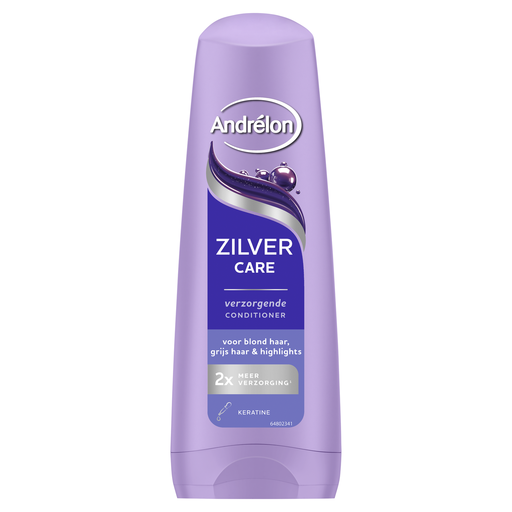
Why this fits the profile: Targeted at blonde, grey and highlighted hair where colour care is an important part of the routine.
The product description explicitly mentions blonde, grey and highlighted hair. This makes its purpose clearer than a general conditioner for all hair types.
Contains hydrolysed keratin according to the ingredients list; 200 ml; intended for blonde, grey and highlighted hair.
Apply a rinse-out conditioner to damp hair after washing. Distribute the product from the mid-lengths to the ends, leave it on for a few minutes and rinse thoroughly. With a leave-in conditioner, use a small amount on towel-dried hair and do not rinse out.
If you have fine hair, start with a small amount. With dry or curly hair, a more generous amount can feel good. Avoid contact with the eyes and always follow the current instructions on the packaging. Stop using it if irritation occurs.
We've put together a full, up-to-date list of products that fully meet these strict selection criteria and comply with current European safety regulations.
For normal, dry or frizzy hair, you can use conditioner after every wash. With fine hair, less product is often enough. Adjust the frequency based on how heavy or light your hair feels after rinsing.
Check the packaging for the shelf life and the period after opening, often indicated by an open-jar symbol such as 6M or 12M. Store the bottle tightly closed, in a dry place away from direct sunlight. The exact period varies by product.
The cost depends on the purchase price, the amount in the bottle and how much you use per wash. Divide the price by the number of millilitres to compare packs. A multi-pack is only better value if you use the conditioner regularly and finish the entire contents within the stated usage period.
