
Vandaag of morgen in huis

Kwaliteit gegarandeerd

Welkomstaanbiedingen ontgrendelen: GRATIS bezorging | Tot 80% korting | Gratis 30 dagen JoyPlus-proefperiode
Download de app
At first glance, coconut milk seems simple: you pick a tin or carton, add it to your dish and you’re done. But there are clear differences in fat content, packaging, ingredients and ease of use. If you only look at the front of the pack, you might end up paying for a size that doesn’t suit your household or choosing a variety that’s too thin for a curry.
The most common pitfalls:
The coconut content affects the flavour, texture and how you use it. Aroy-D Original Coconut Milk, for example, states 70% coconut extract, water and an emulsifier. The nutritional information shows 19g of fat per 100ml. That makes this Thai coconut milk a good choice for dishes where you want a distinct coconut taste and a firm base.
Green Life Coconut Milk states 5-7% coconut extract and 5g of fat per 100ml. This makes it a lighter option for soups, smoothies, desserts or recipes where other flavours take centre stage. So don’t just compare the volume of a pack – also compare the nutritional values per 100ml.
A higher fat content doesn’t automatically mean a product is better for every recipe. For a hearty curry, a fuller texture can be lovely; for a smoothie or light sauce, a milder version may work better.
Coconut milk in a tin (400ml) is ideal for one curry, soup or dessert recipe. You’re less likely to have leftovers, and it’s easy to measure out the amount you need. Green Life is available as a single 400ml pack or as a pack of 4.
A 1-litre coconut milk is practical for families, meal preppers and anyone who cooks Asian food regularly. Mae Ploy Blue Coconut Milk UHT comes in a 1-litre carton. According to the product description, this UHT version can be stored unopened outside the fridge, as long as you follow the instructions on the pack.
Smaller packs, such as Aroy-D Coconut Milk Original in a multipack with individual portions, are handy when you only need a small amount per recipe. They reduce the risk of an opened pack sitting in the fridge for days.
Coconut milk is naturally plant-based, but always check the label. If you’re looking for vegan coconut milk or lactose-free coconut milk, check the ingredients and allergen information. The Aroy-D, Green Life and Mae Ploy products mentioned here are described in the product information as vegan or free from the 14 major EU allergens. Always check the current packaging before you buy, because recipes and labels can change.
A stabiliser or emulsifier isn’t automatically a problem. It can help keep the water and coconut solids well mixed. If a short ingredients list matters to you, compare the labels of each product rather than choosing by brand name alone.
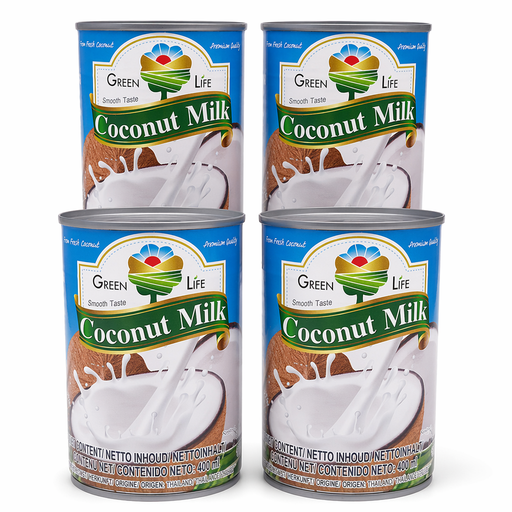
Why it suits this profile: Four 400ml portions are easy to manage if you want to try different recipes without opening a large carton straight away.
The multipack means you don’t have to open a litre pack for every recipe. The stated fat content of 5-7% makes comparison easy.
400ml per pack; according to the product information, it’s vegan, lactose-free and gluten-free.
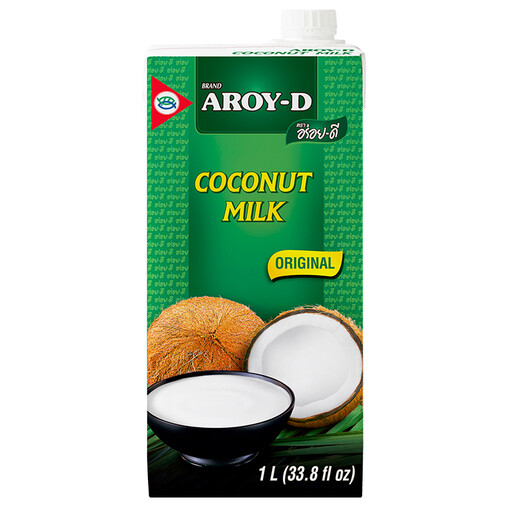
Why it suits this profile: The 1-litre pack and the stated 70% coconut extract suit home cooks who want a pronounced base for Thai dishes.
The ingredients and nutritional values are listed, so you don’t have to rely on the word “creamy” alone.
1,000ml volume; 70% coconut extract; suitable for vegan and vegetarian diets according to the product information.
Why it suits this profile: The litre carton is practical for regular cooking, baking, smoothies and desserts in a household with multiple users.
The UHT pack can be stored unopened outside the fridge according to the product information. Always check the label and best-before date after purchase.
1 litre volume; UHT processed; according to the product information, free from dairy and artificial colours.
We’ve put together a full, up-to-date list of products that fully meet these strict selection criteria and comply with current European safety regulations.
Store unopened coconut milk in a cool, dry place, away from direct sunlight and heat. Do not use a damaged pack. Once opened, coconut milk should generally be kept sealed in the fridge. Always follow the time stated on the label.
Before use, the coconut fat may have separated and risen to the top of the pack. Shake the carton or stir the contents well. Use coconut milk for curries, Tom Kha, sauces, rice dishes, smoothies and desserts. In a dessert or baking recipe, the flavour can come through more strongly, so choose a variety whose coconut content suits the recipe.
No. The name and composition vary from product to product. Coconut cream often contains a higher proportion of coconut solids and therefore has a thicker texture. Check the coconut percentage and nutritional values when you want to make a curry or dessert with a firm texture.
That depends on the product. Store opened coconut milk in the fridge and use it within the period stated on the pack. Smell and look at it before use, but rely mainly on the official storage and usage instructions on the label.
Many varieties are plant-based and contain no lactose. According to the available product information, this applies to several of the coconut milk products mentioned. However, always check the current ingredients and allergen information before you buy coconut milk, especially if you have an allergy or follow a strict diet.
