
Vandaag of morgen in huis

Kwaliteit gegarandeerd

Welkomstaanbiedingen ontgrendelen: GRATIS bezorging | Tot 80% korting | Gratis 30 dagen JoyPlus-proefperiode
Download de app
Buying body lotion seems simple enough – until you’re faced with dozens of options promising “intensive hydration”, “72-hour moisture” or “skin barrier repair”. These descriptions don’t always tell you how a lotion actually feels on the skin or whether it’s right for you.
So, watch out for three common pitfalls:
For a body lotion for dry skin, ingredients such as glycerine, shea butter, oils, dimethicone and petrolatum are key. They help the skin retain moisture or give a nourishing feel. A lotion with a light texture is suitable for daily use; a richer body cream works better on rough areas like knees, elbows and heels.
For a body lotion for sensitive skin, it’s wise to check the ingredients list for perfume and known fragrance allergens. A fragrance-free body lotion doesn’t automatically contain no substances that could cause a reaction, but it does avoid added fragrance as a potential irritant. Always test a new product on a small area of skin first and follow the usage and safety information on the packaging.
If you enjoy wearing a scent, you can opt for a scented body lotion. Byredo Blanche is described as having a fresh fragrance profile with white rose, sandalwood, neroli, pink pepper and musk. Fresh Sugar Lychee, according to the product information, uses a fruity lychee scent.
If you’d rather avoid fragrance in your body care, look at products like MUJI Sensitive Skin Body Lotion, A-DERMA Exomega Control or Vaseline Advanced Repair. Always check the current packaging again: formulas can change, and the ingredients list on the product itself is what counts.
A 400 ml body lotion is practical if you use a lot of product every day or need a bottle for the whole family. A pump dispenser, like the one on NIVEA Express Body Lotion, can be handy in the bathroom. Smaller 200 to 250 ml bottles are easier to take with you or a good choice if you want to try a formula first.
Also consider:

Why this fits the profile: A generous 400 ml bottle for daily use, with aloe vera and a light formula that, according to the product description, absorbs quickly.
The description mentions a non-greasy texture and fast absorption. Do check whether the fresh scent suits your preference.
400 ml, aloe vera, suitable for dry skin according to the product information, and a fast-absorbing formula.
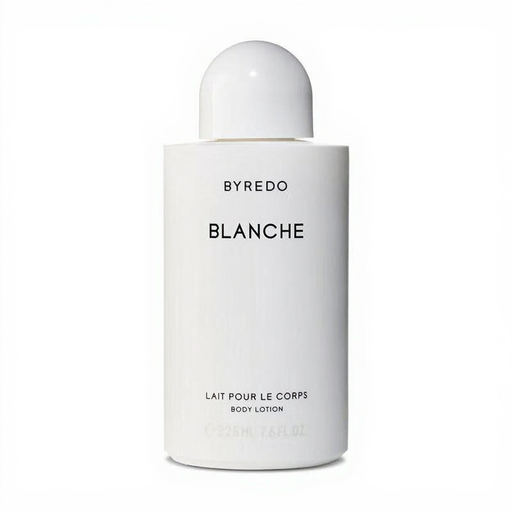
Why this fits the profile: For those who want to combine body care with a refined, fresh scent and a creamy lotion texture.
The scent is clearly described, so you’re not relying on a vague term like “fresh”. Don’t choose this if you want to avoid fragrance.
225 ml, fragranced, described as rich in texture and fast-absorbing.
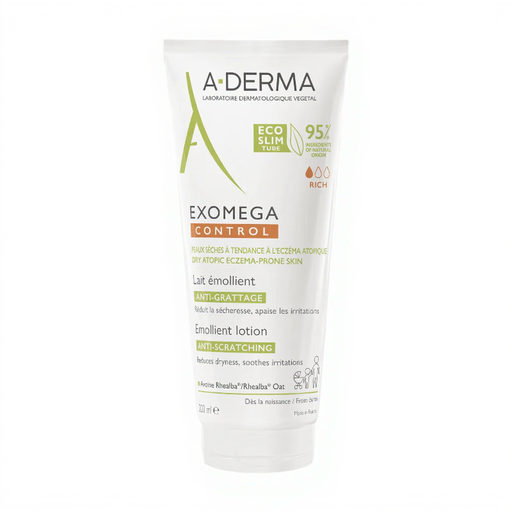
Why this fits the profile: A fragrance-free lotion for dry, sensitive skin, with a fluid texture for daily use on both body and face.
The product information states no fragrance and a non-sticky, non-greasy texture. Stop use if irritation occurs and follow the packaging instructions.
Fragrance-free, 200 ml, with oat extract according to the product description, and suitable for daily use.
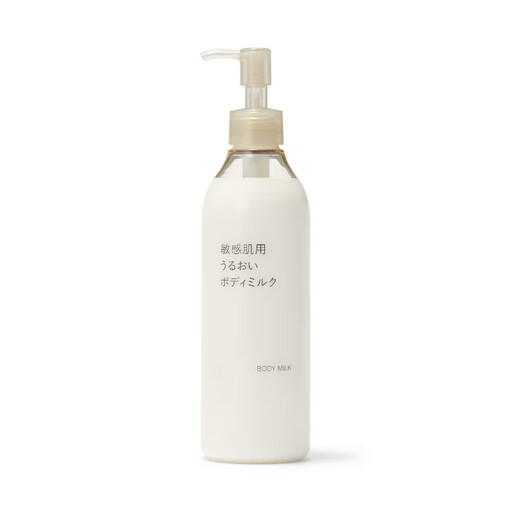
Why this fits the profile: An unscented option for those looking for simple body care without colourants, mineral oil, parabens or alcohol, according to the product information.
The product features are clearly specified. “Hypoallergenic” does not, according to the product information, rule out an individual reaction.
300 ml, no fragrance, mild pH and ceramide according to the product description.
We’ve put together a full, up-to-date list of products that fully meet these strict selection criteria and comply with current European safety regulations.
Apply lotion to clean skin, ideally after a shower while your skin is still slightly damp. Spread the product evenly and pay extra attention to dry areas. An intensive hydrating body lotion doesn’t need to be applied thickly; a thin, regular layer is often more comfortable for daily use.
Do not use body lotion on broken or damaged skin unless the packaging explicitly says it’s safe. Avoid contact with the eyes and stop using it if you experience redness, itching or irritation. If skin problems persist, seek advice from a doctor or pharmacist.
Look for a formula with moisturising and nourishing ingredients such as glycerine, shea butter, oils, dimethicone or petrolatum. For very dry patches, a richer body cream may be more comfortable than a thin lotion. Also check whether you want fragrance or not.
Fragrance-free can be a practical choice if you want to avoid scent ingredients. It doesn’t mean every user will automatically tolerate the product well. Read the full ingredients list, test carefully and follow the warnings on the packaging.
Check the packaging for the expiry date or the symbol indicating the period after opening. Close the bottle after use, store the lotion in a dry place away from direct sunlight, and don’t use it if the scent, colour or texture has clearly changed.
