
Vandaag of morgen in huis

Kwaliteit gegarandeerd

Welkomstaanbiedingen ontgrendelen: GRATIS bezorging | Tot 80% korting | Gratis 30 dagen JoyPlus-proefperiode
Download de app
Choosing a backpack might seem straightforward – until you realise the size isn’t right, the shoulder straps dig in, or your laptop has nowhere safe to go. Marketing often focuses on a stylish look, plenty of pockets or a lightweight design, but those features don’t always tell you enough about how it actually performs day to day.
Three common pitfalls keep cropping up:
The right choice therefore depends mainly on how you’ll use it every day. A black backpack for the office needs something different from a lightweight backpack for trail running.
Don’t just look at the number of litres – also consider the external dimensions and the internal layout. A 20-litre backpack is often suitable for daily essentials, a packed lunch, clothing and accessories. For school or commuting, 22 to 24 litres can be more practical if you also carry A4 documents or sports kit.
Look out for these points:
A larger capacity isn’t automatically more convenient. A backpack that’s too roomy can become unnecessarily heavy when you fill it every day.
If you’re looking for a work backpack or laptop backpack, it’s worth comparing your laptop size with the internal space. According to the product information, the Eastpak Out Of Office has a padded laptop compartment for most devices up to 14 inches. The PUMA Academy Backpack states a maximum compatible device size of 18.7 inches. Always check your own laptop’s dimensions in centimetres too, because screen sizes don’t always reflect the total external size.
A backpack with a laptop compartment is more practical when:
Polyester and polyamide are widely used in sporty and everyday models. According to the product information, the Salomon Cross 12 uses 100% polyamide with a polyester lining. The PELLIOT models are made from grid polyester and have an adjustable harness. Leather models need different care: a leather backpack shouldn’t go in the washing machine and is best cleaned with a soft, dry cloth.
Also check:
Reflective details increase visibility according to the product description, but they don’t replace lighting or other traffic safety measures.
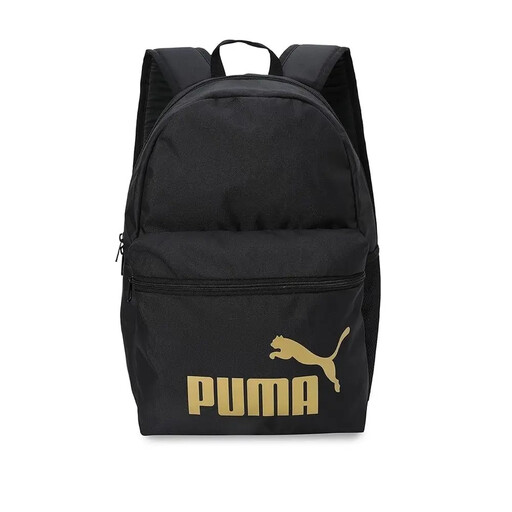
Why this fits the profile: The 22-litre capacity and combination of a main compartment, front pocket and side pocket provide a clear, basic layout for school, work or sport.
The product information lists specific dimensions and capacity, so you can better match the space to your daily essentials.
22 litres, padded back panel, adjustable shoulder straps and, according to the product information, at least 90% recycled materials.
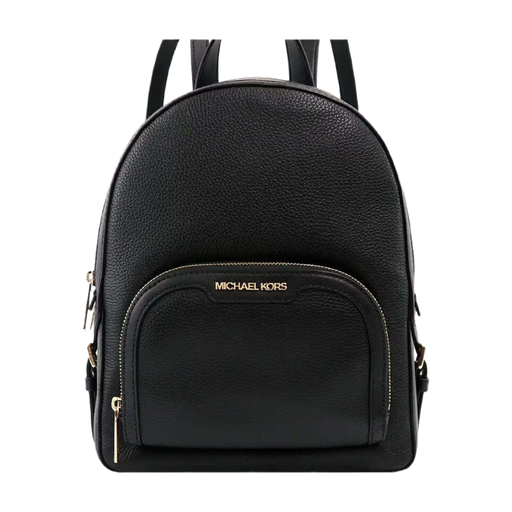
Why this fits the profile: This black women’s backpack is designed for urban use, combining a leather exterior with an organised interior layout.
The dimensions of 22.22 × 30.48 × 10.79 cm make the carrying capacity more concrete than a general description like “medium”.
100% textured leather according to the product information, two compartments, adjustable straps and internal zip and slip pockets.
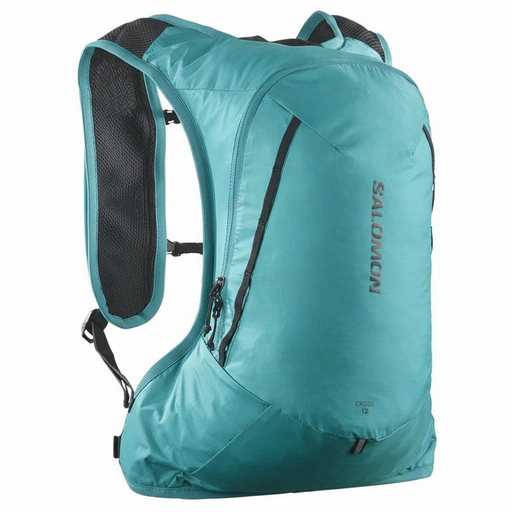
Why this fits the profile: According to the product information, this hiking backpack and trail running backpack is designed for day trips and intensive outdoor sports, with a 12-litre capacity.
The double chest straps and padded back panel are concrete carrying features; just check beforehand whether the fit suits your body.
12 litres, polyamide outer material, pockets for drinks bottles and compatibility with a 1.5-litre hydration system; bottles are not included.
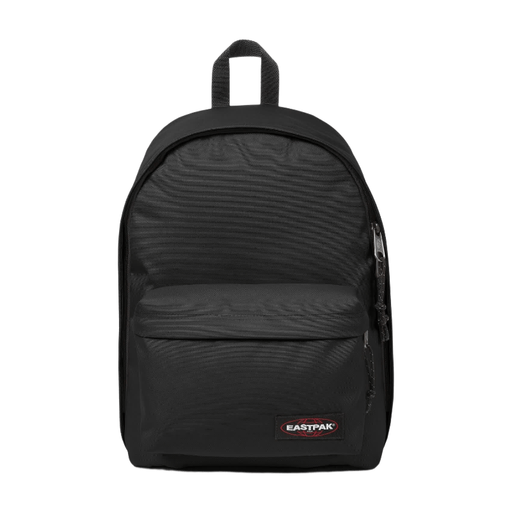
Why this fits the profile: This unisex backpack is made for the office, study and travel, offering space for A4 documents and a laptop up to 14 inches according to the product information.
The laptop compartment and internal organisers make the layout easy to check. Compare your own laptop dimensions with the stated size.
Polyester outer fabric, padded back panel, adjustable shoulder straps and a recommended maximum load of 10 kg according to the product information.
We’ve put together a full, up-to-date list of products that fully meet these strict selection criteria and comply with current European safety regulations.
For daily use, around 18 to 24 litres is usually practical. Go for around 18 litres if you only need to carry lunch, accessories and a thin jumper. If you’re taking a laptop, documents and sports kit, you’ll generally be better off with 20 to 24 litres. Always check the dimensions and the internal layout.
Compare the maximum laptop size with the external dimensions of your device. Also look for a padded compartment, secure closure and enough room for the charger. A laptop backpack with a separate compartment keeps your equipment more organised, but doesn’t guarantee protection against damage from drops or knocks.
Gently wipe a leather backpack with a soft, dry cloth. Avoid prolonged moisture, direct heat and harsh cleaning products. Always follow the manufacturer’s care advice. Fabric models can sometimes be cleaned with a slightly damp cloth, but even then, submerging them isn’t always allowed.
