
Vandaag of morgen in huis

Kwaliteit gegarandeerd

Welkomstaanbiedingen ontgrendelen: GRATIS bezorging | Tot 80% korting | Gratis 30 dagen JoyPlus-proefperiode
Download de app
A backpack might seem simple to choose, until you use it every day. A main compartment that’s too small, shoulder straps that rub, or a zip that’s awkward to open – you only notice these things once the bag is in use. Marketing terms like “durable”, “laptop-ready” or “ergonomic” also tell you very little when concrete dimensions, materials and compartment layouts are missing.
So pay particular attention to these three common pitfalls:
Don’t just look at the dimensions – also look at the capacity in litres. A compact children’s backpack is suitable for small items and a light school day. For sports kit or a work day, you’ll need more capacity.
As a guide:
Also check the size of the main compartment. A school backpack with a two-way zip is often easier to open fully than a bag with a narrow top opening.
A backpack with a front pocket makes small items accessible without having to empty the main compartment. A mesh side pocket can be suitable for a water bottle, while an internal tech compartment is intended for a laptop or tablet.
Pay attention to the wording in the product information. “Suitable for laptop” is not the same as a protective laptop compartment with a stated size. If you’re looking for a laptop backpack, it’s a good idea to compare the dimensions of your device with the available space.
Polyester, coated canvas and material with a polyurethane coating are common for backpacks. Check whether the bag can be cleaned with a damp cloth and whether wet items need to be removed immediately. This prevents unnecessary wear to the lining.
For everyday use, adjustable shoulder straps are important. Padded straps and a padded back panel can improve carrying comfort, but the experience varies from person to person and depends on the load. A reflective detail is practical for children who cycle to school or sport in the dark.
When it comes to claims about recycled materials, the product specification is the relevant source. For the PUMA models mentioned below, the product information states that at least 90% of the materials used are recycled. That is a product specification, not a guarantee about the total environmental impact of the bag.
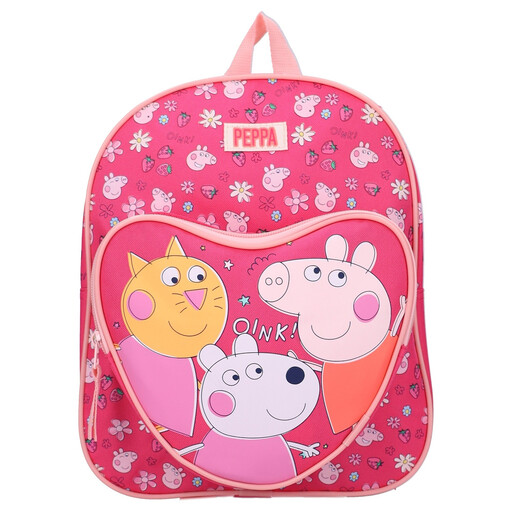
Why this fits the profile: This cheerful children’s backpack is designed for school, outings and everyday use. The design featuring Peppa and her friends appeals to young children.
The adjustable shoulder straps help you tailor the fit. The front pocket stops small items from constantly disappearing into the main compartment.
Cheerful Peppa Pig design, adjustable straps and a practical front pocket.
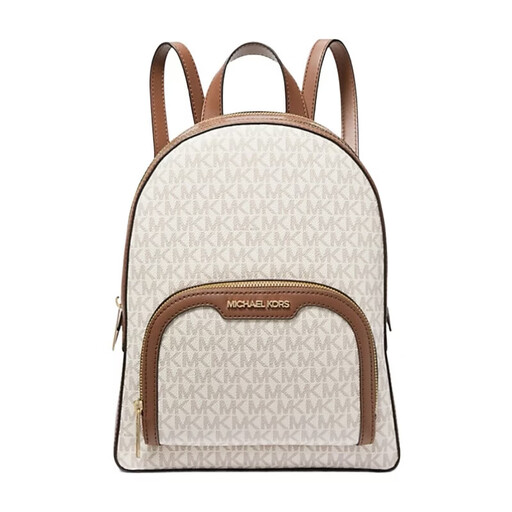
Why this fits the profile: This women’s backpack is suited to commuting, city use and travel. The design combines coated canvas with leather-look accents and gold-toned hardware.
The bag has an internal tech compartment, a rear zip pocket, an open internal pocket and a closable front pocket. This makes the layout more specific than just a large main compartment.
Dimensions of approximately 30.5 × 38 × 17.8 cm, tech compartment and multiple internal pockets.
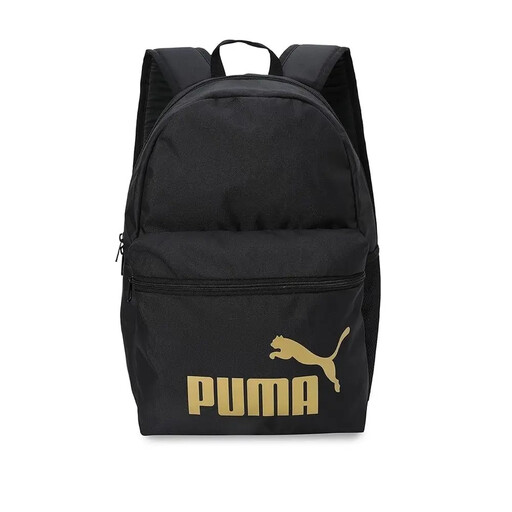
Why this fits the profile: This sporty backpack is aimed at adults and older children who combine school, work and sport. The 22-litre capacity offers room for everyday items and clothing.
The capacity is specified at 22 litres. It also has a front zip pocket, a mesh side pocket and a two-way opening for the main compartment.
Dimensions of 44 × 30 × 14 cm, padded back panel and at least 90% recycled materials according to the product information.
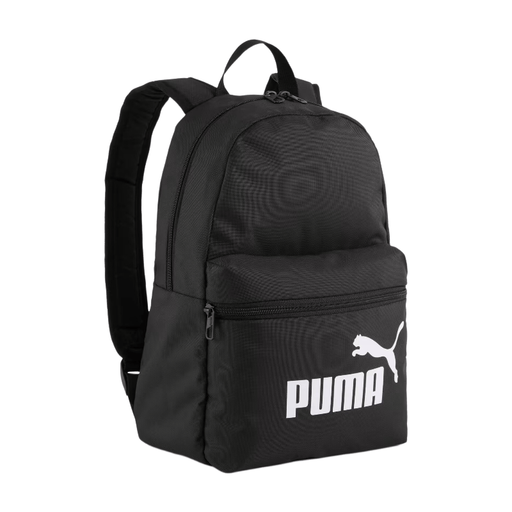
Why this fits the profile: With a capacity of 13 litres and dimensions of 12 × 25 × 37 cm, this model is tailored to children who need a compact school or sports bag.
The small size prevents a child from carrying an unnecessarily large bag. The front pocket, adjustable padded straps and padded back panel are practical for everyday use.
Reflective detail, 13-litre capacity and at least 90% recycled materials according to the product information.
We’ve put together a full, up-to-date list of products that fully meet these strict selection criteria and comply with current European safety regulations.
That depends on the child’s age, school supplies and activities. For a young pupil, around 10 to 15 litres may be enough. Older children and teenagers often need more space for books, lunch and sports kit. Always compare the dimensions with what needs to go in it every day.
Follow the manufacturer’s care instructions. For the PUMA models mentioned, cleaning with a damp cloth is recommended and the use of detergent is advised against. Remove wet items immediately and let the bag dry completely before storing it.
No. Check the size of the internal tech compartment and compare it with the width, height and thickness of your laptop. A backpack with a tech compartment provides a space for a device, but doesn’t in itself tell you how much protection or padding is present.
