
Vandaag of morgen in huis

Kwaliteit gegarandeerd

Welkomstaanbiedingen ontgrendelen: GRATIS bezorging | Tot 80% korting | Gratis 30 dagen JoyPlus-proefperiode
Download de app
Buying household products online may seem straightforward, but a low price or prominent product claim does not always tell the full story. A package may promise a high number of washes, while the dosage per load varies considerably. A cleaning spray may appear suitable for every room, yet still carry warnings relating to skin, eyes or ventilation.
This practical buying guide helps you compare products based on contents, usage, materials, safety and cost per use. That way, you can find what best suits your household, from laundry detergent and detergent pods to a microfibre mop, nappies and a first-aid kit.
A box containing 50 laundry pods may look like good value, but always check how many kilograms of laundry one pod is designed for. For example, the ochama Laundry Pods contain 40 pods weighing 10 grams each. According to the product description, one pod is intended for approximately 4 to 6 kg of laundry. Larger or heavily soiled loads may require a different dosage; follow the instructions on the label.
With liquid detergent, compare the number of washes, not just the number of litres. At Home Color Liquid Detergent contains 1.5 litres and states that it provides up to 42 washes. This figure depends on the recommended dosage and the level of soiling.
Claims such as “deep cleaning”, “long-lasting freshness” or “leakage protection” depend on how the product is used, the wash programme and individual circumstances. Base your decision on verifiable information:
A brand’s own research may support certain performance claims, but this information should not be confused with a general guarantee for every household.
Do not automatically use a bathroom cleaner on natural stone or untreated wood. A microfibre mop may be suitable for smooth surfaces, but first check your floor manufacturer’s care advice. According to the product information, the Bruynzeel Mold & Stain Remover contains, among other ingredients, sodium hypochlorite and sodium hydroxide. Ventilation, wearing gloves and avoiding contact with the eyes and skin are important precautions.
A drain unblocker containing sodium hydroxide is also a hazardous household product. Never mix different cleaning products and always follow the label instructions.
The simplest comparison is:
price ÷ stated number of washes = price per wash
Then check whether the products use the same conditions. A pod intended for 4–6 kg is not directly comparable with liquid detergent calculated for a specific dosage of 35 or 55 ml.
Larger packs can be convenient for families, but only if you have enough dry storage space and can keep the product out of children’s reach.
With a microfibre mop, dimensions and attachment determine how easy it is to use. The Konges Sløjd Micro Fiber Mop measures 50 × 60 cm, weighs 120 grams and comes in three packs containing one cloth each. According to the product description, the cloth attaches to the mop with hook-and-loop fasteners and is machine-washable at 60°C. Do not use fabric softener if you want to preserve the absorbency and cleaning performance described in the product instructions.
Also check whether the mop is suitable for your floor. “Smooth surfaces” may include tiles, for example, but wooden floors may require additional care measures.
For nappies, wound care and a first-aid kit, size, contents, sterile packaging and expiry information matter more than price alone.
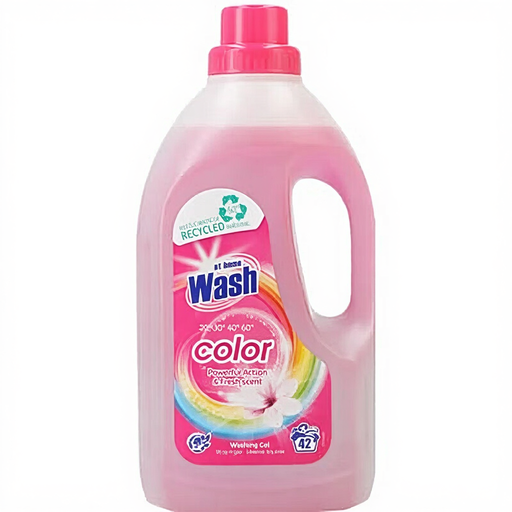
Why it is a good fit: A practical choice for households that want to dose liquid detergent for everyday coloured laundry.
The packaging states that it provides 42 washes and includes a dosing cap. Compare usage with other bottles instead of looking only at the volume.
1.5 litres, up to 42 washes and suitable for machine and hand washing according to the product description.
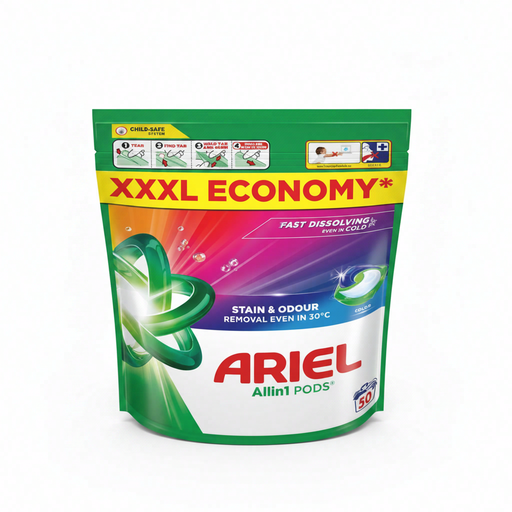
Why it is a good fit: Convenient for anyone who prefers not to use a dosing cap and regularly washes coloured laundry.
According to the instructions, place the pod directly in the drum before adding the laundry. Keep the capsules sealed and out of children’s reach.
50 capsules, intended for one wash per capsule according to the product information and suitable from 30°C according to the stated specifications.
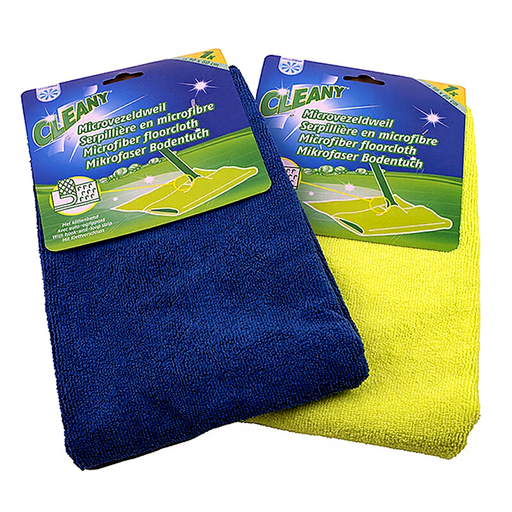
Why it is a good fit: Suitable for anyone who wants to use a washable cloth on tiles and other smooth surfaces.
Check your floor manufacturer’s care advice beforehand. Wash the cloth at 60°C according to the label and avoid fabric softener if it could affect the fibres’ performance.
Measures 50 × 60 cm, features a hook-and-loop attachment and comes in three separate packs according to the product details.
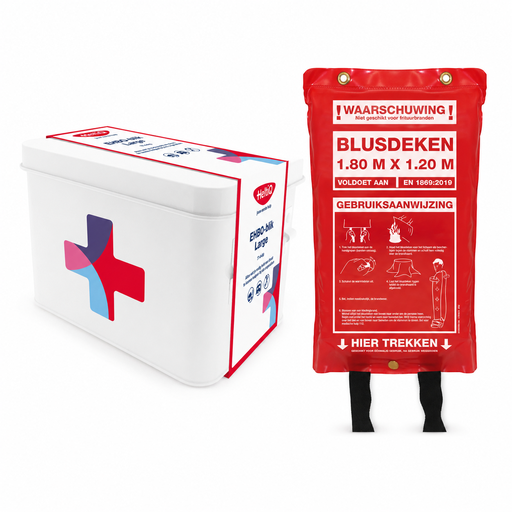
Why it is a good fit: A convenient combination for households that want to keep a fire blanket and basic supplies for minor injuries in one designated place.
Use the blanket only for small, contained fires and check the expiry dates of individual first-aid items. The kit is not a substitute for professional assistance.
A 1.80 × 1.20 metre fire blanket and a first-aid box containing 77 items according to the product description.
For mixed colours, colour catcher sheets can be practical. According to the product information, At Home Colour Catcher contains a colour-trapping polymer and provides 12 washes. The packaging carries warnings about skin irritation and harm to aquatic organisms; follow the label instructions and dispose of used sheets in accordance with local regulations.
At Home Washing Cloths Black are intended for one cloth per wash of dark laundry. If you prefer scented fabric softener, Dreft Blue Harmony states that it provides 38 washes. Fabric softener is not suitable for every type of textile, particularly when towel absorbency is important.
Other practical categories include:
Browse a current selection of products that match these practical buying criteria and the information provided on the label.
That depends on the price per use, the dosage and the amount of laundry you do. Divide the price by the stated number of washes. Also check whether one pod or strip is suitable for your drum capacity and the level of soiling.
Follow the shelf-life or usage information on the packaging. For first-aid products, regularly check sterile packaging and expiry dates. Store cleaning products in a cool, dry place out of children’s reach. An opened product may have different instructions from an unopened package.
Check the contents, dimensions, instructions for use, warnings, ingredients and delivery information. For care products, also check the size or intended application. This helps you avoid buying an attractively priced product that is not suitable for your household.
