
Vandaag of morgen in huis

Kwaliteit gegarandeerd

Welkomstaanbiedingen ontgrendelen: GRATIS bezorging | Tot 80% korting | Gratis 30 dagen JoyPlus-proefperiode
Download de app
Household paper products might seem simple to compare: look at the number of rolls or packs, pick an attractive price and place your order. However, differences in ply thickness, sheet size, material and packaging can have a big impact on the cost of use. A large pack isn’t automatically good value if the sheets are small or tear easily.
This guide helps households, families, offices, students and party organisers compare toilet paper, kitchen roll, facial tissues, wet wipes and other paper consumables with confidence.
A pack of 32 rolls sounds more generous than a pack of 18 rolls, but the number of plies, the weight per roll and the sheet dimensions all matter too. With bulk-buy toilet paper, it’s wise not to look solely at the unit price. Also check:
A pack with fewer rolls can work out similar in use to a larger pack when the rolls are thicker or bigger.
Soft toilet paper is pleasant for daily use, but softness doesn’t automatically tell you anything about strength or dissolvability. Facial tissues are also not designed to be flushed down the toilet. Always check the product information and the instructions on the packaging.
With wet wipes, extra care is needed. “Flushable” is a product claim; suitability also depends on your local drainage system. If in doubt, used wipes belong in the bin.
Terms like “natural”, “eco” or “biodegradable” can mean different things. Look for concrete information, such as paper packaging, wood pulp, FSC certification or the material of disposable plates. According to a brand’s product description, a claim about softness, absorbency or skin-friendliness doesn’t automatically mean it works the same for everyone.
The number of plies is a practical point of comparison. 3-ply tissues are often suitable for daily nose-blowing, wiping hands and light household use. 4-ply tissues offer a thicker structure according to some brands’ product descriptions. 5-ply toilet paper is usually chosen for extra thickness and a larger sheet.
Don’t just focus on the number of plies. A large sheet can be more efficient than several small ones. With kitchen roll, a handy sheet size is also relevant: smaller, tear-off sheets can reduce waste when you only need to clean a small surface.
Many products in this category use wood pulp or virgin pulp. For facial tissues, an unscented option can be a practical choice for households that prefer to avoid fragrance. Scented tissue products contain added fragrance; check the ingredients if someone in the home has a sensitivity.
Household paper products are not medical devices. Use facial tissues, wet wipes and toilet paper according to their intended purpose, and stop using them if irritation occurs.
Paper absorbs moisture. Store toilet paper, tissue paper and kitchen roll in a dry place, ideally not directly next to a shower or sink. Paper packaging can be convenient for storage and reduces plastic use, but check that the packaging stays dry during transport and storage.
Biodegradable paper plates can be practical for parties, barbecues and picnics. Before buying, check the diameter, the number of pieces and the material information stated. Dispose of used plates according to your local waste rules; “biodegradable” doesn’t automatically mean they belong in your general food waste.
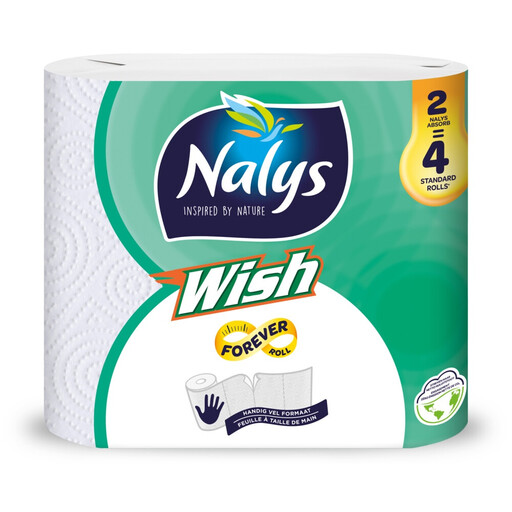
Why this fits the profile: The compact double rolls are designed for everyday kitchen tasks and take up less space than four standard rolls, according to the product description.
The product information states a handy sheet size and less waste on small cleaning jobs. Do compare the current price and roll quantity before ordering.
Paper packaging, compact double roll and, according to the product description, a combination of strength and softness.
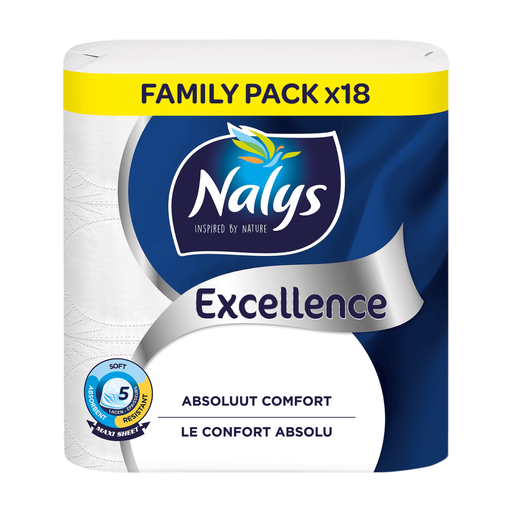
Why this fits the profile: If you particularly care about ply thickness and larger sheets, this 5-ply toilet paper product comes in a pack of 18 rolls.
The product description specifically mentions the ply thickness, larger sheets and paper packaging. Always check local flushing guidance before use.
5 plies, maxi sheets and 18 rolls; ideal for shoppers who weigh up thickness and a generous supply.
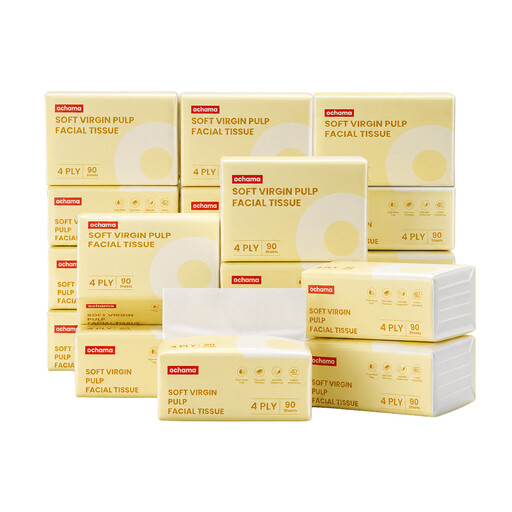
Why this fits the profile: The stock of 20 packs, each with 90 sheets, suits families, offices and households with high daily usage.
The number of packs, the sheet count and the 4-ply construction are clearly stated in the product information. These tissues should not be flushed without checking first.
4 plies, 1,800 sheets in total and, according to the product description, suitable for dry and damp use in different rooms.
We’ve put together a full, up-to-date list of products that fully meet these strict selection criteria and current European safety regulations.
Alongside toilet paper and tissues, there are other paper consumables you can select by situation:
That depends on the total quantity and your usage. Calculate the price per roll, per sheet or per 100 sheets. Also check the ply thickness and the weight per roll. A bulk pack is especially practical if you have enough dry storage space and use the product regularly.
Dry paper generally doesn’t have a short shelf life, but moisture, heat and direct sunlight can affect quality. Store opened packs and rolls in a dry place and seal wet wipes after use. Always check the label for any best-before or usage information.
No. Facial tissues, kitchen roll and ordinary tissues are generally not designed for that. Only use a product where flushing is explicitly stated, and take your local drainage system into account. When in doubt, put used paper in the bin.
