
Vandaag of morgen in huis

Kwaliteit gegarandeerd

Welkomstaanbiedingen ontgrendelen: GRATIS bezorging | Tot 80% korting | Gratis 30 dagen JoyPlus-proefperiode
Download de app
A clean home doesn't start with a cupboard full of products, but with tools that suit the task at hand. Yet many households buy cleaning items that end up gathering dust after just a few weeks. The problem often lies in marketing claims, unclear materials, or the wrong size.
This guide will help you compare household cleaning products with purpose in mind. From microfibre cloths and washing-up sponges to keyboard cleaners and personal care items, here are the key pitfalls to watch out for.
A cloth or sponge that works on a worktop isn't automatically suitable for a screen, lacquered cabinet, or non-stick coating. A rough pan scourer, for example, can cause scratches. Always check what the product is designed for according to the description.
Use separate cloths for:
A pack containing lots of cleaning wipes or sponges may look attractively priced. However, the cost per use is more important than the number of items. Reusable cleaning cloths can work out cheaper if they are washable and retain their texture. Pay attention to the washing instructions: some microfibre cloths should not be washed with fabric softener or bleach.
Words like "antibacterial", "biodegradable" or "10x cleaning power" don't automatically mean a cloth is suitable for every situation. For Dettol Wipes Power & Fresh Ocean, the product information states a claim about removing 99.9% of bacteria. According to the brand's product information, that claim applies within the stated product and usage context. So always follow the label, check the ingredients, and don't use wipes on surfaces they aren't intended for.
For everyday dust and light soiling, microfibre cloths made from polyester and polyamide are practical. A dry cloth can pick up dust; a damp cloth is often better for grease and stains. Also consider the size. A cloth measuring 30 × 40 cm is suitable for general household use, while a smaller cloth fits more easily in a hand or bag.
With a cleaning brush, the material and shape determine ease of use. Nylon bristles and a PP handle are common specifications. A long handle keeps your hands further from water and soap, while a short handle gives you more control. Always check whether the brush is suitable for the coating on pans and cookware.
A large cloth covers a table or mirror more quickly, but is less handy for small surfaces. For kitchen cleaning, a washing-up brush, washing-up sponge and pan scourer are useful for different tasks. In the bathroom, narrow brushes are handy for grout, edges and taps.
For electronics, a compressed air duster or keyboard cleaner is particularly useful when you want to remove dust from crevices without using a wet product. Look for adjustable speeds, attachments, battery life and charging method. Don't direct a powerful air stream at delicate components for too long, and switch off devices before cleaning them.
Rinse brushes after use and leave them to dry in a ventilated area. Wash microfibre cloths according to the label and don't use fabric softener if the manufacturer advises against it. Keep cleaning products and wipes out of reach of children.
For personal care products, there are additional points to consider. A facial cleansing powder with enzymes, such as Kanebo Suisai Beauty Clear Pink Powder Wash, should be kept away from the eyes according to the product information. If you have sensitive skin, a patch test is recommended. Stop using it if irritation occurs and consult a doctor if symptoms persist. This is not a medical assessment, but a practical safety measure based on the product information.
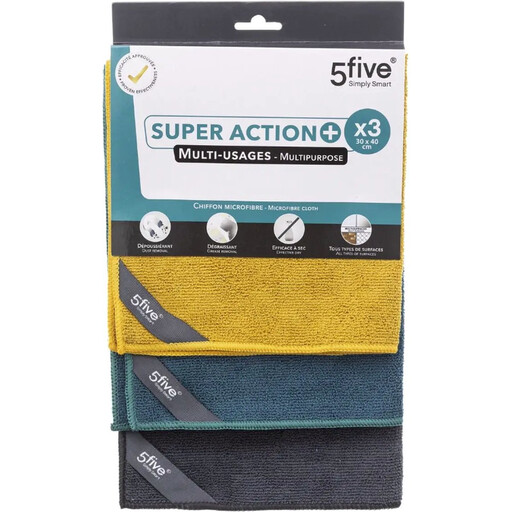
Why this fits the profile: A compact set for students, first-timers and households who want to use different cloths for the kitchen, bathroom and general surfaces.
The set contains three cloths in different colours, so you can easily use colour-coding for separate areas.
Three pieces, size 30 × 40 cm and a composition of polyester and polyamide.
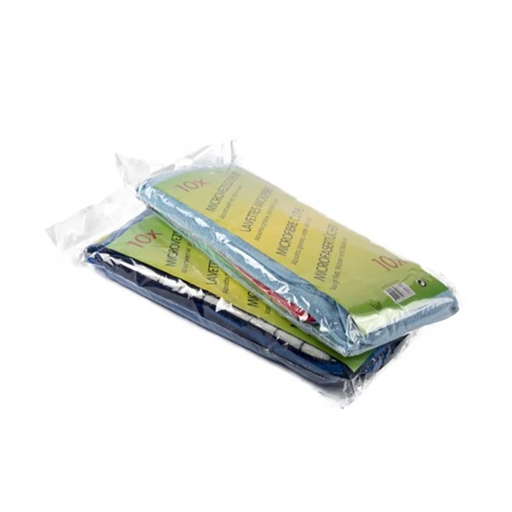
Why this fits the profile: A family or cleaning enthusiast gets multiple reusable cloths for rotation between the kitchen, bathroom, glass and electronics.
According to the product description, the cloths are reusable and suitable for multiple surfaces; washing and air-drying help keep usage organised.
Ten microfibre cloths for household use, kitchen cleaning, bathroom cleaning, glass and electronics.
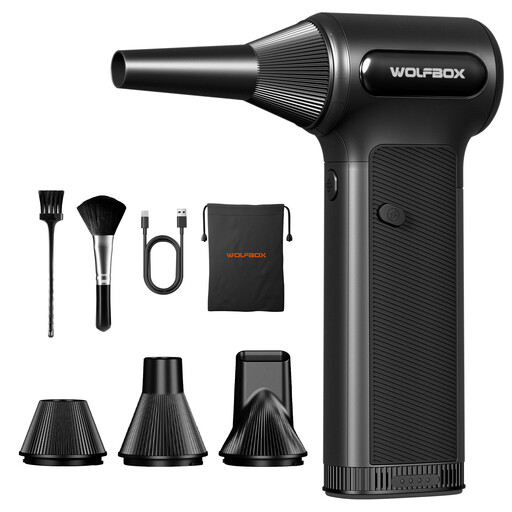
Why this fits the profile: Ideal for anyone who regularly needs to dust keyboards, computers, cameras, car interiors or other hard-to-reach spots.
The set uses a rechargeable blower with four nozzles and two brushes, so you're less reliant on disposable compressed air cans.
Three speeds, removable battery, USB-C charging and accessories for electronics and other applications.
For washing up and stubborn dirt, you can compare a washing-up brush with a long or short handle. The JORDAN&JUDY brushes have nylon bristles and a plastic handle. Always test a small, inconspicuous area on non-stick pans first.
A pack like Titiz Eco Dishwashing Sponge 10pcs is practical for households that replace a washing-up sponge regularly. For quick surface cleaning, Sleepy Wipes 4XL and reusable Cleany cloths offer different solutions: disposable wipes save time, while washable cloths can produce less waste with proper care.
Daily personal care also comes under practical product selection. The Sence Face-Aloe Vera Cleansing Wipes contain aloe vera and micellar technology according to the product information; the packaging does not state that the product is alcohol-free, hypoallergenic or pH-neutral. So check the label if you have sensitive skin. For interdental cleaning, JORDAN Clean Between Cure C is designed for cleaning between the teeth. Use this product according to the instructions on the packaging.
A make-up brush set, such as the DUcare The Coffee Series, contains 14 brushes, three make-up sponges and three holders according to the product description. Wash brushes regularly, leave them to dry flat and don't share them with others.
We've put together a full, up-to-date list of products that fully meet these strict selection criteria and comply with current European safety regulations.
A fine microfibre cloth is often practical for smooth surfaces like glass and stainless steel. Use a clean cloth and very little moisture to minimise streaks. Wash the cloth according to the instructions and don't use fabric softener if it's advised against.
That depends on the quality, frequency of use and how well they are maintained. Replace a cloth when it becomes thin, smells unpleasant after washing, or spreads dirt instead of picking it up. Rotating several cloths prevents you from using a saturated cloth for too long.
Aside from the purchase price, charging and maintenance are the main factors. A rechargeable compressed air duster doesn't need a disposable can for each clean. However, do check the battery capacity, included charger and availability of replacement parts before you buy.
