
Vandaag of morgen in huis

Kwaliteit gegarandeerd

Welkomstaanbiedingen ontgrendelen: GRATIS bezorging | Tot 80% korting | Gratis 30 dagen JoyPlus-proefperiode
Download de app
A brush may seem like a simple product, but choosing the wrong one can quickly become frustrating. A washing-up brush with bristles that are too soft will barely shift dried-on food. A toilet brush without a proper holder will stay wet. And a bottle brush that isn’t long enough won’t reach the bottom of a narrow bottle.
Marketing terms can be confusing too. Words such as “multi-purpose”, “extra strong” or “hygienic” don’t tell you much if the dimensions, materials and care instructions are missing. It’s easier to choose the right product when you start by considering how you’ll use it, then check the specifications you can verify.
A grout brush needs different features from a body brush or make-up brush. Stiff, narrow bristles are useful for cleaning dirt from between tiles, but can feel unpleasant on your skin. A wide, soft brush is better for applying powder, but isn’t designed for cleaning burnt-on food from pans.
So, think about what you’ll use it for: the kitchen, bathroom, textiles, personal care or cosmetics.
Dampness is a major cause of unpleasant smells and faster wear. A brush left flat on a wet surface won’t dry as well. If you’re choosing a brush with a holder, check whether water can drain away and whether the holder is easy to clean.
In practice, a stand or hanging loop can matter more than an eye-catching design.
Product photos don’t always give you a clear idea of the actual size. Check the length, width and, where relevant, diameter. For a bottle brush, the overall length, brush-head width and flexibility are particularly important. A toilet brush needs a handle that’s long enough, and its holder must fit the available floor space.
Many household brushes use polypropylene, nylon, PET or other synthetic fibres. The material affects how a brush feels, how quickly it dries and what it’s suitable for.
Treat claims about extra hygiene, durability or softness as information provided by the brand. Always check the specific materials and care instructions.
A grout brush often has a narrow head, while a cleaning brush with a long handle gives you extra reach. For bottles and insulated cups, a narrow, flexible head is important. According to the product information, the Bottle Brush York Hc 01016 is designed for narrow containers and comes with a stand for drying.
For textiles, a lint roller may be more practical than a brush. The Adhesive Brush + 2 Spare Rolls is a lint roller for textile surfaces and comes with two spare rolls. It’s designed for a different use from a traditional clothes brush with bristles.
Rinse your washing-up brush, bottle brush or nail brush thoroughly after use and let it dry completely. Don’t use harsh cleaning products if the product information advises against them. Replace a brush when the bristles come loose, become misshapen or no longer clean effectively.
For a children’s toothbrush, important things to consider include the child’s age, soft bristles and a handle that’s easy to hold. According to the product description, the BANDAI set is designed for children aged 6 to 12 and contains three brushes. Follow the instructions on the packaging when using it.
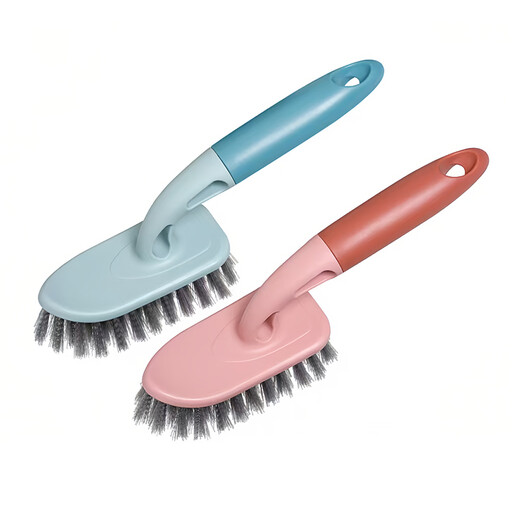
Why it suits this user: A two-piece set is handy for different areas, such as the kitchen, bathroom and narrow gaps. The product name lists a combination of PP and PET.
The description presents these brushes as suitable for gaps and a range of household cleaning jobs, rather than one vague, all-purpose task.
Two brushes; designed for gaps and household cleaning; plastic construction.
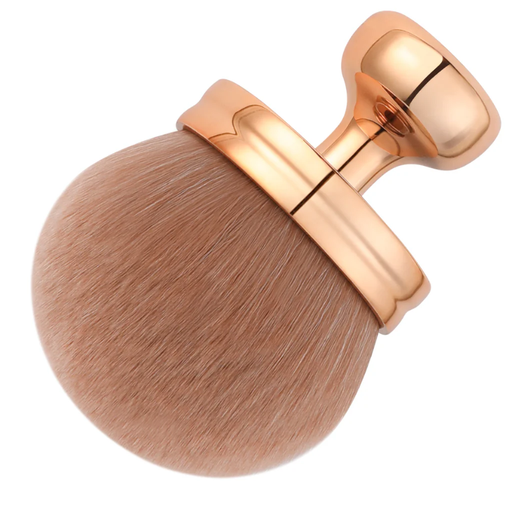
Why it suits this user: This model is designed for make-up and applying powder to the body. Its rounded shape and palm-grip handle make it a good choice if you’re looking for one cosmetic brush for several powder applications.
The product information specifies the synthetic fibres, dome shape and mesh cylinder included for storage. This gives you clear details about the materials and how to protect the brush.
Synthetic fibres; suitable for the face and body according to the instructions; mesh cylinder included.

Why it suits this user: For baby bottles, drinks bottles, vacuum flasks or vases, reach matters more than a general-purpose cleaning function.
The description specifically mentions narrow containers, flexible bristles and a stand, so you don’t have to rely on the product photo alone.
Reaches into narrow bottles; flexible bristles; stand for drying and storage.
For the bathroom, you could consider a toilet brush with a holder, such as the emmama or Alpina models. Pay particular attention to the height, footprint and drying method. For body care, the Leli Bathing Brush has a long handle. If you mainly need to clean your nails, look for a compact model such as the 8.5 cm Plastic Nail Brush – Cleany.
There are specialist options for cosmetics, too, alongside make-up brushes. According to the product information, the fwee Fingerlike Silicone Lip Brush Mini has an 11 mm silicone tip and a cap. This makes it suitable for controlled application and easy to wipe clean.
We’ve put together a full, up-to-date list of products that meet these strict selection criteria and the applicable European safety regulations.
It depends on how you use it and the condition of the bristles. Replace a cleaning brush, washing-up brush or toothbrush when the bristles are bent, loose or visibly worn. Regular replacement is particularly important for personal care products to help keep them clean.
Rinse away any residue with warm water after use, then leave the brush to air-dry completely. Follow the specific care instructions for a toilet brush, bottle brush or cosmetic brush. Also check whether the product is dishwasher-safe; you can only be sure if this is stated in the product information.
Choose a grout brush with a narrow head and stiff bristles. For larger areas, a model with a long handle may be more comfortable to use. A standard washing-up brush is usually less suitable for narrow gaps, as its head may be too wide.
