
Vandaag of morgen in huis

Kwaliteit gegarandeerd

Welkomstaanbiedingen ontgrendelen: GRATIS bezorging | Tot 80% korting | Gratis 30 dagen JoyPlus-proefperiode
Download de app
Household appliances should suit your home, cleaning routine and available space. Yet many people buy based on one impressive figure or an appealing marketing term. As a result, after a few weeks an appliance can prove less practical than they expected.
The most common pitfalls:
A standard vacuum cleaner with a cord is practical for longer cleaning sessions, as you don’t need to worry about battery life. A cordless vacuum cleaner or stick vacuum cleaner offers more flexibility for everyday crumbs, stairs and quick clean-ups.
A handheld vacuum cleaner is handy for furniture, the car and small spills. Check its battery life and charging time. For hard floors and spilled liquids, you’ll need a wet and dry vacuum cleaner. According to the product information for many models, a standard stick vacuum cleaner must not be used to vacuum liquids.
Pay attention to the accessories too. A crevice tool, upholstery brush and motorised floor brush can make a bigger difference to ease of use than a high wattage alone.
Always compare:
According to the product description, a HEPA filter can help filter fine particles inside the appliance. This is not a medical claim and does not replace ventilation or other measures in your home.
Measure the space available for a charging station, air purifier or dehumidifier beforehand. Also check the clearance between furniture and the height underneath sofas. For a bedroom, a quoted sleep mode of 20 or 30 dB may be relevant, but the actual noise level depends on the setting you choose and the room.
For an air purifier, CADR, filter type and the recommended floor area are particularly important. For a dehumidifier, check the stated moisture removal capacity per day, tank capacity, drainage options and noise level. A larger room doesn’t automatically mean you need the largest model; placement and ventilation also affect the results.
A washer-dryer can save space in a utility room. As well as washing capacity, check the separate drying capacity, energy label and dimensions. The CHiQ model below has a stated capacity of 8 kg for washing and 5 kg for drying, with an A/D rating. Always check that the capacity suits your household.
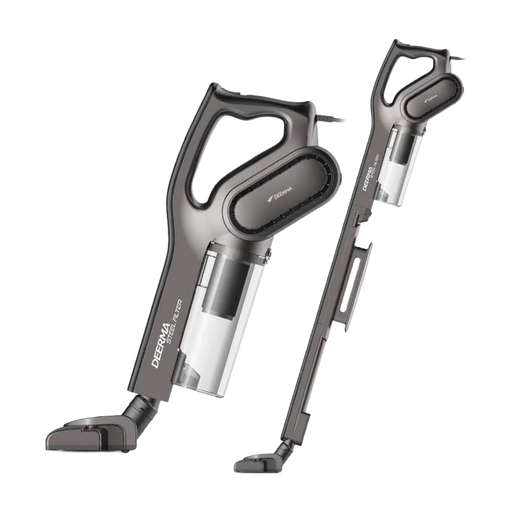
Why it suits this type of user: This model has a 4.5-metre cord, a 0.8-litre dust container and weighs around 2.75 kg. That makes it suitable for straightforward cleaning in a flat or smaller home.
The product information lists the noise level, cord length and dust container capacity. So you know what you’re getting in advance: no battery, but no charging time either.
600 W, 15 kPa according to the product specifications, a see-through dust container and a swivel floor brush.
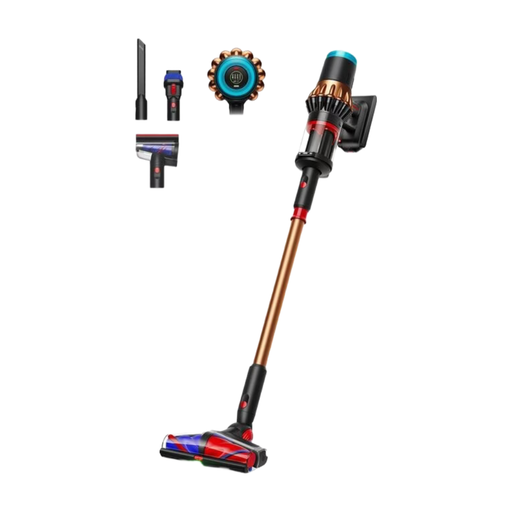
Why it suits this type of user: For households with pets or long hair, a motorised floor brush, multiple settings and a quoted runtime of up to 70 minutes are useful specifications to consider.
The product page lists separate figures for motor power, Air Watts, battery, filter and charging time. This lets you compare marketing terms with specific values.
315 Air Watts according to the product description, a 1.35-litre dust container and stated HEPA filtration.
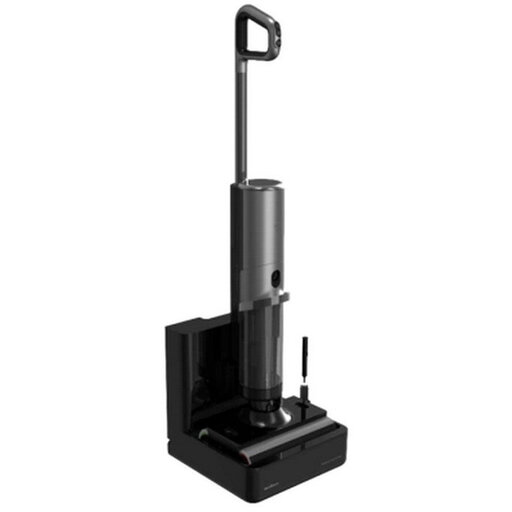
Why it suits this type of user: This appliance combines vacuuming and mopping, making it well suited to households with hard floors and regular spills.
The product information lists a separate dirty water tank and advises you to fit the filter and empty the tank after use. This makes the maintenance requirements clear from the outset.
Cordless operation, a 0.6-litre tank and a quoted runtime of up to 40 minutes.
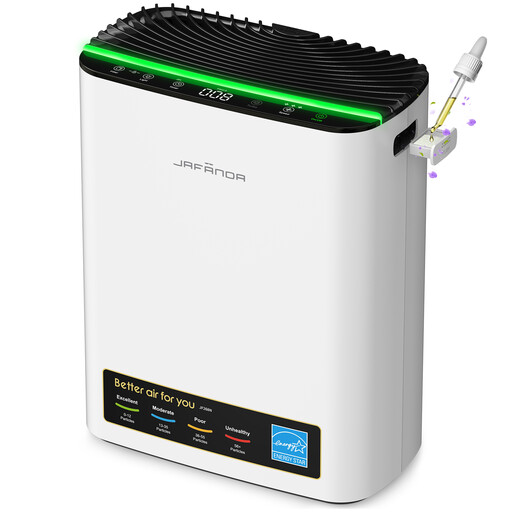
Why it suits this type of user: The combination of a PM2.5 display, sleep mode and multi-layer filter suits anyone who wants to monitor how the appliance is working and has limited space.
The product description lists CADR, noise levels, dimensions and filter life. Compare these figures with the size of your room.
CADR of 268 m³/u according to the product specifications, a PM2.5 sensor and a quoted sleep mode noise level of 20 dB.
We’ve put together a complete, up-to-date list of products that meet these strict selection criteria and current European safety regulations.
An appliance is only practical if its maintenance fits into your routine. Empty the dust container regularly, check the brush for hair and follow the instructions for the filters. Don’t use a vacuum cleaner for hot ash, sharp objects or liquids unless this is expressly permitted.
Simple cleaning products can be useful for cleaning by hand. A stainless steel scourer, for example, is designed for pans and hard surfaces, but not for delicate non-stick coatings. A refill for an air freshener in a 250 ml size may fit many dispensers; always check compatibility and the instructions on the packaging.
Take extra care when using a window-cleaning robot. If the model has a power cable, always use the safety cord, stay nearby and check that the window is smooth and suitable. This type of appliance is not a fully self-sufficient solution for every window.
That depends on its power, runtime, charging habits and energy consumption. Don’t compare wattage alone. An appliance that runs for less time or has an efficient setting may perform differently in practice. For a dehumidifier or washer-dryer, frequency of use and programme length also make a difference.
Its lifespan is affected by the battery, motor, filters and maintenance. Regularly emptying and cleaning it helps prevent blockages. With a cordless vacuum cleaner, a replaceable battery is useful; check whether one is available and what warranty terms apply. In the EU, new products are covered by a minimum statutory guarantee of conformity; additional terms may vary by product.
Position the appliance away from walls, curtains and furniture so the air inlet and outlet aren’t blocked. In a bedroom, choose a setting with a noise level you find comfortable. For a dehumidifier, consider how the water will be drained and place the appliance on a stable, dry surface.
