
Livraison le jour même et le lendemain

Qualité garantie

Débloquez vos offres de bienvenue: Livraison GRATUITE | Jusqu'à -80 % | 30 jours d'essai gratuits à JoyPlus
Téléchargez l'application
Making hotpot at home is simple, but the choice of hotpot sauce determines much of the flavour. Are you looking for a fiery Sichuan broth, a mild dipping sauce for hotpot, or a Japanese sukiyaki sauce? Products can sometimes look very similar, yet differ in their uses, salt content, allergens and preparation methods.
Pay particular attention to these common pitfalls:
A hotpot soup base is added to water or broth and creates the flavour of the whole pot. A dipping sauce for hotpot is served separately in a small bowl. A dry mix, such as Sichuan hotpot seasoning, can be used directly as a dip or mixed with hot oil, vinegar or soy sauce.
For dry pot dishes, you generally need a dry pot sauce. This is heated in oil before you add meat, tofu or vegetables. So always check whether the packaging says “ready to eat” or “cooking required”.
Spicy does not mean the same thing in every product. A spicy hotpot sauce may contain mainly chilli, while Sichuan varieties also have a tingling aroma from Sichuan pepper. Tomato bases are usually sweet and sour, and milder. Japanese sukiyaki sauce typically has a sweet-savoury taste with soy sauce, sugar and mirin.
Look at the ingredient order and the stated percentages. Shoo Loong Kan, for example, lists 16% Pixian bean paste in the sauce and 50% cumin in the dry seasoning sachet. Liu Po states 50% chilli and 20% sesame.
Nutritional values are a practical way to compare products. According to the product information, Shoo Loong Kan Spicy Hot Pot Base contains 10g of salt per 100g and 71.1g of fat per 100g. Haidilao Spicy Dipping Sauce contains 3.5g of salt per 100g, but 74g of fat per 100g. This makes both products suitable for different usage occasions and different portion sizes.
When checking a Chinese hotpot sauce, always look at the allergen list. Common ingredients include:
The nutritional information and ingredients on the packaging are definitive. Whether based on our own research or a brand's product information, a taste or quality claim should not be read as an independently verified result.
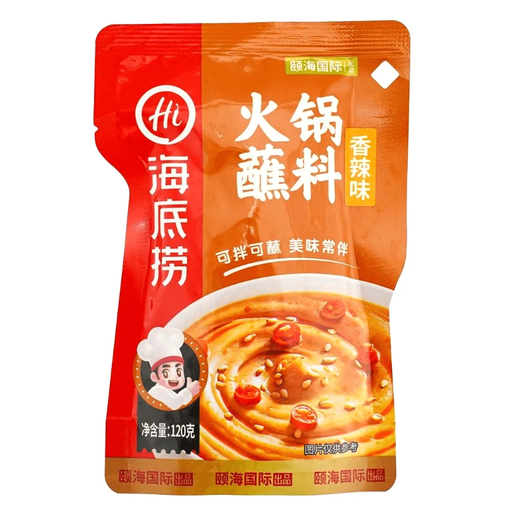
Why this fits the profile: This ready-made Chinese dipping sauce can be used straight away with hotpot, noodles and dumplings. You do not need to mix separate spices or oil.
The usage instructions are clear: it is ready to eat as a dip or flavour enhancer. This limits confusion with a broth base.
120g, with sesame paste, fermented soya, chilli and Sichuan pepper. Keep refrigerated after opening.
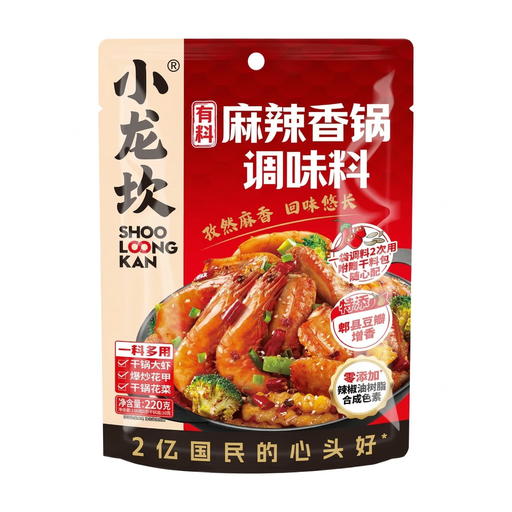
Why this fits the profile: The combination of two sauce sachets and a dry seasoning sachet gives you more control over the intensity and aromatic layers of the hotpot.
The packaging lists the components and a guideline for approximately 800g of ingredients. This helps with portion estimation.
220g total, with Pixian bean paste and Sichuan pepper. Also suitable for stir-frying with meat, seafood or vegetables.
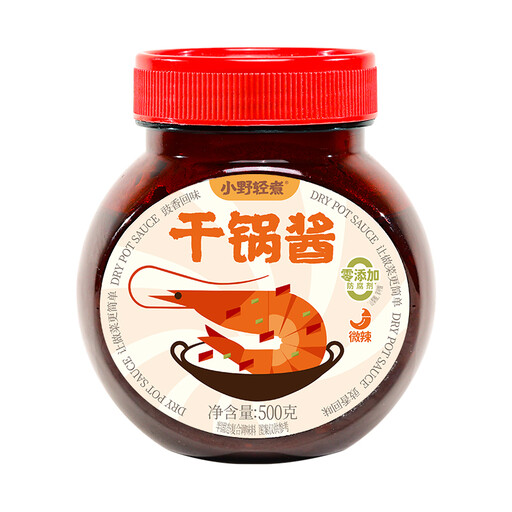
Why this fits the profile: The large pack is practical for families, regular dry pot meals and stir-fry dishes.
The product information explicitly states that the sauce must be cooked before use. This means you will not use it undiluted as a dipping sauce.
500g, mildly spicy, with 10% Pixian bean paste and fermented black beans. Suitable for dry pot, meat, vegetables and stews.
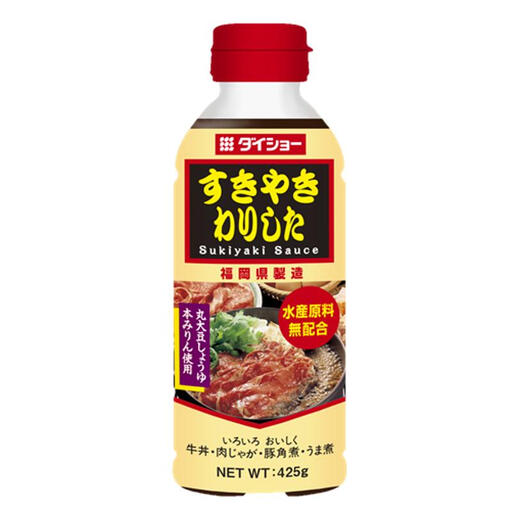
Why this fits the profile: This sauce matches a sweet-savoury Japanese flavour and can be used for sukiyaki, stir-fries and as a dip.
The flavour profile and application are clearly different from Sichuan hotpot seasoning: soya, mirin and sugar are the main ingredients.
425g, with no seafood according to the product description. Contains soya and wheat; check the label if you have allergies.
We have put together a full, up-to-date list of products that fully meet these strict selection criteria and comply with current European safety regulations.
Choose a tomato base, mild dry pot sauce or an original sesame and peanut dip. Bear in mind that “mild” does not mean the product is free from chilli. Check the ingredients list.
Yes. Many varieties are suitable for noodles, dumplings, stir-fries and marinades. A soup base can also be used in a stew, but adjust the amount of water and salt.
This varies by product. Dry spices generally keep longer when stored in a dry, dark place. Liquid sauces often need to be refrigerated and consumed quickly, according to the product information. Always check the packaging for the exact storage instructions.
