
Vandaag of morgen in huis

Kwaliteit gegarandeerd

Welkomstaanbiedingen ontgrendelen: GRATIS bezorging | Tot 80% korting | Gratis 30 dagen JoyPlus-proefperiode
Download de app
Making a Chinese hotpot, Asian hotpot, malatang or sukiyaki at home sounds simple: choose a soup base, add meat and vegetables, and let everyone cook their own food. Yet things often go wrong when buying hotpot ingredients. Products may be sliced too thickly, contain allergens that are not immediately obvious, or turn out to be difficult to separate after defrosting.
This practical buying guide explains what to look out for. That way, you can put together a meal to suit your group, cooking style and freezer.
A packet of hotpot soup base is not always ready to use straight away. Some varieties need to be mixed with water or stock, while others need to be cooked first. Check the recommended amount of liquid too. For example, the 110-gram Haidilao Tom Yum base is intended for around 500 to 600 ml of water or stock.
Also pay attention to the salt content. According to the product information, the clear HDL base contains 6,500 mg of sodium per 100 grams. This makes it suitable if you are looking for a savoury broth, but you do not automatically need to add extra soy sauce or salt afterwards.
For hotpot meat, thickness is more important than eye-catching marketing language. Thin slices cook quickly in a hot broth. Pieces that are too thick remain raw in the middle for longer and can cause the temperature of the pan to drop significantly.
When checking frozen hotpot ingredients, look at:
Beef, lamb and sukiyaki meat are often supplied in thin rolls. This is practical, but always follow the cooking instructions on the packaging.
Not every product in the tofu-for-hotpot category is ready to eat. Dried tofu must be soaked first and then cooked thoroughly. Hotpot meatballs are also raw or frozen preparations that need to be heated sufficiently.
Pay attention to the difference between:
Start by choosing the type of broth:
Always read the allergen information. For example, the Tom Yum variety lists fish and crustaceans. The Northeast Style base contains, among other ingredients, wheat, soya and fish. This is important when cooking for several people.
A simple ingredients list gives you a quick overview. According to the product information, the thinly sliced ribeye and beef neck are made from 100% beef. The Kinda Hotpot Lamb Slice contains 100% lamb. Products containing meatballs often include additional ingredients such as starch, soya, wheat, chicken or flavour enhancers.
For a mixed table, you could choose from:
Use separate serving tongs for raw meat and cooked ingredients. This helps limit cross-contamination while cooking at the table.
Tofu sheets are a convenient way to add extra texture to the pan. According to the label, FRESHASIA Northern-Style Dried Bean Curd Sheets consist of soya beans, water and salt and are stored chilled at 0–4 °C. October Wing Shredded Tofu, on the other hand, is dried and can be stored compactly in the cupboard.
Preparation times vary:
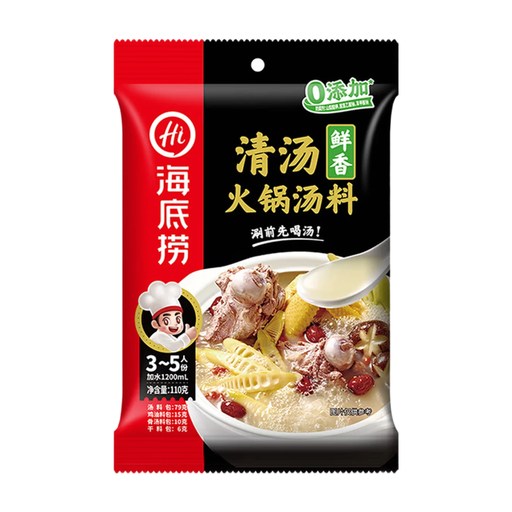
Why it suits this profile: A compact base for anyone who wants to get started at home without making a stock from scratch. Add the base to water according to the product information and cook it thoroughly.
The recommended quantity and preparation method are provided, so you do not have to guess how much base to use.
Clear broth; also suitable for noodles, soups and stews. Contains wheat.
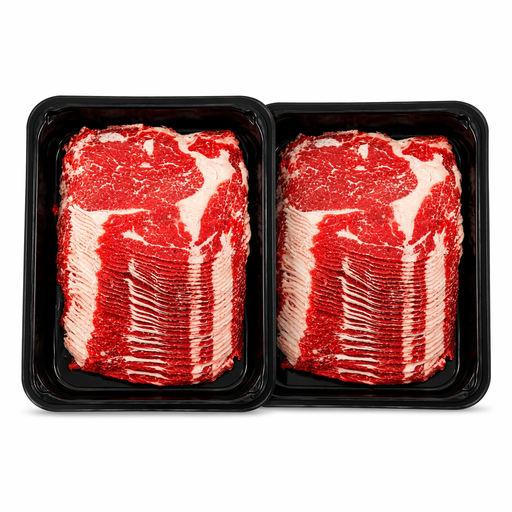
Why it suits this profile: Suitable for households cooking for several people and looking to serve a larger quantity of thinly sliced beef.
The stated slice thickness of 1.2 mm makes it clear why this product cooks quickly in broth.
100% beef according to the product information; pack of 2 x 500 grams.
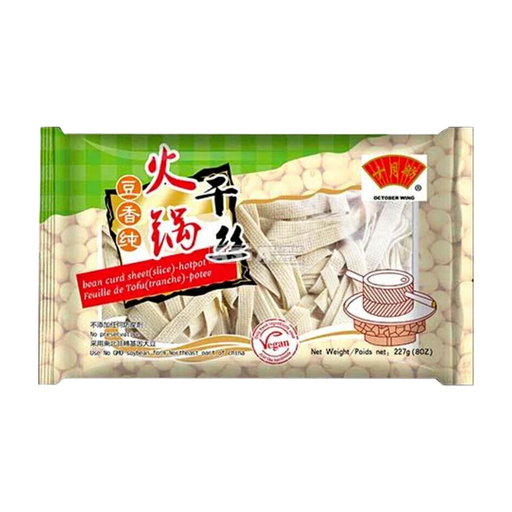
Why it suits this profile: A convenient choice for tofu lovers who want to stock up without using chilled storage space.
The product format and soaking time are clearly stated. You know that this is not ready-to-eat tofu.
Easy to store in a dry, compact form; suitable for hotpot, malatang, oden and salads.
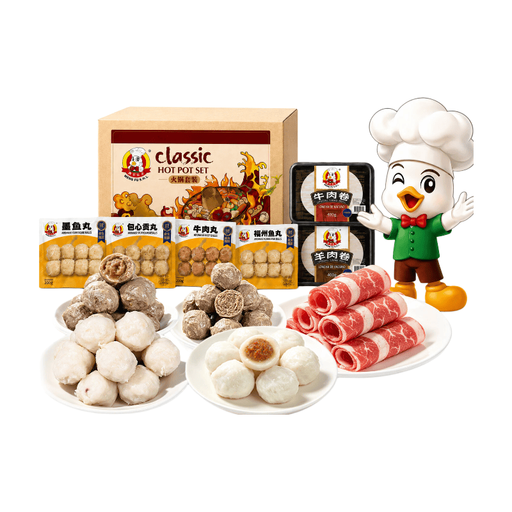
Why it suits this profile: A ready-made selection for anyone who wants to serve fish, squid and pork meatballs alongside hotpot meat.
The product information lists several varieties and allergens. This helps when planning for a table with different preferences.
Several meat and fish products in one set; cook from frozen in approximately 3–5 minutes according to the instructions.
We have put together a complete, up-to-date list of products that fully meet these strict selection criteria and the applicable European safety regulations.
Start with one soup base, then add ingredients with different cooking times. A practical order is:
For four people, you can roughly allow for one or two types of meat, one type of tofu, meatballs, vegetables and noodles. Choose a neutral dipping sauce with a spicy broth. With a clear soup base, chilli oil, sesame and garlic make excellent additional flavourings.
A basic selection consists of a hotpot soup base, thinly sliced beef or lamb, tofu, vegetables, noodles and, optionally, hotpot meatballs. For malatang, you can also add dried soya strips, mushrooms and fish balls.
This varies by product. Some lamb slices and meatballs can go straight from the freezer into boiling broth. Other products need to be defrosted or soaked first. Always follow the instructions on the packaging and do not refreeze defrosted products.
You can store dried tofu and unopened soup base according to the best-before date on the packaging. Store frozen meat and meatballs at the stated temperature, usually -18 °C or below. Once defrosted, they must be kept chilled and used within the stated time frame.
