
Vandaag of morgen in huis

Kwaliteit gegarandeerd

Welkomstaanbiedingen ontgrendelen: GRATIS bezorging | Tot 80% korting | Gratis 30 dagen JoyPlus-proefperiode
Download de app
A successful hotpot night at home starts with the right ingredients. And while thinly sliced meat and fresh vegetables are essential, it's often the fish balls that make or break the meal. However, the selection is vast, and not every ball is of the same quality. If you've ever been disappointed by mushy, flavorless balls, you're not alone. Let's explore the common pitfalls and what to look for when buying Asian fish balls.
Before you fill your shopping cart, it's wise to know what to watch out for. Many consumers make the same mistakes, often misled by unclear packaging or marketing claims.
To avoid a bad purchase, you don't need to study long ingredient lists. Focus on two concrete specifications that determine quality and suitability.
This is the most important indicator of quality. A higher fish percentage (ideally above 40%) ensures a firm, bouncy ("QQ") texture and a richer flavor. The base of many fish balls is surimi, a paste made from ground white fish. Products that specify the type of fish (such as cuttlefish, silver carp, or Nemipterus) offer more certainty about the taste. Check the ingredients list on the packaging; the percentage of the main ingredient should often be stated there.
The variety in Chinese hotpot ingredients is enormous. Consider the dining experience you're looking for:
By paying attention to these two points, you can make a much more targeted choice and buy Asian fish balls that suit your taste and dish.
To help you get started, we've highlighted some popular choices and matched them with different preferences.
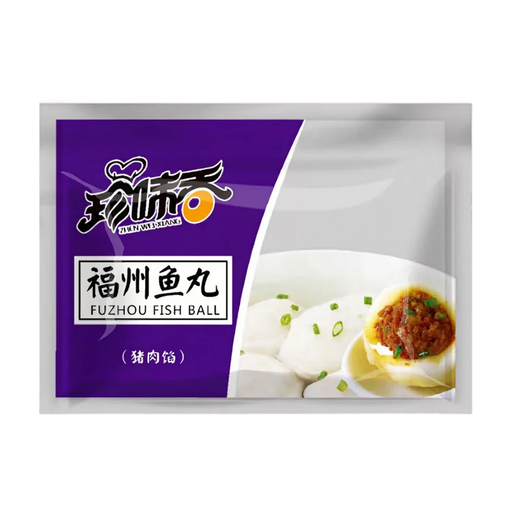
Why This Fits Their Persona: Perfect for those seeking the traditional Fuzhou experience. The combination of a bouncy exterior and a savory pork filling is a classic that elevates any hotpot meal.
This product avoids the starch trap by specifying a clear fish content of 40% silver carp. You know you're buying a product with an authentic fish flavor, not a mushy filler.
The minced pork filling provides a juicy, flavorful surprise. The texture is bouncy ("QQ"), exactly as a Fuzhou fish ball should be.
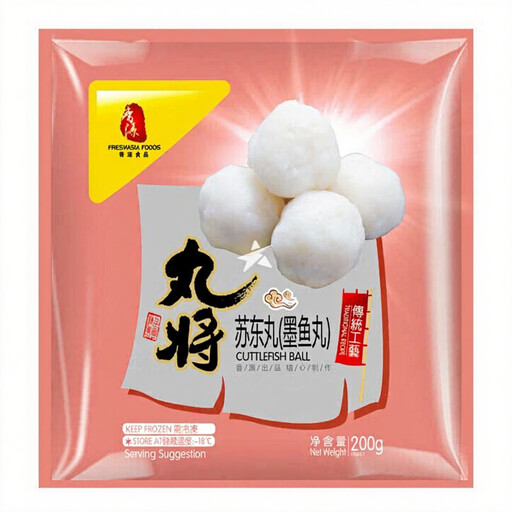
Why This Fits Their Persona: For those who want a more pronounced sea flavor and an extra-firm texture. These cuttlefish balls offer a welcome change from standard fish balls and are a favorite in many Asian cuisines.
This product cuts through vague descriptions by listing cuttlefish as the main ingredient. You know exactly which seafood you're getting, ensuring a predictable, high-quality taste.
The texture is noticeably firmer and more resilient than that of regular fish balls. The flavor is deeper and more distinct, perfect for seafood lovers.
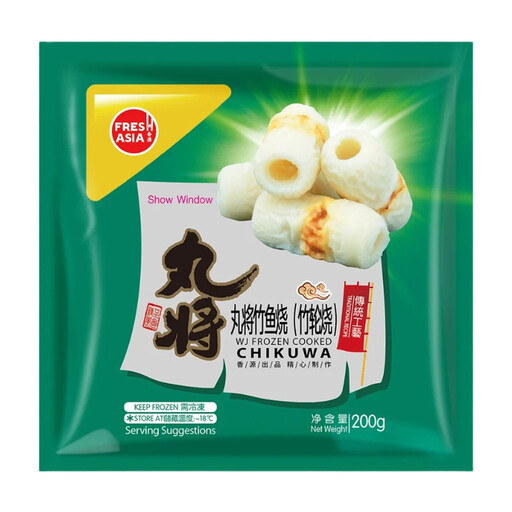
Why This Fits Their Persona: For those who want something different from the standard round balls. Chikuwa is a Japanese fish cake with a unique hollow shape, ideal for soaking up the flavors of the hotpot broth. It adds variety in texture and form to the meal.
This product shatters the "one-size-fits-all" myth. It is clearly labeled as Chikuwa (Japanese fish cake), made from 47% surimi. This isn't a regular fish ball, but a specific product for a different culinary experience.
The hollow, cylindrical shape is perfect for hotpot, as the broth gets trapped inside. The texture is firm and chewy, and it's a versatile ingredient that can also be grilled or pan-fried.
We have compiled a complete, up-to-date list of products that meet these selection criteria. Find the perfect frozen soup balls for your next meal.
Most frozen soup balls are pre-cooked and only need to be heated through. Add them frozen to the simmering broth. They are ready when they float to the surface, which usually takes 3 to 5 minutes. Filled balls may need a little longer, about 5 to 7 minutes, to ensure the filling is properly heated. Always check the instructions on the package.
The main difference is the filling. Regular fish balls are solid and made from fish paste. Fuzhou fish balls are a specialty with a savory filling, traditionally made from minced pork. This creates a dual taste and texture experience: the bouncy fish paste on the outside and the juicy, flavorful filling on the inside.
Absolutely. Fish balls are very versatile. You can add them to noodle soups, stir-fry dishes, or serve them as part of an Oden (Japanese stew). Fried varieties are also popular as a snack, possibly with a dipping sauce. Some solid balls can even be skewered and grilled or pan-fried.
