
Vandaag of morgen in huis

Kwaliteit gegarandeerd

Welkomstaanbiedingen ontgrendelen: GRATIS bezorging | Tot 80% korting | Gratis 30 dagen JoyPlus-proefperiode
Download de app
A good hotpot dipping sauce can be the difference between a bland meal and a table full of exciting flavours. Yet choosing one isn’t always straightforward. Packaging often uses terms like “authentic”, “restaurant-style” and “extra spicy”, when the real differences usually lie in the ingredients, allergens, salt content and ease of use.
This guide will help you pick the right Chinese dipping sauce for hotpot, dumplings, noodles, barbecue and other dishes.
A spicy dipping sauce might taste mainly of chilli, but it could also contain Sichuan pepper, garlic, sesame or fermented ingredients. Sichuan pepper in particular gives a tingling or numbing sensation in the mouth – that’s quite different from just extra chilli.
So check the ingredients and the stated percentage of chilli. The LiuHuzi Glutinous Chili Dipping Sauce, for example, contains 30% chilli. The Liu Po Hot Pot Spicy Dipping Sauce Sesame Flavor lists 50% chilli and 20% sesame. That gives you a much clearer picture than the name “spicy” alone.
Sesame sauce and peanut sauce deliver a rich, nutty flavour, but they often contain allergens. When buying a Chinese dipping sauce, look out for sesame, peanut, soya, fish, shellfish and wheat. According to the product information, the Haidilao Hotpot Dipping Sauce Spicy contains soya, sesame and wheat, among other ingredients. The Bull Head satay sauce also contains fish and dried shrimp.
Always read the current packaging, especially if you’re cooking for several people.
A ready-to-use hotpot sauce can be served straight away. A powder needs to be mixed with water, oil, vinegar or soy sauce first. A dry chilli dip, on the other hand, might be intended for direct use or for turning into a sauce with hot oil.
If you want to eat without any preparation, it’s better to choose a ready-to-eat dipping sauce. If you prefer to adjust the thickness, sharpness and umami flavour yourself, sesame powder or a pure sesame paste gives you more control.
First, decide which flavour suits your hotpot:
According to Haidilao’s own product description, the Spicy variant combines sesame paste, fermented tofu, chilli and Sichuan pepper. That’s the brand’s description of the composition and flavour direction – not a guarantee that every user will have the same taste experience.
Packaging should clearly list allergens. Also check the salt content per 100 grams – it varies a lot between sauces. The LiuHuzi Glutinous Chili Dipping Sauce Garlic Flavor, for instance, lists 11.5 grams of salt per 100 grams, while Hao Ren Jia Original Flavor, according to the product information, doesn’t mention salt at all.
The fat content can also vary considerably. A sauce based on oil, sesame or peanut is often richer and higher in calories than a chilli sauce with more water. Use the nutritional values as a comparison point, not just the serving size on the front.
Pay attention to the net weight and how the product should be stored:
Follow the storage and usage instructions on the packaging. When using an opened sauce, it’s best to use a clean spoon to limit contamination.
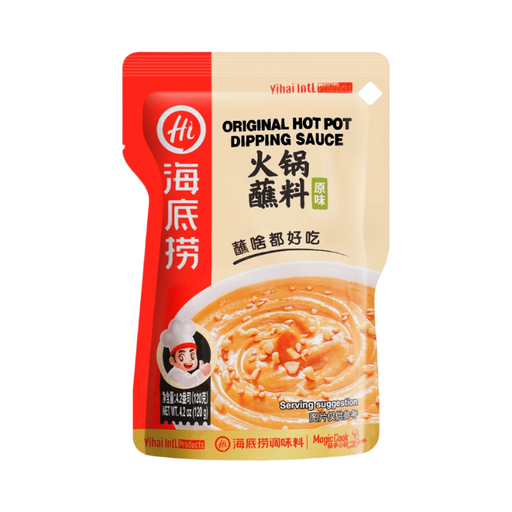
Why this suits the profile: This ready-to-use sauce can be served straight away on your first hotpot evening and also works with barbecue, noodles and stir-fries.
No need to mix powder or oil. Do check the allergens: the product information lists peanut, sesame, soya and mustard.
120 grams, ready to use straight away and suitable as a hotpot sauce, barbecue dip or flavour booster for noodles.
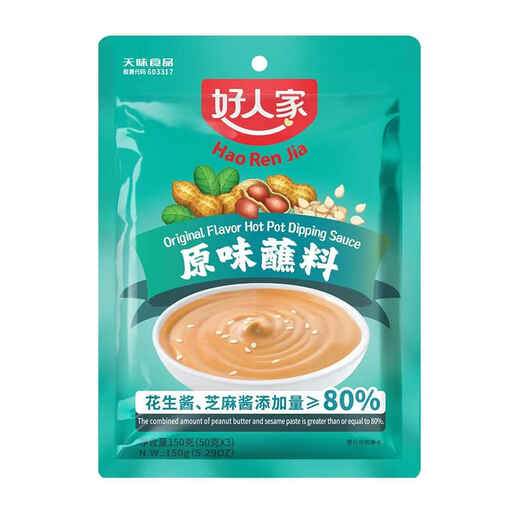
Why this suits the profile: The combination of 80% peanut butter and 20% sesame paste is ideal if you’re after a creamy, nutty dipping sauce.
The ingredients are straightforward, but peanut and sesame make this sauce unsuitable for anyone with those allergies.
150 grams, ready-to-eat and usable with hotpot, dumplings, noodles and as a base for a homemade dressing.
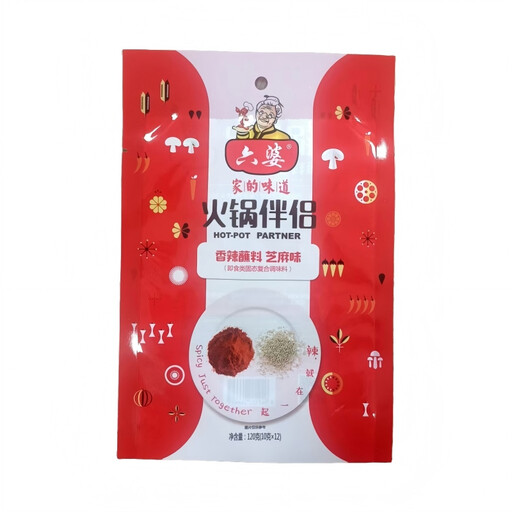
Why this suits the profile: The powder format is handy for fans of dry Sichuan dips, barbecue and homemade oil or vinegar dips.
The ratio of chilli to sesame is clearly stated. You decide whether to use the mix dry or combine it with oil, vinegar or soy sauce.
120 grams, 50% chilli, 20% sesame and usable as a dry dip, oil dip or seasoning for noodles and vegetables.
We’ve put together a full, up-to-date list of products that fully meet these strict selection criteria and comply with current European safety regulations.
A ready-made Chinese dipping sauce is convenient, but you can easily adjust the flavour:
For noodles, a thicker sesame sauce works well. For dumplings, a thinner mix with vinegar and chilli is often better. For barbecue, use a dry dip or a sauce with peanut, sesame and cumin.
A mild, ready-to-use sesame or original sauce is usually the easiest to use. First check the allergens and, if you prefer, choose a variant without any obvious chilli or Sichuan pepper listed.
This varies by product. Some sauces need to be refrigerated after opening and used quickly; dry mixes mainly need to be kept dry and sealed. Always follow the instructions and date on the packaging.
Yes. Many varieties work well as a dipping sauce for dumplings, a dipping sauce for noodles, a barbecue dip or a flavour enhancer for vegetables, meat and cold salads. Check the recommended usage instructions and adjust the amount to suit your dish.
