
Same-day & Next-day Delivery

Quality Guaranteed

Unlock Your Welcome Offers: FREE Delivery | Up to 80% OFF | Free 30-day JoyPlus trial
Download the APP
A hotpot night at home, also known as Chinese fondue, is a cozy and flavorful experience. The simmering broth, fresh vegetables, thinly sliced meat... and of course, the balls. But anyone who has stood in the frozen food aisle knows the selection can be overwhelming. And not all hotpot balls are created equal. Before you fill your basket, it's wise to know what to look for to prevent a soupy disappointment.
As a Product Recommendation Officer at Joybuy, I see a lot of products come and go. I'm here to help you see through the marketing jargon and avoid the common pitfalls.
The 3 Most Common Pitfalls When Buying Hotpot Balls
frozen hotpot mix hoping for variety, but when you get home, you find the bag is 80% filled with the cheapest kind. A good mix should have a balanced distribution of different types of balls.To avoid the problems above, you only need to pay attention to a few specific things. These are the specifications that truly matter.
This is the most important number on the packaging. A higher percentage of the main ingredient (meat or fish) generally indicates better quality, flavor, and texture. For fish balls for hotpot, surimi (minced fish paste) is often used as the base. A product with 60-70% surimi will have a much richer fish flavor and better texture than one with only 30%. So, always check the back of the package.
That pleasant, bouncy, and slightly chewy texture is an essential part of the hotpot experience. This texture is achieved through the right combination of ingredients and production techniques. Ingredients like tapioca starch help create this springiness. An excess of cheaper potato starch, on the other hand, can lead to a soft and mushy structure.
Asian soup balls come in countless varieties. Consider:
When you go to buy hotpot ingredients, think about the flavors and textures you want to feature. A mix of different types makes the meal more interesting.
Below are a few popular choices, matched to different preferences. These aren't "winners," but products with clear specifications that suit a particular type of home cook.
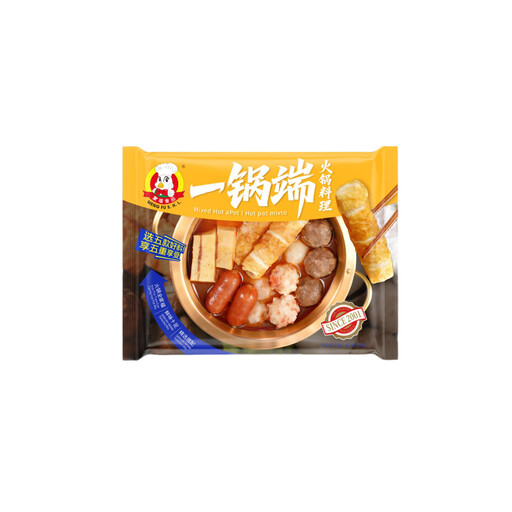
Why This Fits Their Persona: Ideal for those making hotpot for the first time or who just want to try a bit of everything. This mix offers an introduction to various classic balls without needing to buy multiple separate packages.
This mix avoids the pitfall of the one-sided mix. The packaging specifies a variety of mini sausages, beef balls, surimi products, and fish tofu, ensuring you get a diverse selection.
Offers a wide selection of flavors and textures in one convenient package. Perfect for discovering your favorites.
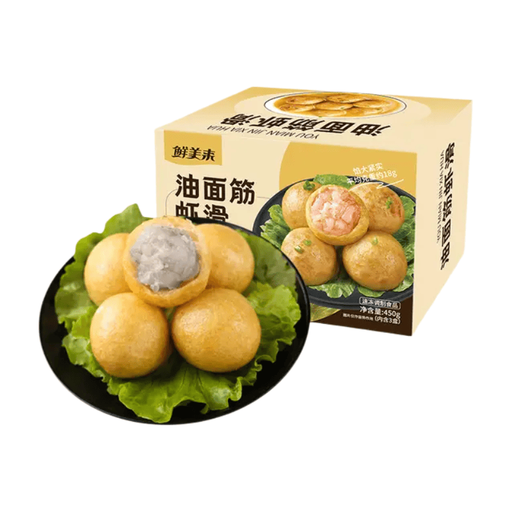
Why This Fits Their Persona: For the adventurous eater looking for a unique dining experience. The combination of the spongy, fried gluten that soaks up the broth and the bouncy shrimp filling is a classic in Chinese cuisine.
This is not a standard ball and avoids the disappointment of a bland, mushy texture. The combination of the exterior and the filling provides a complex and satisfying "bite."
Unique texture combination. The gluten ball absorbs the flavor of the broth, creating a burst of flavor with every bite.
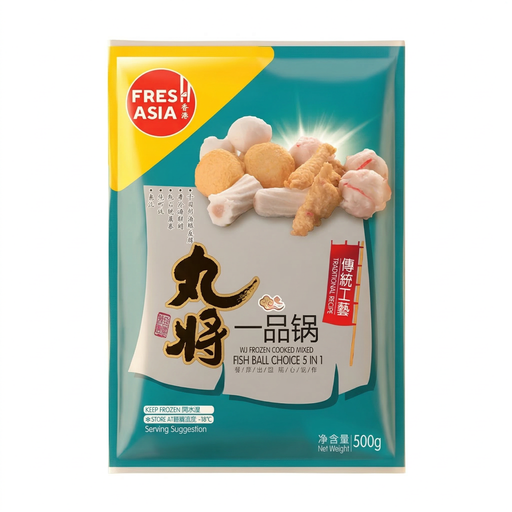
Why This Fits Their Persona: Perfect for the fish and seafood lover who appreciates authentic flavor and a bouncy texture. This product focuses on a high-quality fish surimi base.
According to the manufacturer, this product contains 70% fish surimi. This high percentage avoids the pitfall of the tasteless starch ball and guarantees a product with a distinct fish flavor and a good "bite."
High fish content for an authentic taste. The mix of different fish balls provides a nice variety within the seafood theme.
We've compiled a complete, up-to-date list of products that meet these strict selection criteria.
Most frozen hotpot balls need 3 to 8 minutes in a gently simmering broth. A good rule of thumb is that they are cooked when they float to the surface. Let them cook for another minute to ensure they are hot all the way through. To be safe, always check the instructions on the package.
No, this is usually not necessary and is often discouraged. You can add the balls directly from the freezer into the hot broth. This helps maintain the best texture and prevents them from falling apart.
A good frozen hotpot mix offers genuine variety in types, textures, and flavors. The ingredients list will clearly indicate the different balls included (e.g., beef, pork, fish, filled). A lesser mix can be misleading and consist mainly of one or two cheap varieties, often with a high starch content. So, look beyond the picture on the front.
