
Vandaag of morgen in huis

Kwaliteit gegarandeerd

Welkomstaanbiedingen ontgrendelen: GRATIS bezorging | Tot 80% korting | Gratis 30 dagen JoyPlus-proefperiode
Download de app
A hot water dispenser can be useful if you often prepare tea, coffee or baby formula. Choose a temperature, set the quantity on some models and get water straight into your cup. However, not every model is suitable for the same kitchen or household. A low purchase price can become less appealing if the water tank is small, descaling is difficult or the temperature settings do not suit your everyday needs.
The main pitfalls are:
Do not just look at the capacity of the reservoir. Also check the available quantities per serving. A 3-litre hot water dispenser is often a practical mid-sized option for a household. You will need to refill it less often than a small kettle, without immediately requiring the space of a 5-litre model.
Also check whether the appliance supports fixed portions, such as 250, 500 or 750 ml. This helps to limit waste and prevent overflowing. A large dispense is unnecessary for a single cup of coffee. For several people, a larger tank and a more generous continuous dispense are preferable.
A hot water dispenser with temperature control is particularly useful if you make different drinks. Tea, instant coffee and baby formula do not always require boiling water. Look out for:
An instant hot water dispenser with several settings can be quicker than a traditional kettle when you need just one cup. However, check whether “quick” refers to both the heating time and the quantity of water dispensed.
For baby formula, a setting around 40–45 °C is practical, but the selected temperature does not automatically make the appliance suitable for safe preparation. Always follow the instructions on the formula packaging and use clean, fresh water. Do not store prepared formula in a thermos or hot water appliance.
A practical appliance should have at least automatic shut-off, boil-dry protection and stable positioning. A child lock is a useful extra feature in family homes, as hot water can cause burns.
Also consider maintenance costs and ease of use:
An energy-efficient hot water dispenser generally heats only the amount you need. Manufacturer claims about energy savings should be treated as brand-provided information. According to Nedis’ product description, the 2.5-litre model can save up to 50% energy compared with traditional kettles; actual savings depend on usage, water volume and standby behaviour.
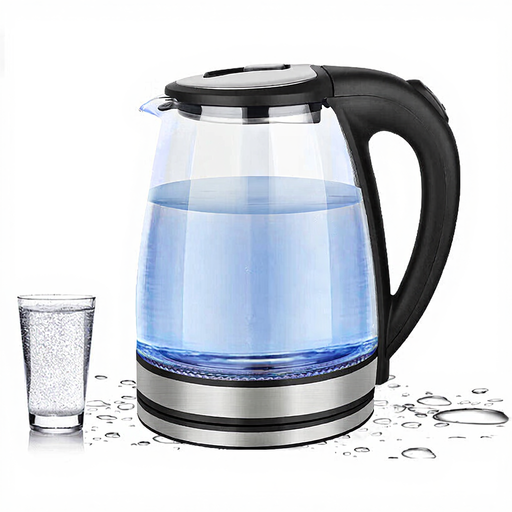
Why it suits this profile: A straightforward electric kettle for households that mainly need boiling water quickly for tea, coffee or instant meals.
The 2-litre capacity and automatic shut-off are clearly specified. There are no complicated features that you pay for but do not use.
2-litre capacity, 1500 W power and automatic shut-off when boiling.
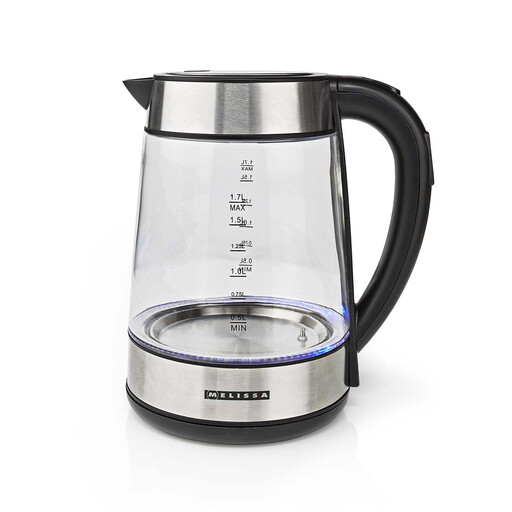
Why it suits this profile: Ideal for tea and coffee lovers who want to set different temperatures without switching to a separate hot water dispenser.
The five temperature presets from 50 to 100 °C are clearly specified. The keep-warm function lasts for a maximum of 30 minutes, giving it a clear limit.
2200 W, glass body, removable limescale filter and automatic shut-off.
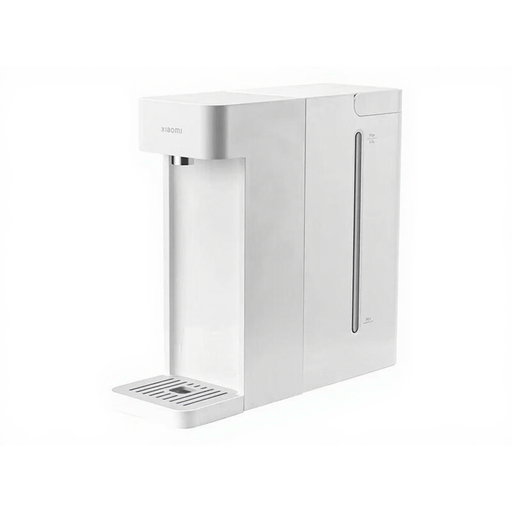
Why it suits this profile: Useful for people working from home, families and parents who regularly need small quantities of water at a selected temperature.
The description specifies four preferred settings and manual adjustment in 1 °C increments between 45 and 90 °C. The 250, 500 and 750 ml portions are also clearly stated in advance.
3-litre transparent tank, four temperature settings and temperature adjustment in 1 °C increments.
We have compiled a complete, up-to-date list of products that fully meet these strict selection criteria and the applicable European safety regulations.
A hot water dispenser is particularly suitable if you want hot water quickly in small portions. You do not have to heat a full kettle every time. This can be practical in a home office or in a family where tea and coffee are prepared at different times throughout the day.
An electric kettle with temperature control makes more sense if you usually prepare several cups at once. Models such as the Melissa, Cuisinart and Ochama kettles offer a capacity of approximately 1.5 to 1.7 litres. A traditional kettle is also often easier to take with you and requires less space around the controls.
A large reservoir, such as that found in a 5-litre dispenser, is more suited to an office or a busy household with many users. However, check the dimensions, the weight of a full tank and how the appliance is refilled.
Use only clean, cold water unless the instructions state otherwise. Never fill above the marked level and do not operate the appliance without water. Place a cup securely beneath the outlet and do not touch the water stream or steam.
Descale the appliance according to the instructions. Limescale can build up more quickly in hard-water areas. A removable drip tray, removable filter and descaling alert make maintenance easier to manage. Always unplug the appliance before cleaning and never immerse the electrical base in water.
That depends on how you use it. A dispenser that heats only the amount required can be efficient for a single cup. A keep-warm function or prolonged standby can increase energy consumption. Compare the power rating, heating method and number of cups you make each day.
This varies depending on the type of tea and the instructions for the formula. Some appliances offer 45 °C, 75 °C and 95 °C as fixed settings, while others work in 1 °C increments. For baby formula, always follow the instructions provided by the formula manufacturer and check the temperature before feeding.
Its lifespan depends on usage, water quality, maintenance and the quality of its components. Regular descaling, preventing boil-dry operation and filling the tank correctly can help reduce wear. Also check the warranty, availability of spare parts and cleaning instructions before ordering.
