
Colleague with a tall thermos flask
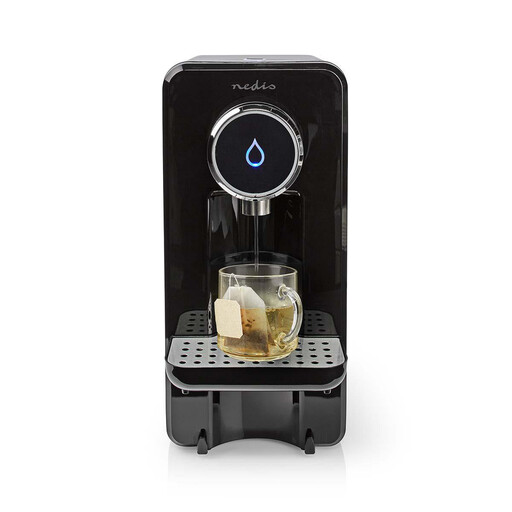
Wants to place the flask directly under the spout and fill it with the required amount. Nedis says the KAWD310FBK has space for containers up to 16 cm high; check the height of your own flask and lid.


Choose a dispenser based on the height of your thermos flask and how much water you need each time; a large reservoir doesn’t guarantee that the spout will fit your flask or dispense enough water. A freestanding reservoir model may suit a small office without a water connection, while a commercial dispenser with suitable dispensing capacity and servicing arrangements is worth comparing if several people need to use it one after another. For any electrical appliance, check that it has the applicable CE marking and documentation, and that your intended use complies with the relevant conditions.
Wants to place the flask directly under the spout and fill it with the required amount. Nedis says the KAWD310FBK has space for containers up to 16 cm high; check the height of your own flask and lid.
Needs to consider colleagues dispensing water at around the same time, and arrange who will refill and maintain the appliance. Culligan lists commercial dispensers with mains water connections, as well as installation and maintenance services.
Is weighing up a freestanding reservoir model against the kettle already in the office. Tomado, for example, describes a reservoir model; first check the flask height and the dispensing method you want.
Suitable when: there’s no water connection and your flask fits under the spout.
Bear in mind: you’ll need to refill it yourself and check how much water it dispenses each time.
Suitable when: colleagues often use it one after another and you can arrange a connection and servicing.
Bear in mind: the installation and service terms; a quick first dispense doesn’t tell you how many flasks it can fill in a row.
Suitable when: you only fill a flask occasionally and don’t mind waiting or pouring the water into it.
Bear in mind: you’ll need to heat the water first and pour it in afterwards; only heat as much as you need.
| What to consider | What should you check? | Who is this important for? |
|---|---|---|
| Flask height and dispensing volume | Measure the flask with its lid on and check the clearance under the spout, the dispensing increments and any limit per dispense. | If I want to fill my thermos flask directly, I need to know whether it fits under the spout and whether each dispense provides enough water. Around 33% of consumers prioritise flask fit and dispensing volume. |
| Capacity at peak times | Estimate how many flasks and how much water you’ll need at the busiest time; ask about consecutive dispensing capacity for commercial systems. | If several colleagues need water during the same break, I want to know whether the appliance can handle several dispenses in a row. Around 27% of consumers consider peak capacity the main priority. |
| Temperature and safe dispensing | Check the temperature options, how to stop the flow and the safety instructions and safeguards specified by the manufacturer. | When colleagues make different hot drinks, I want to be able to choose the water temperature and dispense it safely. Around 20% of consumers prioritise temperature choice and safe use. |
| Refilling and maintenance | Check the instructions for the reservoir, filter and descaling, as well as any service arrangements and terms for commercial use. | If the appliance is shared, I want to know in advance who will refill and maintain it, and what tasks need doing regularly. Around 20% of consumers focus on management and ongoing maintenance. |
A large tank won’t help if your flask doesn’t fit under the spout or each dispense provides too little water.
Measure your flask and check the clearance and dispensing volume for the exact model.
A busy period at the office may require several fills in a row; the first dispense doesn’t tell you how much water will be available afterwards.
Compare expected peak demand with the stated dispensing capacity, and ask commercial model suppliers specifically about consecutive dispenses.
Energy use also depends on how much water you heat; a brand’s claim isn’t an independent measurement of your situation.
Compare actual usage and, when using a kettle, heat only as much water as you need.
Nedis describes models for different ways of dispensing, from adjustable volumes and temperatures to a small thermos flask.
According to Tomado, the Tomado TWD2502B is a reservoir model with a choice of a 200 ml portion or continuous dispensing.
The Inventum HWD725B is described as having several temperature settings, making it an option if you want to prepare different hot drinks.
According to CASO, the HW 770 Advanced combines adjustable temperature and dispensing volume with continuous dispensing.
Culligan describes commercial dispensers with options including a mains water connection or bottled water, as well as installation and maintenance services.
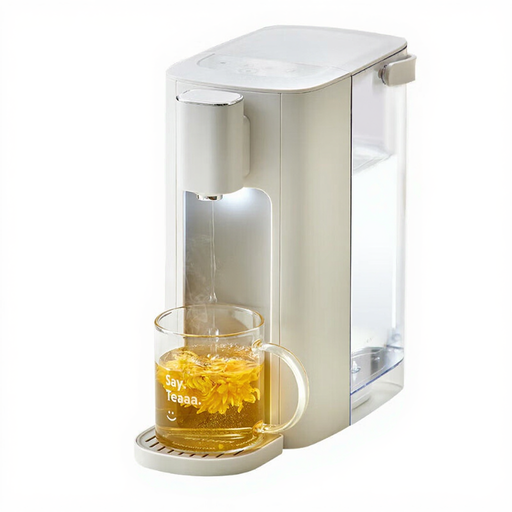
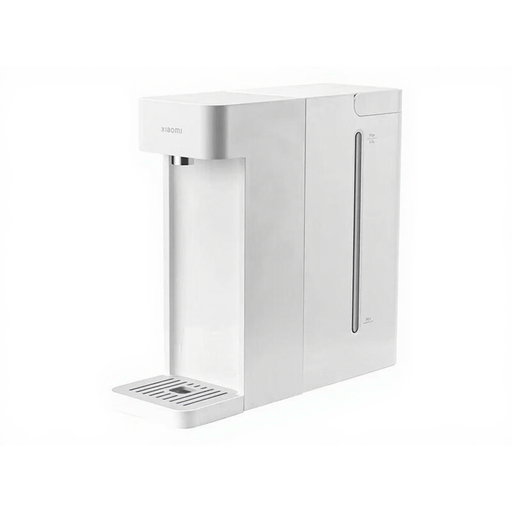
The Joybuy products shown are hot water dispensers and countertop models with a reservoir; check the flask height, dispensing volume and applicable safety documentation for each appliance.
 No image available
Could suit anyone looking to fill a small thermos flask or dispense a smaller amount.
The product information lists a continuous dispensing setting of up to 500 ml per use and a portion of around 200 ml.
 No image available
Could suit anyone who wants to dispense a set amount and choose from several temperature settings.
The product name specifies a 3-litre reservoir and six temperature settings.
 No image available
Could suit anyone looking for a countertop model and wanting to compare preset temperature settings.
The product name specifies a 3-litre reservoir and four temperature settings.
 No image available
Could suit anyone who wants to dispense cold water as well as hot.
The product name specifies a 3-litre reservoir, two modes and five temperature settings.
 No image available
Could suit anyone looking to compare a countertop model with water filtration and temperature options.
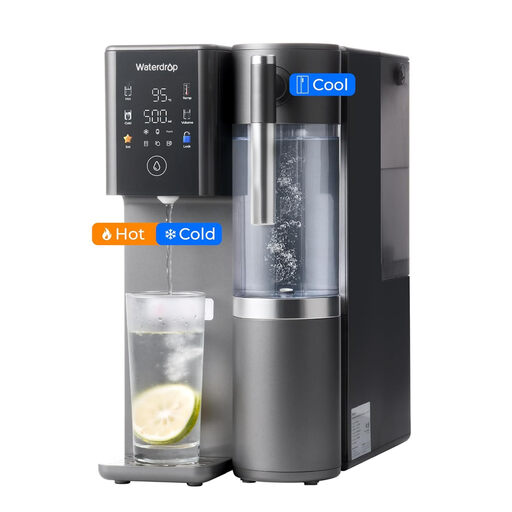
The product name describes a reverse osmosis system with a portable water tank and six temperature settings. Check that the listed features suit your intended use.
No. Also check the clearance under the spout and the amount dispensed each time. Nedis says the KAWD310FBK can accommodate containers up to 16 cm high; for the KAWD100FBK, Nedis specifies a maximum of 500 ml per continuous dispense.
For a freestanding appliance, follow the manual and agree who will refill and maintain it. The Inventum manual specifies an earthed socket and a sturdy, level, heat-resistant surface for this model, and warns about hot surfaces and steam. For a commercial dispenser, check the installation and service terms first.
Check the instructions for filters and descaling, and review any service arrangements. Inventum says the filter for the HWD725B should be replaced around three times a year; this guidance applies to that model and doesn’t automatically apply to other dispensers.
According to the Netherlands Food and Consumer Product Safety Authority, CE marking is required for electrical products that fall within the applicable requirements. Check the marking and documentation for the exact appliance; CE marking doesn’t automatically mean that an independent product assessment has been carried out.
No. Don’t assume they do just because there’s a dispenser. According to the Human Environment and Transport Inspectorate, requirements differ for priority and non-priority establishments; the owner or manager must assess which situation applies.