Buying priorities
Start by working out how many cups will be needed during the busiest 15 minutes, then decide whether a freestanding dispenser or a fixed installation is right for you. Dispensing options, controls and maintenance can then help you compare models within that category.
Freestanding dispenser for individual cups
A good fit if: you mainly make individual cups and don’t want to use a mains water connection. Compare the portion sizes with your mug and the preparation instructions for your cocoa mix.
The trade-off: the reservoir needs refilling, and parts or filters may need maintenance. The specifications for an individual model don’t prove that it can handle a busy peak without a queue.
Professional dispenser with a water connection
A good fit if: lots of colleagues will be dispensing water one after another and a suitable connection is available. Culligan Nederland advises taking demand during the busiest 15 minutes into account.
The trade-off: the stated hourly capacity isn’t the same as a measured waiting time in a queue; installation, space and maintenance matter too. Bravilor Bonamat quotes automatic water supply and a capacity of 30 l per hour for the HWA 14.
Integrated boiling-water tap
A good fit if: you’re fitting out a permanent office kitchen and having a tap ready to use matters more than being able to move it. Consider the tap, under-sink unit and controls as one system.
The trade-off: you’ll need space for the installation. Milieu Centraal points out that a boiler uses electricity to keep water hot, so having hot water ready to use isn’t automatically the most energy-efficient option.
Small kettle
A good fit if: you only make one or two cups occasionally and don’t mind waiting. For this amount, Milieu Centraal recommends a small kettle that can heat small quantities of water.
The trade-off: when several people use it in succession, it needs to be refilled, heated and poured each time.
| What to consider |
What to look for |
Who is this important to? |
| Accurately dispensing one cup |
Compare the adjustable amount with your mug and the preparation instructions for the mix. Philips lists portions including 150, 250 and 300 ml; according to Nedis, the Nedis KAWD100FBK has a button for approximately 200 ml. |
When I make one mug, I don’t want to dispense more water than I need, and the portion needs to suit my mug. Around 31% of consumers mainly want a simple way to dispense one cup. |
| Capacity during the break |
Count the cups needed during the busiest 15 minutes and ask about the reserve capacity and recovery time after dispensing. Bravilor Bonamat quotes a capacity of 30 l per hour for the HWA 14. |
When several colleagues take a break at the same time, I want to know whether cups can be dispensed one after another without delay; a large reservoir alone doesn’t tell me that. Around 25% of consumers mainly need peak capacity. |
| Safe, straightforward dispensing |
Check the controls, where the mug and drip tray sit, and the safety features of the specific model. Nedis lists a child lock and boil-dry and overheat protection for the KAWD310FBK; the Inventum manual warns about hot surfaces and steam. |
In a shared office kitchen, I want colleagues to understand how to use the dispenser and be able to place their mug securely under the spout. Around 25% of consumers prioritise safe, straightforward controls. |
| Cleaning, filters and energy |
Agree who will clean the reservoir and drip tray, check filter maintenance requirements, and compare energy use on the same basis. Inventum recommends replacing the HWD725B filter approximately three times a year; a water filter is optional for the Nedis KAWD100FBK. |
When I share an appliance with colleagues, I want to know who is responsible for maintenance and what regular tasks are involved. Around 19% of consumers consider maintenance and energy use during operation most important. |
Products at Joybuy
These Joybuy products are freestanding or countertop models for water and hot drinks. Compare the model name and listed specifications with the quantity, temperature and preparation method you need for cocoa.
 No image available
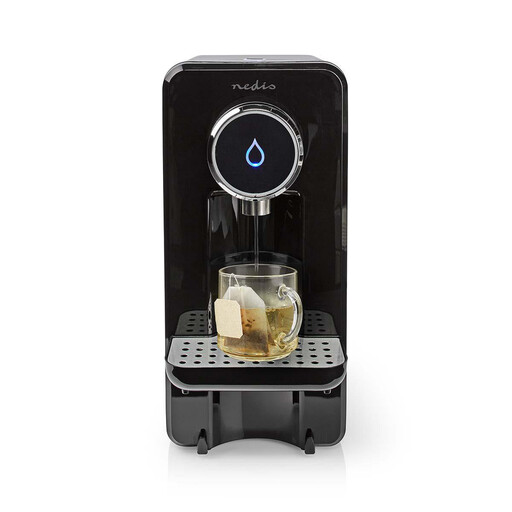
Nedis hot water dispenser 2600W 2.5 l black
The product description lists a portion of approximately 200 ml and continuous dispensing of up to 500 ml, making it easy to compare with the capacity of your mug. The manual lists offices as a possible place to use the appliance, but also says it isn’t intended for professional use.
The product name lists 2600W and a capacity of 2.5 l.
View at Joybuy
 No image available
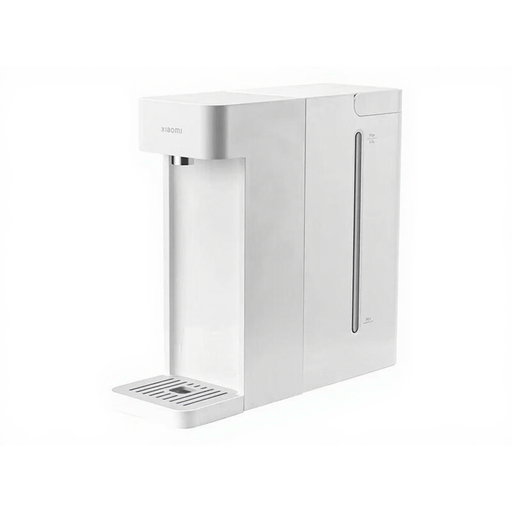
Xiaomi Instant Hot Water Dispenser S1
A freestanding model worth comparing if you want to adjust the portion and temperature to suit your mug and cocoa mix as you dispense water.
The product name lists a capacity of 3 l and four temperature settings.
View at Joybuy
 No image available
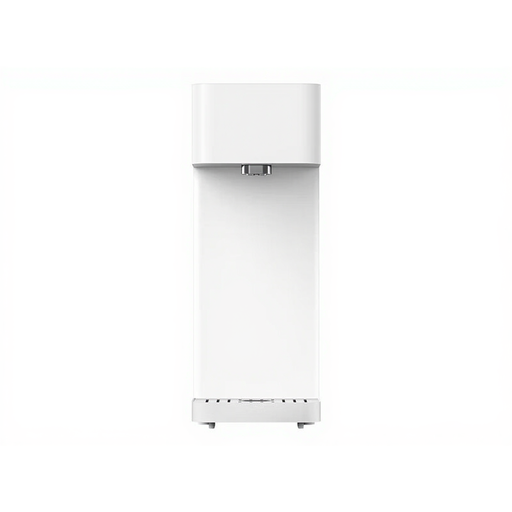
Xiaomi Smart Hot & Cold Water Dispenser
This model may be worth considering if you want cold water as well as hot. Check whether the extra feature suits how the office kitchen will be used.
The product name lists a capacity of 3 l and five temperature settings.
View at Joybuy
 No image available
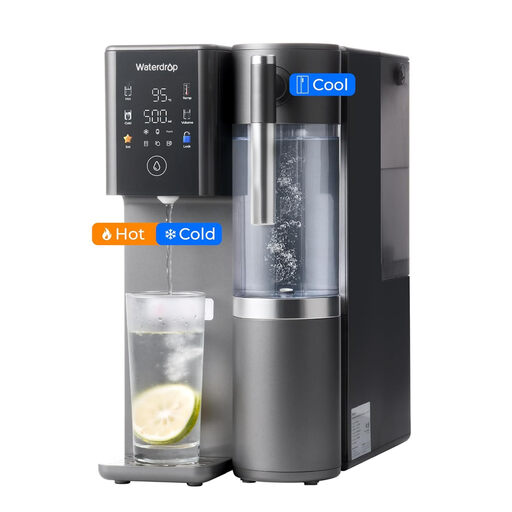
Waterdrop WD-A2 countertop reverse osmosis system
This model may be worth considering if you’re looking for a countertop setup with reverse osmosis. Check that the water treatment and the way you plan to prepare cocoa are suitable for the version you choose.
The product name lists six temperature settings.
View at Joybuy
 No image available
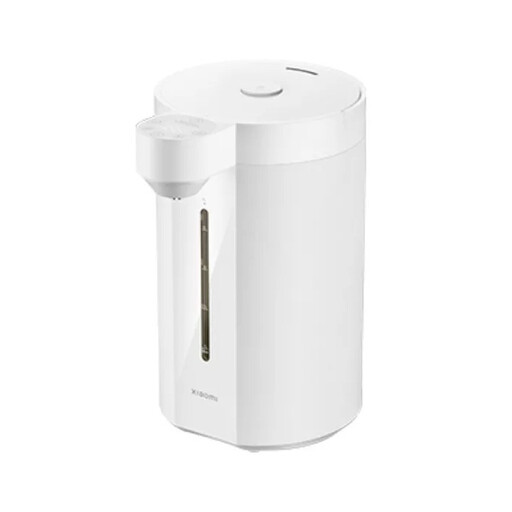
Xiaomi Smart Electric Hot Water Dispenser 5L
A freestanding model worth comparing if you’re looking for a larger stated capacity. Capacity alone doesn’t tell you how many cups can be dispensed one after another during a short peak.
The product name lists 5L.
View at Joybuy
Frequently asked questions
Can I put milk or cocoa powder in the water reservoir?
No. Only put water in the Inventum HWD725B; the manual says not to use other liquids. Mix a suitable cocoa mix in your mug according to the pack instructions. For cocoa made with warm milk, you’ll need a separate way to heat the milk.
What should I consider when positioning and cleaning it?
The Inventum HWD725B manual calls for a sturdy, level, heat-resistant surface and warns about hot surfaces and steam. Check how to clean the reservoir, drip tray and any filter for each model, and agree who will carry out maintenance in the shared office kitchen.
Is a boiling-water tap automatically more energy-efficient than a kettle?
No, not simply because of the type of appliance. Milieu Centraal highlights the electricity used to keep water hot in a boiler. A comparison also depends on factors such as insulation and how much water is actually used. If you only make the occasional cup, don’t heat more water than you need.
Do consumer rights apply if the office buys the appliance?
Not necessarily. ACM ConsuWijzer distinguishes between a contract used mainly for private purposes and one used mainly or exclusively for business; consumer protection doesn’t apply in the latter case. Before placing a business order, check the agreed warranty and service terms.
Do the mandatory legionella measures for priority premises apply to an ordinary office kitchen?
Not simply because it’s in an office. According to the Dutch government, the measures mentioned for priority premises don’t apply to ordinary offices. If the office kitchen is part of a priority premises, the person responsible for the building must assess the situation separately.


