
One cup at a time
You make one cup of instant coffee at different times and want to dispense the water straight into your mug. Pay particular attention to the smallest dispensing setting.


If you regularly make one cup of instant coffee and want to dispense water straight into your mug, compare a standalone hot water dispenser with your mug size and the space available. For the occasional cup of coffee, a small kettle that can heat a small amount of water may be simpler. Milieu Centraal emphasises that, when it comes to energy use, it’s important not to heat more water than you need. There’s no clear-cut, evidence-based energy-saving winner between these standalone appliances.
You make one cup of instant coffee at different times and want to dispense the water straight into your mug. Pay particular attention to the smallest dispensing setting.
You take the appliance with you or place it on a small worktop. Its dimensions and whether the power supply is suitable are important considerations.
You make several cups in a row and want to know how often you’ll need to refill the appliance and how much cleaning it requires.
A good fit if: you regularly make one cup at a time and want to dispense the water straight into a mug.
Things to consider: the reservoir, spout and any filter need looking after. Also check the space available and the appliance’s power requirements.
A good fit if: you only make coffee occasionally or would prefer a simpler standalone appliance.
Things to consider: you’ll need to pour the water yourself. Check whether the kettle can heat a small amount of water.
A good fit if: the holiday cottage already has one, or you’re choosing a permanent installation yourself.
Things to consider: a tap that keeps water hot uses electricity on standby. It’s not an obvious replacement for a portable appliance.
| What to consider | What should you check? | Who should pay particular attention? |
|---|---|---|
| Amount per cup | Compare the smallest dispensing setting with your mug. For a kettle, also check the minimum amount of water it can heat. | If I’m making one cup of instant coffee, I don’t want to use more water than I need. Around 36% of consumers prioritise dispensing one cup at a time. |
| Space and power | Measure the available space and check the rating plate, power connection and CE marking on the version being offered. The NVWA states that CE marking is compulsory for electrical products. | If the worktop is small or the power supply is limited, I want to know first whether the appliance is practical to use there and meets the applicable requirements. Around 29% of consumers focus on how well an appliance fits their space. |
| Reservoir and refilling | Compare the reservoir capacity with the number of cups you want to make in a row and the space the appliance takes up. | If I’m making coffee for several guests, I want to refill less often without using up unnecessary worktop space. Around 21% of consumers prioritise use by several guests. |
| Cleaning and filters | Check how to clean the reservoir and spout, and whether the filter needs replacing. A filter doesn’t automatically mean you can skip descaling. | If I only use the appliance on holiday, I want to know how much cleaning it requires and whether replacement filters are needed. Around 14% of consumers focus on maintenance. |
Whether you save energy partly depends on how much water you would otherwise heat unnecessarily. Milieu Centraal emphasises that this matters more than the appliance category itself.
Compare the amount of water you need per cup, and don’t assume a manufacturer’s claim will necessarily apply to the way you use the appliance in your holiday cottage.
A large reservoir can be handy when you’re making coffee for several guests, but the smallest dispensing setting also affects whether you can fill a single mug directly.
Check the reservoir capacity, the smallest dispensing amount and the appliance’s dimensions.
Limescale and any replacement filters need attention. Milieu Centraal recommends descaling hot water appliances regularly.
Read the maintenance instructions and check whether suitable replacement filters are available.
Replacement filters can be an ongoing cost, so check whether suitable filters are available for the model.
These brands offer product ranges with hot water settings. The features listed apply to the specific models, not every product from the brand.
DOMO describes the DO524WK as a standalone dispenser with adjustable temperature and dispensing settings, also designed for instant coffee.
CASO says its HW 660 model has several temperature settings and preset portions for hot drinks.
Philips says the ADD5910M/10 model combines instant heating with temperature and volume settings.
This selection includes standalone hot water dispensers for cups of instant coffee, as well as a small kettle for anyone who needs hot water less often.
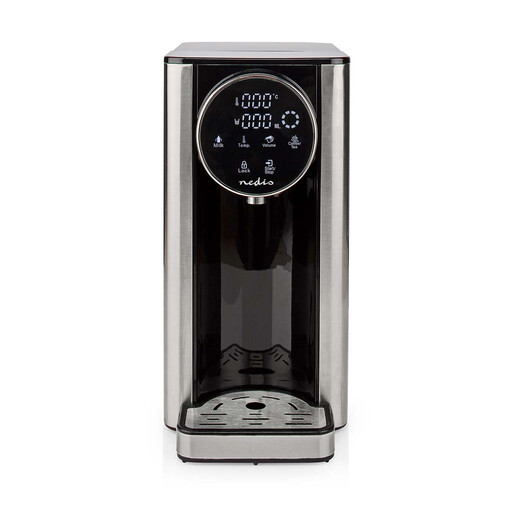 No image available
A standalone dispenser for anyone who wants to dispense hot water straight into a cup.
The product name lists 2600 W, a capacity of 2,7 l and an aluminium/black finish. The description states that it’s for indoor and domestic use only.
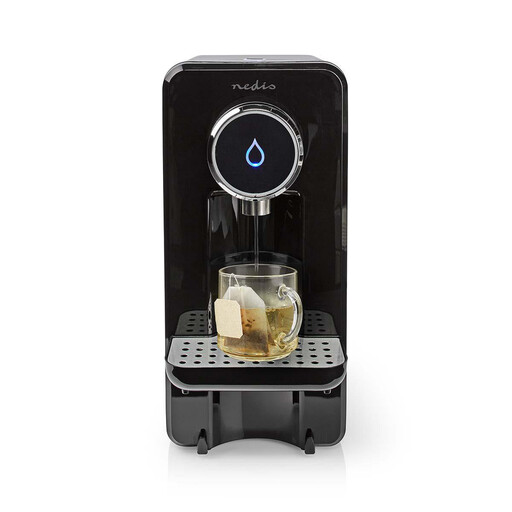 No image available
A standalone dispenser to compare if you want to dispense hot water one cup at a time.
The product name lists 2600 W and a 2,5-litre reservoir. Continuous dispensing is limited to a maximum of 500 ml per use.
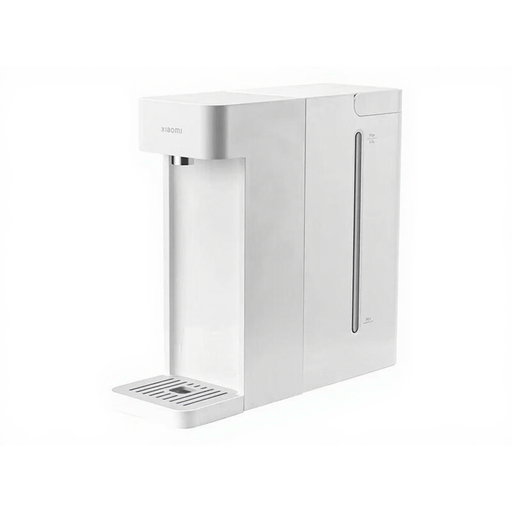 No image available
A standalone dispenser for anyone who wants to dispense hot water straight into a cup.
Check the temperature and volume settings against the amount of water you need for your own mug.
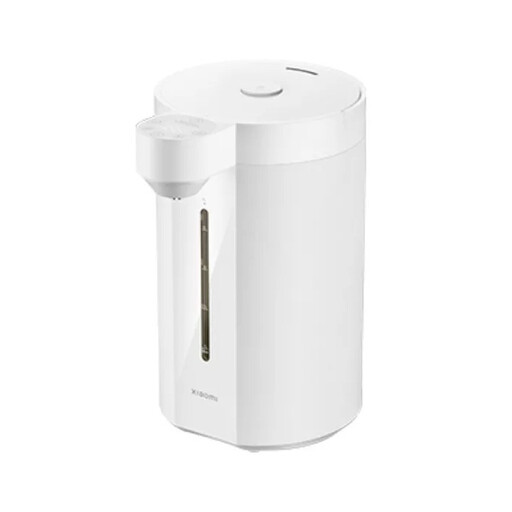 No image available
A standalone dispenser to consider if you want to make several cups in a row.
The product name lists a capacity of 5 l. Check that the available space and power supply are suitable for the appliance.
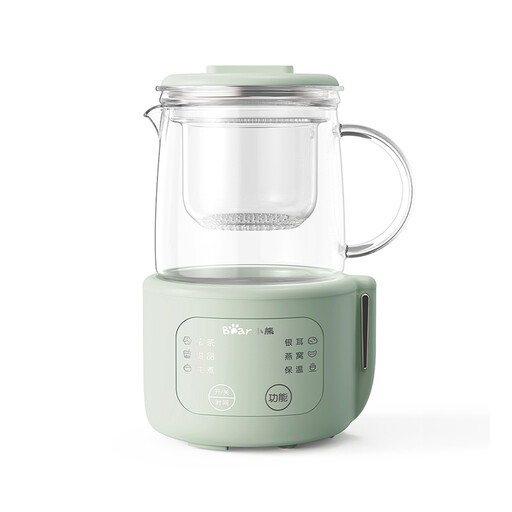 No image available
An alternative to compare if you only heat water occasionally and prefer to pour it yourself.
The product description notes that the glass parts need to be handled with care.
If you want to dispense the water straight into your cup, compare the dispenser’s smallest setting with your mug. For the occasional hot drink, a small kettle that heats a small amount of water may be simpler. There’s no clear-cut, evidence-based energy-saving winner between these standalone appliances.
Vitens recommends flushing the taps at your holiday accommodation, especially if you think the water may have been standing for a while. This is advice about drinking water hygiene, not a product specification or a legal requirement for a dispenser.
According to ACM ConsuWijzer, the seller is responsible for the statutory guarantee if a product doesn’t meet what you could reasonably expect when used normally. Online purchases also usually come with a cooling-off period that ends 14 days after delivery. Check the applicable exceptions and returns policy.
Yes. The Netherlands Food and Consumer Product Safety Authority states that electrical products must carry a CE marking. Check the marking on the version actually being offered; a reference to a different model or item isn’t sufficient.