
Vandaag of morgen in huis

Kwaliteit gegarandeerd
Download de app
Categorieën

Planning a hot pot night is always a joy, but finding the right meat can be a challenge. You might know the feeling: you're at the butcher, trying to explain that you need paper-thin slices of beef, only to end up with cuts too thick for an authentic Chinese hot pot. The right hot pot meat is essential to the experience: it cooks in seconds in the hot broth, absorbing all the flavours. In this article, we'll discuss the selection criteria for quality hot pot meat and highlight a few specific products from our collection.
When selecting meat for hot pot or shabu-shabu, a few objective characteristics determine its quality and suitability.
The thickness of the slices is crucial. For hot pot, a thickness of 1-2 millimetres is ideal. Such thin slices cook almost instantly in the broth, ensuring they remain tender. Thicker meat takes longer to cook, quickly becomes tough, and lacks the delicate texture that defines this dish. Pre-sliced and frozen meat, often available from an online Asian supermarket, guarantees this consistent, thin cut.
Not every cut of beef is equally suitable. Cuts with good marbling (intramuscular fat) are popular because the fat melts during cooking, adding extra flavour and tenderness.
Meat intended specifically for hot pot is often frozen immediately after slicing. This process, known as flash freezing, optimally preserves the meat's texture and freshness. Pay attention to the expiration date and ensure the packaging is intact to prevent freezer burn.
Below is a selection of products from our range that are suitable for hot pot, based on their specifications.
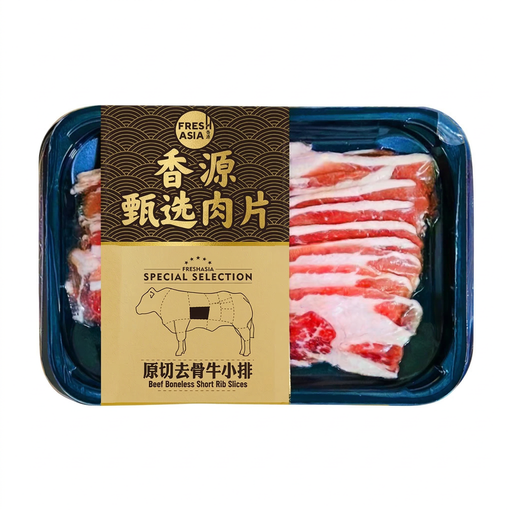
Why We Chose It: These pre-sliced, boneless short rib slices are specifically designed for quick cooking methods like hot pot or barbecue. According to the manufacturer FRESHASIA, the whole-cut process ensures the meat's texture remains intact. The even marbling contributes to a tender and juicy experience.
Benefits:
Who It's For: This product is perfect for those who want convenience and a rich, buttery meat flavour in their hot pot. If you're considering buying beef short ribs for a quick meal, this is a practical choice.
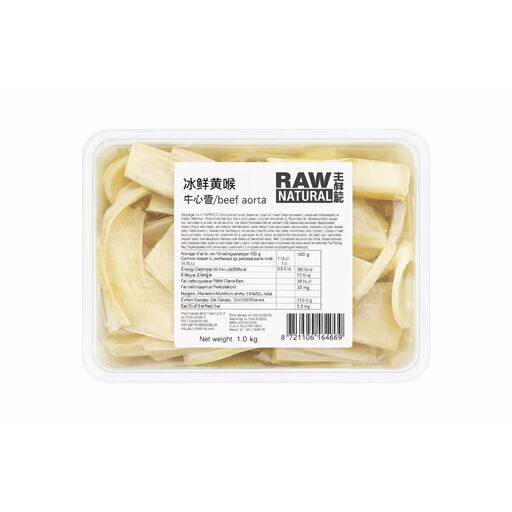
Why We Chose It: Beef aorta, also known as yellow throat, is a classic ingredient in Sichuan-style hot pot. It is renowned for its unique texture: crunchy and springy, even after cooking. This product consists of 100% beef aorta with no additives.
Benefits:
Who It's For: This is a product for the adventurous eater and lovers of authentic Chinese cuisine who appreciate textural variety in their hot pot.
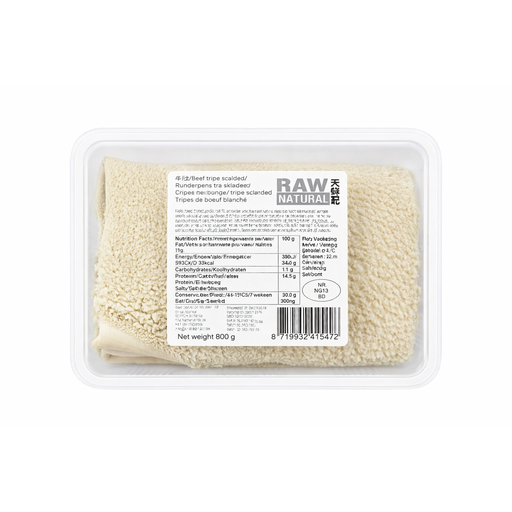
Why We Chose It: This scalded beef tripe has a characteristic honeycomb structure. This texture is exceptionally good at absorbing the flavours of the broth. The fact that the tripe is already blanched significantly reduces preparation time.
Benefits:
Who It's For: For consumers buying beef tripe for a traditional hot pot. It's an excellent choice for those who appreciate the deep, complex flavours and textures of offal.
The world of hot pot ingredients is vast and diverse. Besides the beef products mentioned, there are countless other possibilities, such as thinly sliced lamb, pork, fish balls, and a wide array of vegetables and tofu. Each addition brings its own flavour and texture to the pot.
For a broader overview of our selection, you can browse our main category for raw meat. Here you will find various types of meat that can complete your next hot pot meal.
In practice, there is little to no difference. Both terms refer to very thinly sliced meat intended for brief cooking in hot broth. Shabu-shabu meat is the Japanese term and is often associated with high-quality beef, whereas hot pot is a broader Chinese term that can include all kinds of meat, seafood, and vegetables. The required slice thickness is identical for both.
This is not recommended. Steak from the supermarket or butcher is typically far too thick (1-2 cm) for hot pot. If you put this in the broth, it will take too long to cook, and the meat will become tough and dry. The essence of hot pot is the rapid cooking of paper-thin slices.
Frozen hot pot meat should be stored in the freezer at a temperature of -18°C or lower, until the expiration date on the package. Once thawed, it is advised not to refreeze the meat. Store thawed meat in the refrigerator and consume it within the period indicated on the packaging.
Joybuy Product Recommendation Officer